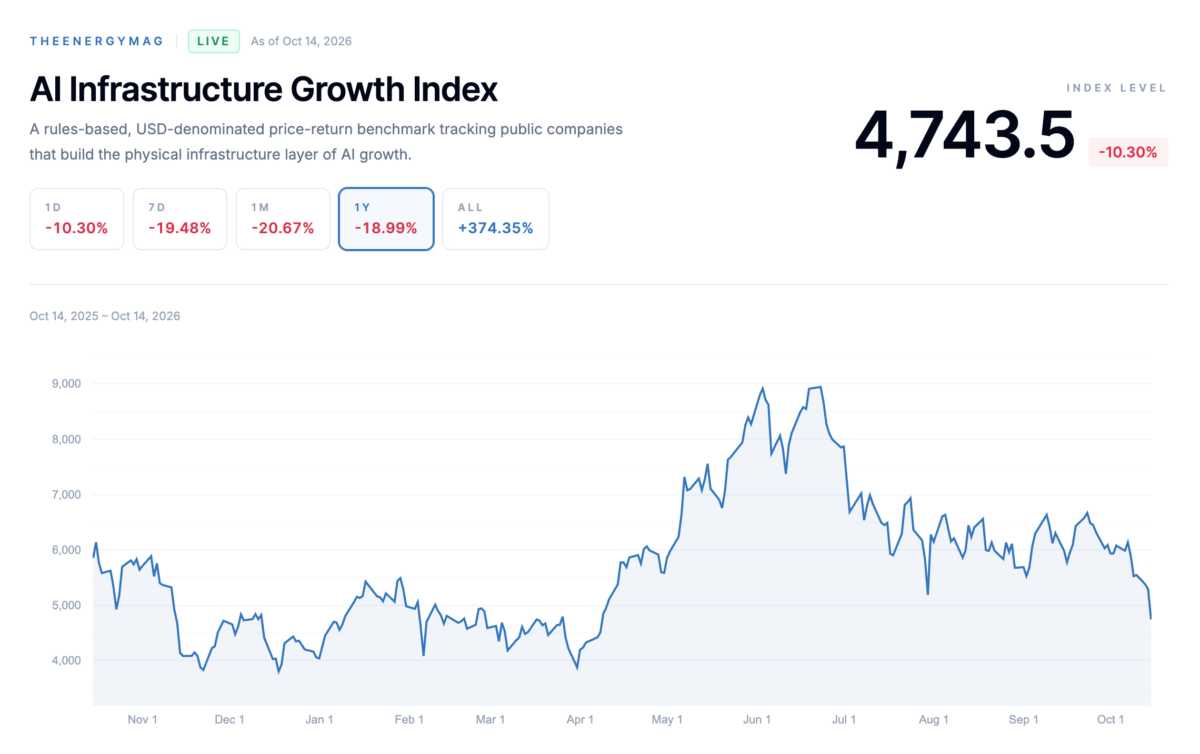
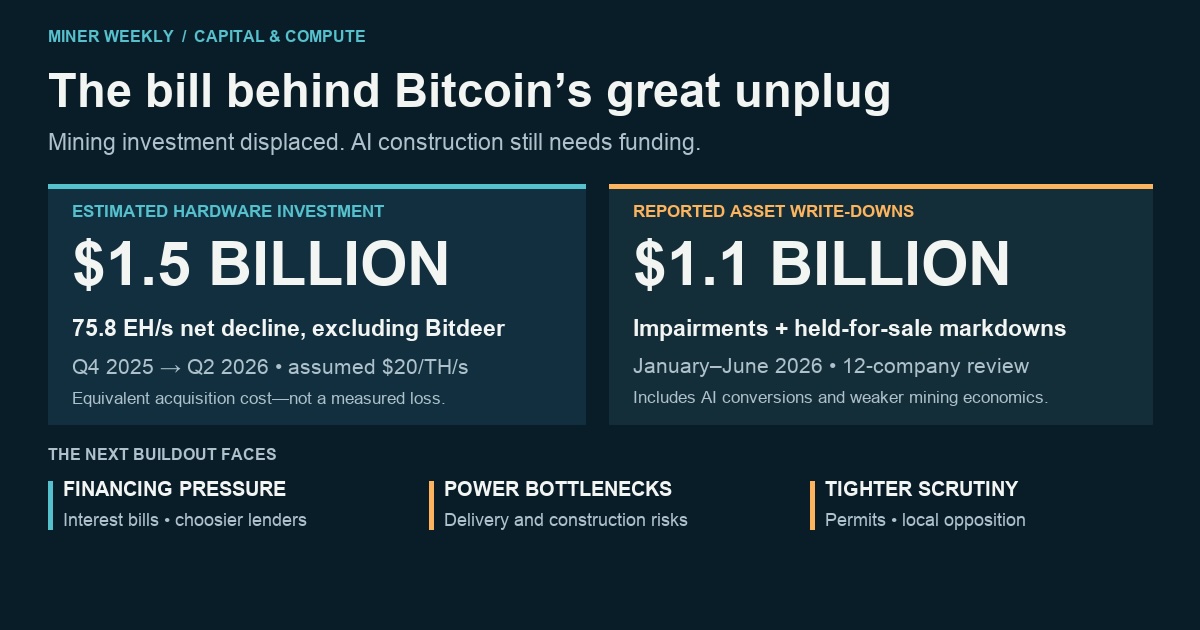
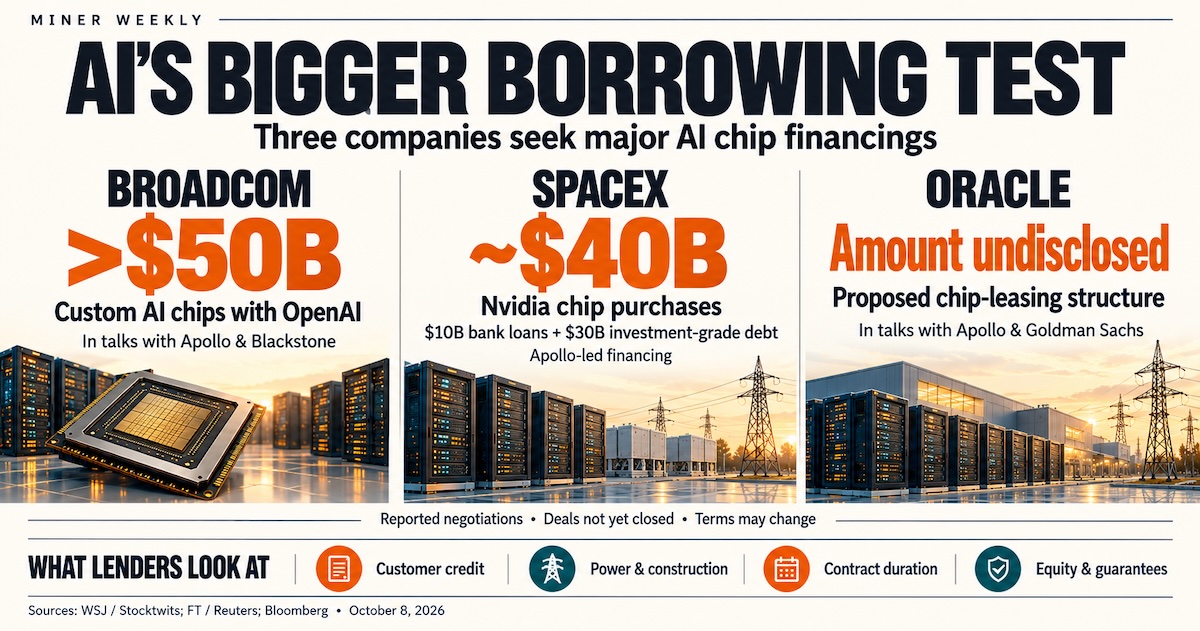
Across recent annual filings, major utilities and power producers describe what amounts to a nuclear renaissance, fueled by long-term power contracts with hyperscalers such as Microsoft, Amazon and Meta. These companies are no longer simply purchasing renewable energy credits to offset emissions. They are underwriting entire nuclear facilities to secure carbon-free power that runs around the clock.
The reason is simple: AI infrastructure doesn’t sleep. Training clusters and high-performance computing facilities operate continuously, requiring massive quantities of reliable electricity that intermittent sources like wind and solar cannot guarantee on their own.
Nuclear plants, once considered uneconomic relics, suddenly look like strategic infrastructure.
Hyperscalers Step In as Nuclear Backers
The clearest signal of the shift is the emergence of long-term nuclear power purchase agreements (PPAs) with technology companies acting as anchor customers.
Microsoft signed a 20-year deal with Constellation Energy (NASDAQ: CEG) to support the restart of the former Three Mile Island Unit 1 reactor in Pennsylvania. The plant, retired in 2019 for economic reasons, is being revived as the Crane Clean Energy Center and will deliver roughly 835 megawatts of carbon-free power once operational.
Amazon’s cloud unit AWS struck a similar 20-year agreement with Vistra (NYSE: VST) Corp for electricity from the Comanche Peak nuclear plant in Texas, securing about 1,200 megawatts of generation.
Meta has gone even further. The company signed a 20-year agreement with Vistra covering more than 2,600 megawatts of nuclear output across several plants in the PJM grid. It also reached a separate deal with Constellation Energy to purchase the output from the Clinton Clean Energy Center in Illinois.
These agreements effectively turn hyperscalers into long-term underwriters of nuclear generation — guaranteeing revenue streams that allow operators to maintain, upgrade or even restart reactors that might otherwise shut down.
An Early Signal From Bitcoin Mining
Before hyperscalers began underwriting nuclear plants for AI infrastructure, Bitcoin miners had already begun experimenting with colocating compute directly next to large power assets.
One of the clearest examples is in Pennsylvania, where Talen Energy operates the Susquehanna nuclear power plant. In 2021, Bitcoin miner TeraWulf (NASDAQ: WULF) formed a joint venture with Talen called Nautilus Cryptomine to build a large-scale mining facility directly adjacent to the plant.
The project allowed the mining operation to draw electricity directly from the nuclear facility behind the meter, bypassing the wholesale market and securing extremely low-cost power. TeraWulf described Nautilus as the first U.S. Bitcoin mining operation powered entirely by nuclear energy.
The arrangement demonstrated a concept that has since become central to the AI data-center buildout: colocating energy-intensive computing loads directly with large baseload generation assets.
That experiment later evolved into something much larger. In 2024, Talen repurchased TeraWulf’s stake in the Nautilus venture and shifted its strategy toward supplying power to hyperscale data centers. The company sold its adjacent Cumulus data center campus to Amazon Web Services for $650 million, enabling AWS to develop a large campus connected to the Susquehanna plant.
The progression illustrates how prime power-adjacent sites are being repriced in the AI era. Locations once used for Bitcoin mining are now becoming anchor points for hyperscaler data infrastructure.
Retired Reactors Return to the Grid
The new economics are already reversing retirement decisions.
Constellation’s restart of the Crane Clean Energy Center marks one of the most visible examples. The project is supported by a 20-year Microsoft contract and backed by a U.S. Department of Energy loan guarantee of up to $1 billion from the Federal Financing Bank. The loan carries a 30-year term maturing in 2055 with interest set just 37.5 basis points above U.S. Treasury rates.
Another example is the Duane Arnold Energy Center in Iowa. NextEra Energy (NYSE: NEE) Resources is pursuing the recommissioning of the plant, which shut down in 2020. The company has secured a 25-year power purchase agreement for the facility’s full capacity and submitted an application to the Nuclear Regulatory Commission to reinstate the operating license.
If approved, the reactor could return to service as early as 2029.
Even as companies pursue restarts, they are also extending the lifespan of existing facilities. Dominion Energy (NYSE: D) has received approvals to operate its Surry and North Anna reactors for up to 80 years, while Vistra secured a license extension for its Perry plant through 2046.
Turning Old Reactors Into Bigger Ones
Utilities are also squeezing more capacity out of existing reactors through what the industry calls “uprates.”
These are engineering upgrades that increase a plant’s electricity output without building an entirely new reactor.
Vistra plans to add about 433 megawatts of additional capacity across three plants — Perry, Davis-Besse and Beaver Valley — largely to meet commitments under its long-term agreement with Meta.
Constellation is pursuing a smaller expansion at the Clinton facility, adding about 30 megawatts of additional output as part of its supply arrangement with the social media company.
While incremental, these upgrades highlight a broader shift: existing nuclear assets are increasingly being treated as expandable infrastructure for the data economy.
The Grid Problem AI Created
The surge in nuclear investment ultimately reflects a deeper structural challenge facing power grids.
Utilities across the U.S. are reporting unprecedented electricity demand growth driven largely by data centers.
Dominion Energy, for example, disclosed that data centers now account for roughly 28% of electricity sales in its PJM Dominion zone. Similar demand spikes are emerging in markets such as Texas and the Midwest.
Because hyperscalers increasingly target hourly carbon-free energy — matching clean electricity supply with consumption every hour — nuclear power provides a uniquely valuable resource: reliable, emissions-free generation that operates continuously.
In other words, nuclear power is becoming the backbone of the AI era’s electricity system.
And if the current wave of data center development continues, the industry that once struggled to justify its survival may soon find itself at the center of the world’s fastest-growing energy market.
Hardware and Infrastructure News
- Northern Data Touts 85% GPU Allocation as AI Infrastructure Revenue Jumps
- Cango Unplugs 30% of Bitcoin Hashrate as Hashprice Slump Bites
- Foundry Expands into Zcash Mining Pool as Bitcoin Hashprice Slides
Corporate News
- Greenidge Generation Reports 2025 Preliminary Results, Obtains 100MW Power Approval for Datacenter Expansion
- Cathedra to Merge With Sphere 3D in US-Listed Bitcoin Mining Deal
- Bitfarms Expands Leadership Bench to Support AI HPC Build-Out, US Domiciliation
- OpenAI to Acquire AI Security Startup Promptfoo to Bolster Frontier Platform
- Nebius Names Dan Lawrence to Lead Expansion in the US as Senior Vice President and General Manager for the Americas
- Cadillac Formula 1® Team Joins Forces with Core Scientific (NASDAQ: CORZ) as Official Data Center Partner
Financial News
Feature