
Loading News...
Browse articles classified into editorial sections.
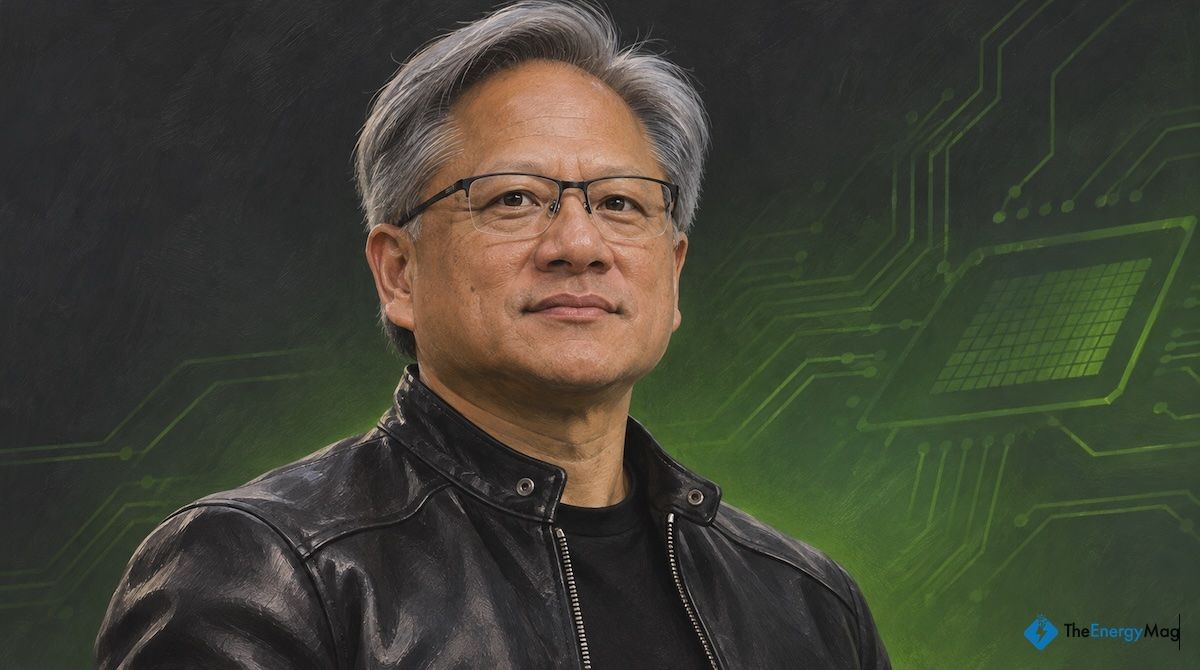
Nvidia co-founder Jensen Huang resigned as president, chief executive officer and a director, effective immediately, ending his leadership of the chipmaker amid a board investigation into whether he was targeted by a foreign intelligence operation.
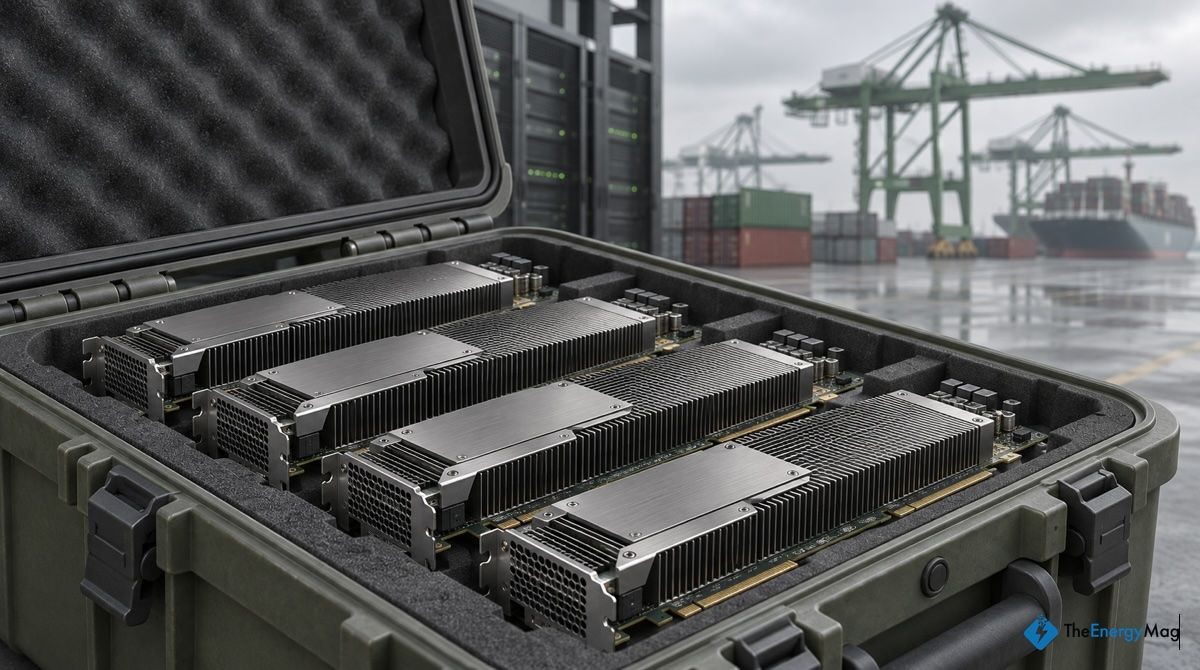
Alice Huang helped secure about $7.5 billion in Nvidia chips for China through a network of companies, including shipments of restricted processors, according to The Information.
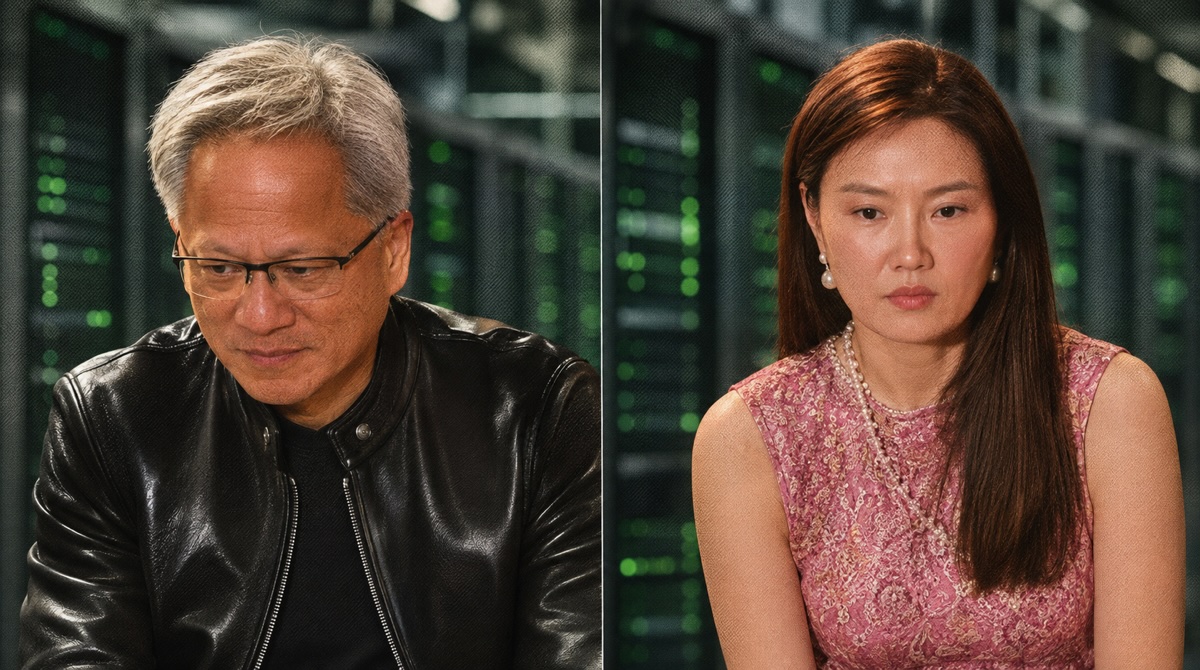
Alice Huang, the businesswoman whom US intelligence reportedly suspects of spying on Nvidia Chief Executive Officer Jensen Huang for China, sought investment for a Southeast Asian data center project by promoting her access to Nvidia processors and her commercial ties to Alibaba, the Financial Times reported.
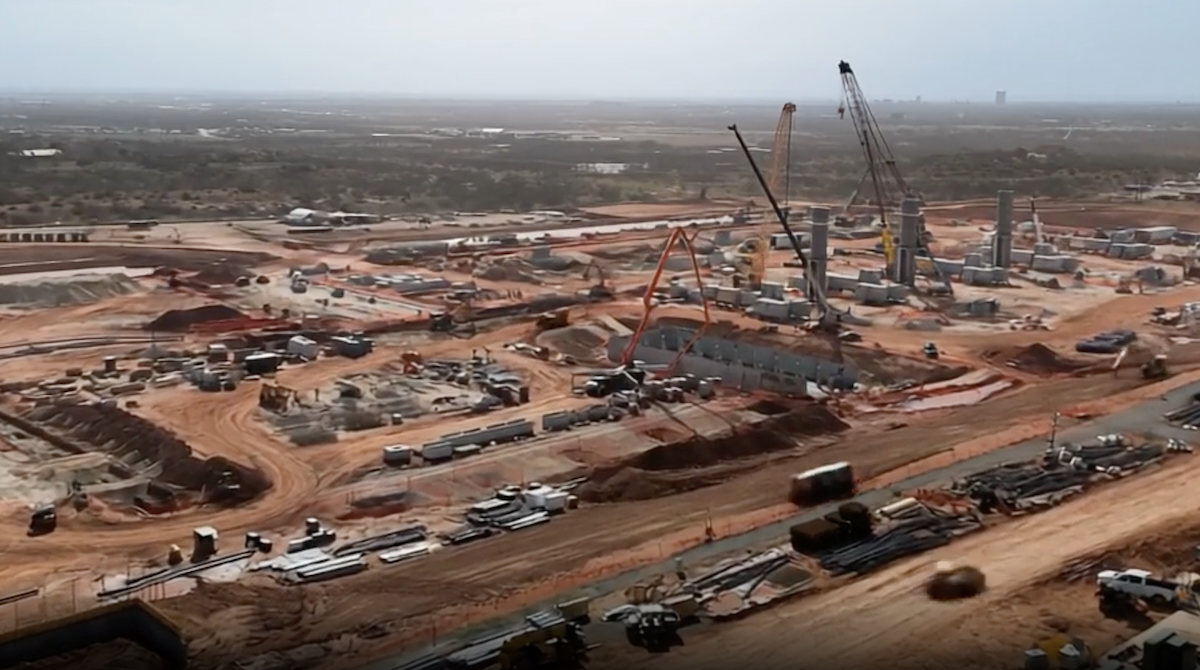
Google has acquired Crusoe’s data-center site in southeast Wyoming, completing the developer’s exit from a project where the Alphabet unit plans a $17 billion investment.
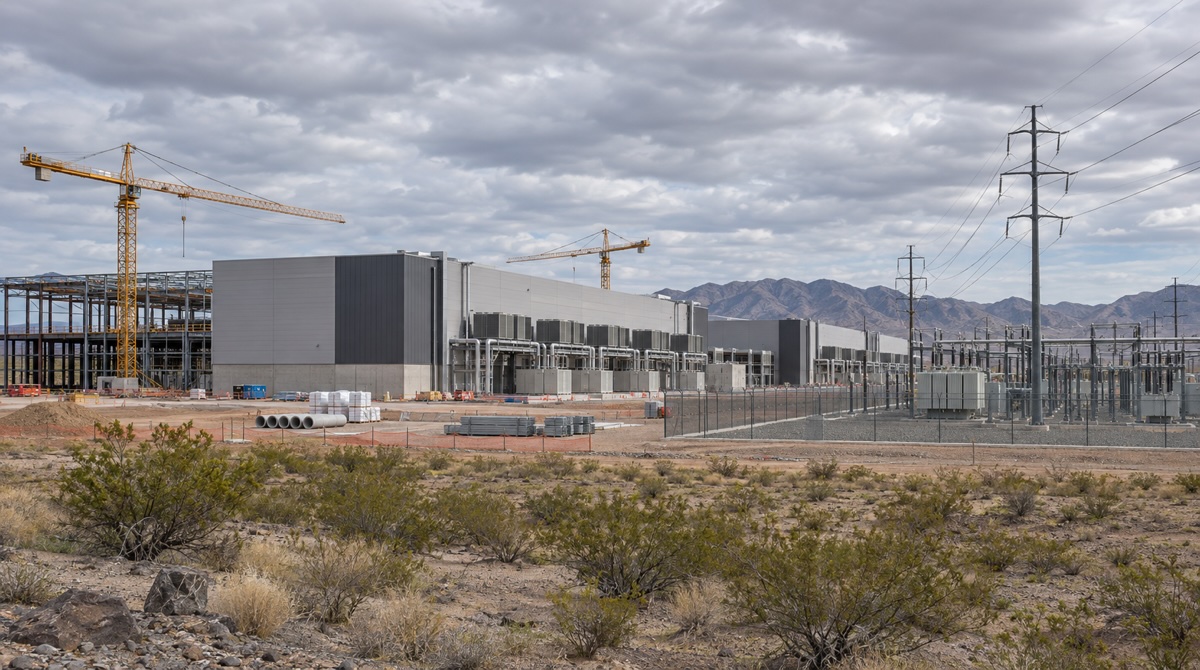
ING is seeking buyers for roughly $500 million of data center loans, including debt tied to the Stargate artificial intelligence infrastructure project, as investors reassess the sector following the US midterm elections, Bloomberg reported.
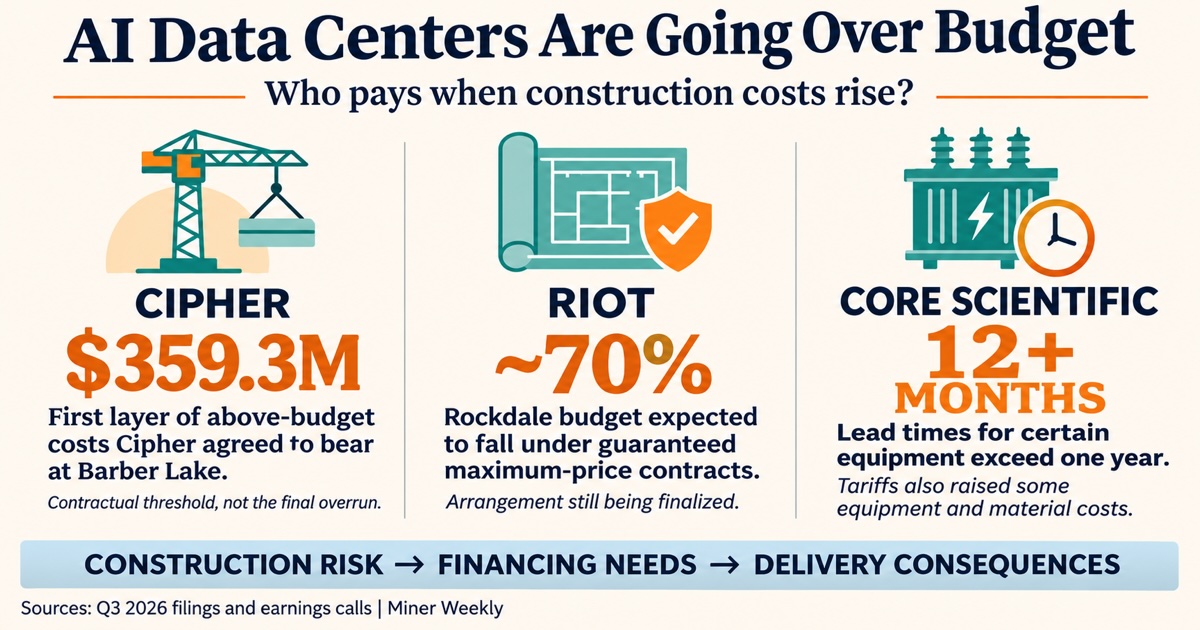
AI data center costs are rising. Cipher, Riot and Hut 8 reveal how construction risks and tighter credit are reshaping the economics of miners’ AI expansion. ...
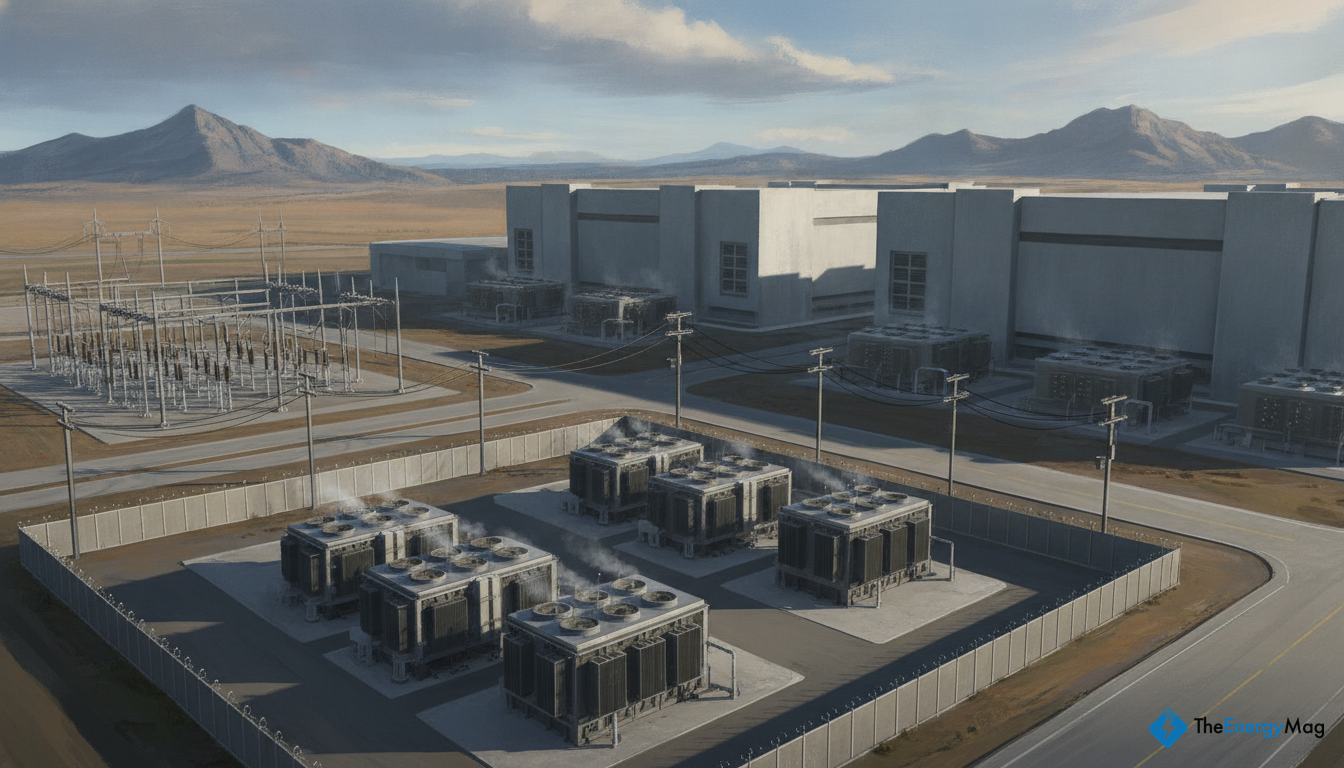
Google parent Alphabet (NASDAQ: GOOGL) has outlined a $17 billion investment in its first Wyoming data center, detailing a power strategy built around natural gas generation, fuel cells and carbon capture technology as investors retreat from AI infrastructure stocks amid concerns about spending and development risks.
Microsoft reportedly will not exercise an option to more than double its computing agreement with Nscale at a Texas data center, forgoing an expansion potentially worth tens of billions of dollars while leaving the existing contract intact.
Nvidia has reportedly told its cloud computing customers to sell at least 51% of their services to non-Chinese companies, potentially narrowing Chinese technology groups’ access to advanced AI computing overseas.