Iowa Bitcoin Miner Pushes Expansion as Cedar Falls Weighs Gas Plant
Iowa is emerging as a new flashpoint in the expansion of Bitcoin mining in the U.S. Midwest, as local officials weigh zoning changes tied to projects proposed by Cedar Falls-based Simple Mining.
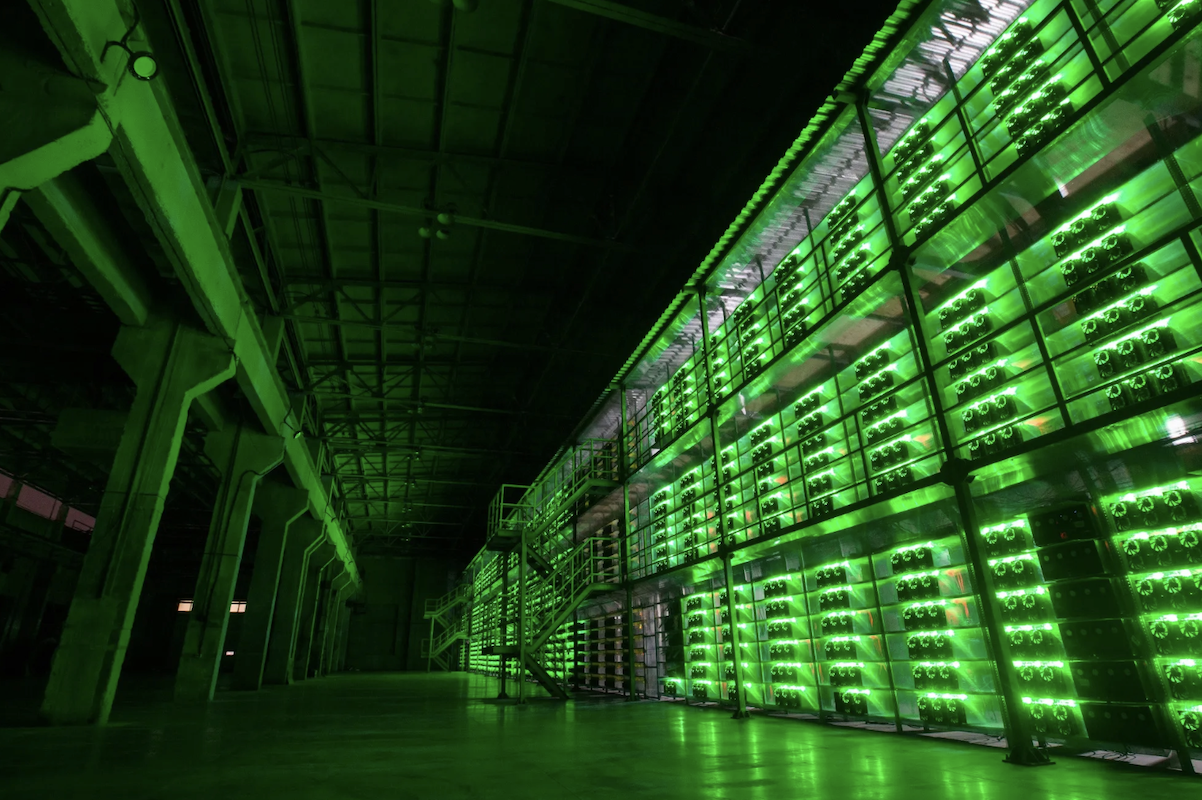
In Dubuque County, the company is planning a relatively modest buildout at the Cascade Industrial Park, where it intends to deploy about 40 containerized mining units across roughly four acres, according to local reports by KCRG-TV on Tuesday.

Each unit would span about 160 square feet and rely on self-contained cooling systems, with developers indicating that sound levels would be capped at roughly the level of a normal conversation at the property boundary.
Local economic development officials have backed the project, framing it as a low-impact industrial use that can fit within existing infrastructure. The site is expected to move through permitting with limited resistance, reflecting a broader trend of smaller, modular mining facilities being sited in rural industrial zones.
But a parallel proposal in Cedar Falls underscores the growing complexity — and scrutiny — facing larger-scale Bitcoin mining developments as power demand becomes central to the debate.
City officials there are also considering rezoning land within an industrial park from light to heavy industrial use to accommodate a proposed natural gas-fired power plant that would support cryptocurrency mining operations. At the same time, the city is reviewing a cryptocurrency-specific zoning code that would introduce requirements for noise mitigation, setbacks, and water management, including a closed-loop recirculating cooling system designed to limit water consumption.
The proposal has drawn opposition from nearby landowners, who have raised concerns about noise, electricity usage and potential environmental impacts, including effects on surrounding ponds and wildlife habitats. One neighbor told KCRG he received notice of the project only days before a scheduled zoning meeting for Wednesday, highlighting tensions over transparency as communities grapple with the rapid arrival of energy-intensive computing facilities.
The twin developments illustrate how Bitcoin mining’s and AI data centers’ next phase of growth in the U.S. is increasingly tied to power strategy rather than just real estate. While earlier deployments often relied on available grid capacity or stranded energy, newer projects are more frequently paired with dedicated generation assets — particularly natural gas — to secure reliable, dispatchable electricity.
That shift is placing mining projects into the same regulatory and political arena as data centers and other large industrial loads, where issues such as grid stability, local environmental impact and community acceptance play a decisive role.