Canada Plans 150 MW AI Data Center Expansion in British Columbia Amid Sovereignty Push

Canada is backing a major new AI data center buildout in British Columbia through a partnership with TELUS, as the country seeks to expand domestic computing capacity and keep AI infrastructure and data on Canadian soil.
The initiative, announced Monday by Canada’s AI minister Evan Solomon alongside TELUS executives in Vancouver, includes an expansion of the company’s existing Kamloops data center and two new facilities in Vancouver, according to a report by CBC News.

The project is part of Ottawa’s “Enabling Large-Scale Sovereign AI Data Centres” initiative and is aimed at increasing what officials described as Canada’s “sovereign compute capacity” for domestic researchers, startups and enterprises.
TELUS said the Kamloops expansion and the first Vancouver facility — located at the former Hootsuite headquarters in the Mount Pleasant neighborhood — are expected to come online later this year. A second Vancouver site at 150 West Georgia Street is targeted for 2029.
The facilities are expected to begin with an 85-megawatt power load and scale to 150 megawatts by 2032, CBC reported.
The announcement comes as governments race to secure AI infrastructure investment amid surging demand for computing power driven by generative AI applications. Canada has increasingly framed local AI compute development as a matter of economic competitiveness and data sovereignty, mirroring similar policy pushes in Europe and parts of Asia.
TELUS CEO Darren Entwistle said the facilities would operate primarily on hydroelectric power and emphasized their environmental profile. According to the company, the data centers will use 98% clean hydroelectricity, recycle waste heat capable of warming up to 150,000 homes, and consume significantly less water than conventional facilities.
The company is also studying the use of recycled water from BC Place as part of its cooling strategy.
The proposal has received backing from the government of British Columbia, which earlier this year introduced a policy framework governing new AI-focused data center development. The province capped a dedicated tranche of power allocation at 400 megawatts over the next two years, prioritizing projects tied to data sovereignty, environmental performance and Indigenous participation.
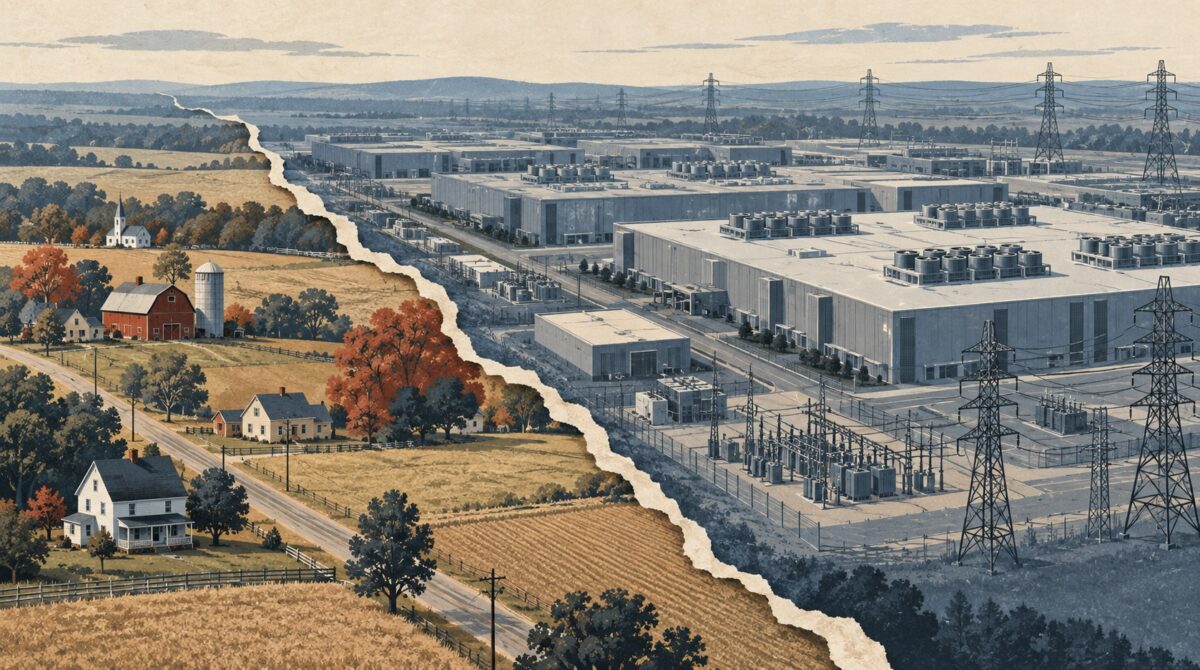
Still, the expansion highlights growing tensions surrounding the rapid buildout of AI infrastructure, particularly over electricity and water consumption.
CBC reported that opposition has already emerged around separate proposed data center developments in Nanaimo, where critics have raised concerns about water use and environmental oversight.
Emily Lowan, leader of the B.C. Green Party, criticized what she described as a “build-first regulate-later” approach and called for a moratorium on new data centers until stricter environmental rules are established, according to CBC.