DMG Plans 50 MW Bitcoin-to-AI Conversion at Christina Lake Site

DMG Blockchain Solutions has signed a non-binding letter of intent to convert part of its bitcoin mining infrastructure in British Columbia into AI data center capacity, the latest example of a mining operator trying to reposition power-heavy assets for higher-value compute demand.
The Vancouver-based company said Monday it plans to offer 50 megawatts of critical IT load for AI colocation services to a single tenant at its Christina Lake facility. The tenant has not been named because it is under a non-disclosure agreement, DMG said.
[article_ad_banner]The proposed agreement would run for an initial 12-year term, with renewal options for as many as three additional five-year periods. DMG said the parties are aiming to deliver the first phase of capacity by Dec. 31, 2026, assuming they reach a definitive agreement.

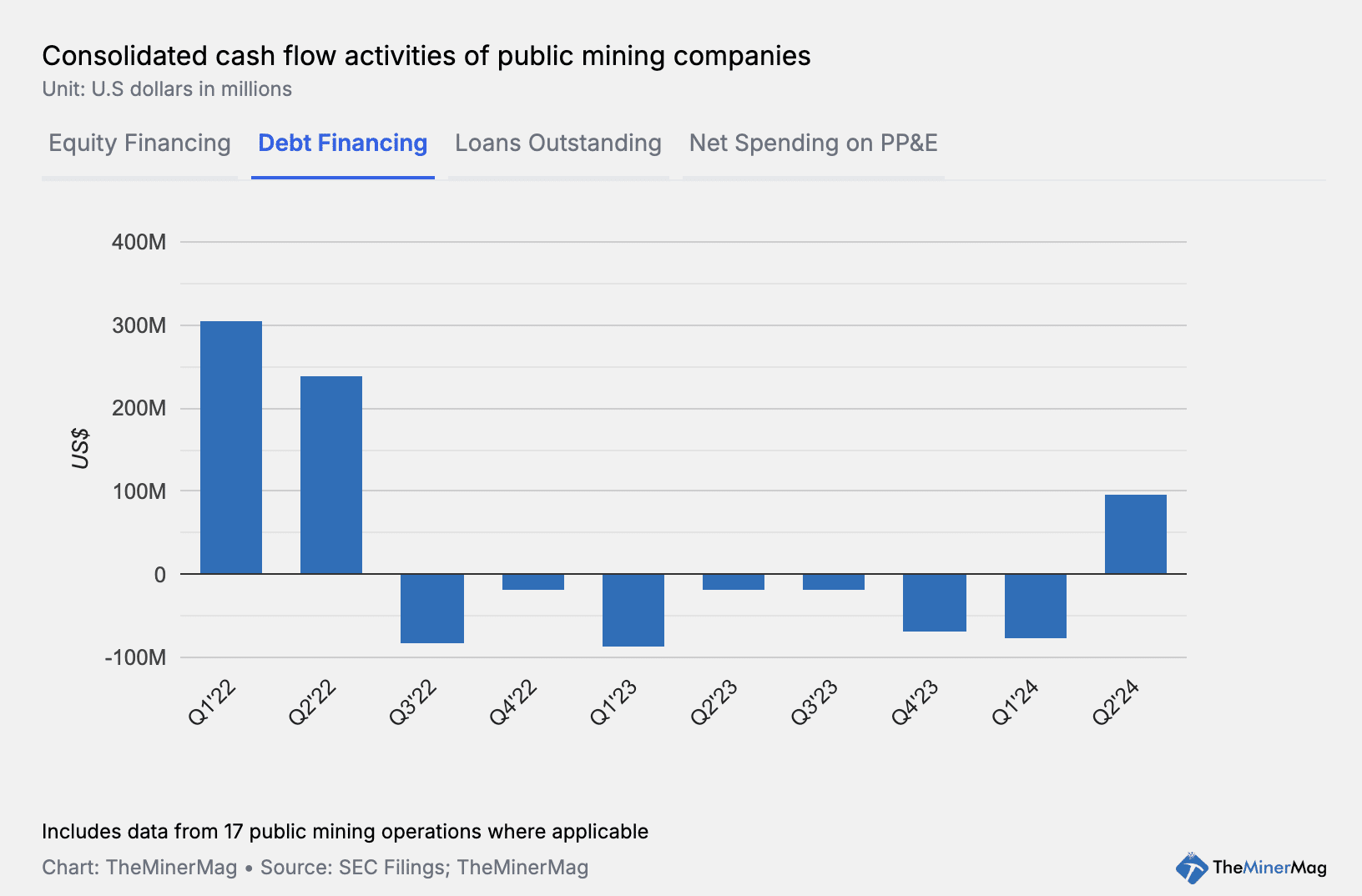
The letter of intent includes monthly recurring charges and annual escalators that DMG said reflect current market rates for AI colocation. The company also said the tenant will provide an investment-grade backstop for DMG to review. If a binding agreement is reached, DMG expects to rely primarily on debt financing to fund the capital needed for the conversion.
For now, the Christina Lake site will continue to operate mainly as a bitcoin mining facility. DMG said it would transition the site into an AI data center only if the parties execute a definitive agreement.
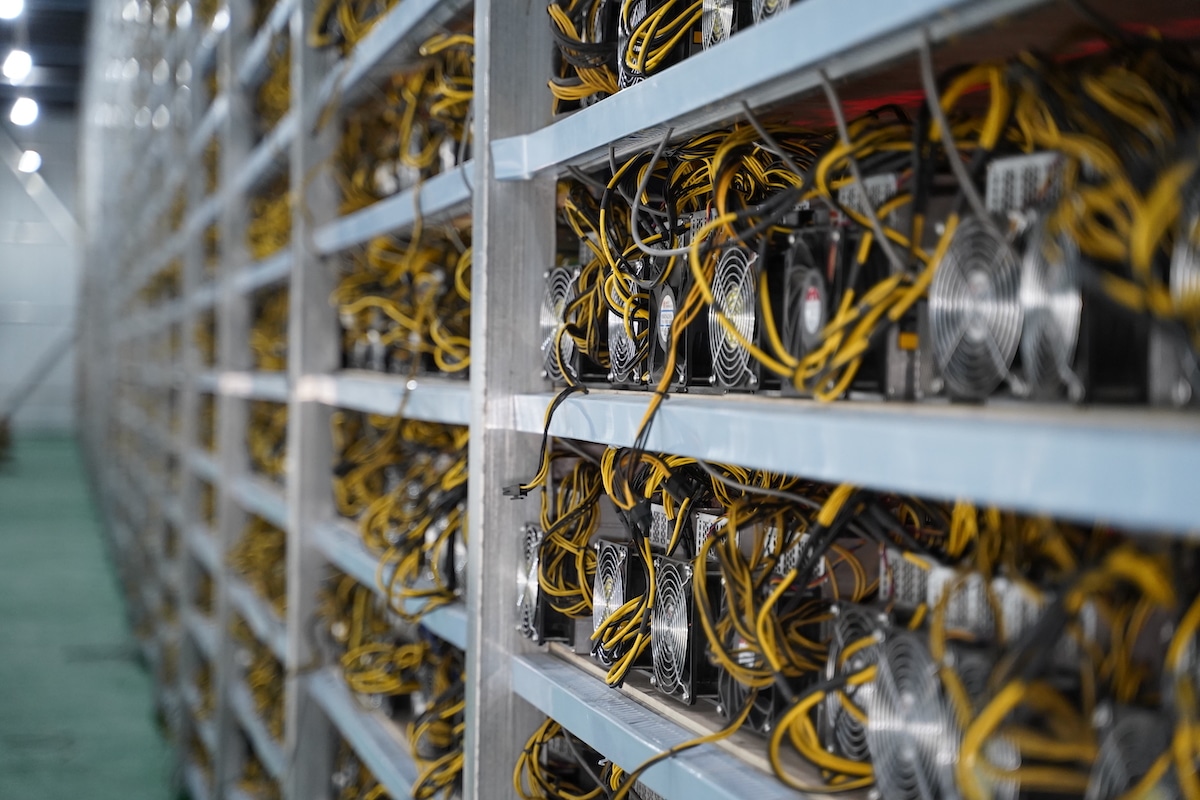
The announcement underscores the growing appeal of bitcoin mining campuses as potential AI infrastructure assets. Mining sites often already have large-scale power access, electrical equipment, cooling systems and operational experience running dense compute loads. Those attributes have become more valuable as AI developers and cloud providers race to secure power and data center capacity.
At the same time, converting mining facilities into AI colocation sites is not straightforward. AI workloads typically require more demanding standards for uptime, redundancy, networking, cooling and customer contracts than bitcoin mining. That makes tenant quality, contract duration and financing structure critical for miners seeking to convince investors that AI conversion plans can generate more stable and higher-margin revenue than mining alone.
DMG’s LOI remains preliminary. Outside of the right of first refusal, non-disclosure and non-circumvention provisions, the agreement is non-binding. The tenant will have a 12-month right of first refusal if DMG intends to accept a competing offer from another party, with seven business days to exercise that right after receiving notice.
The company said there is no assurance that the parties will complete a definitive agreement. If one is signed, DMG said it will issue a more detailed announcement.
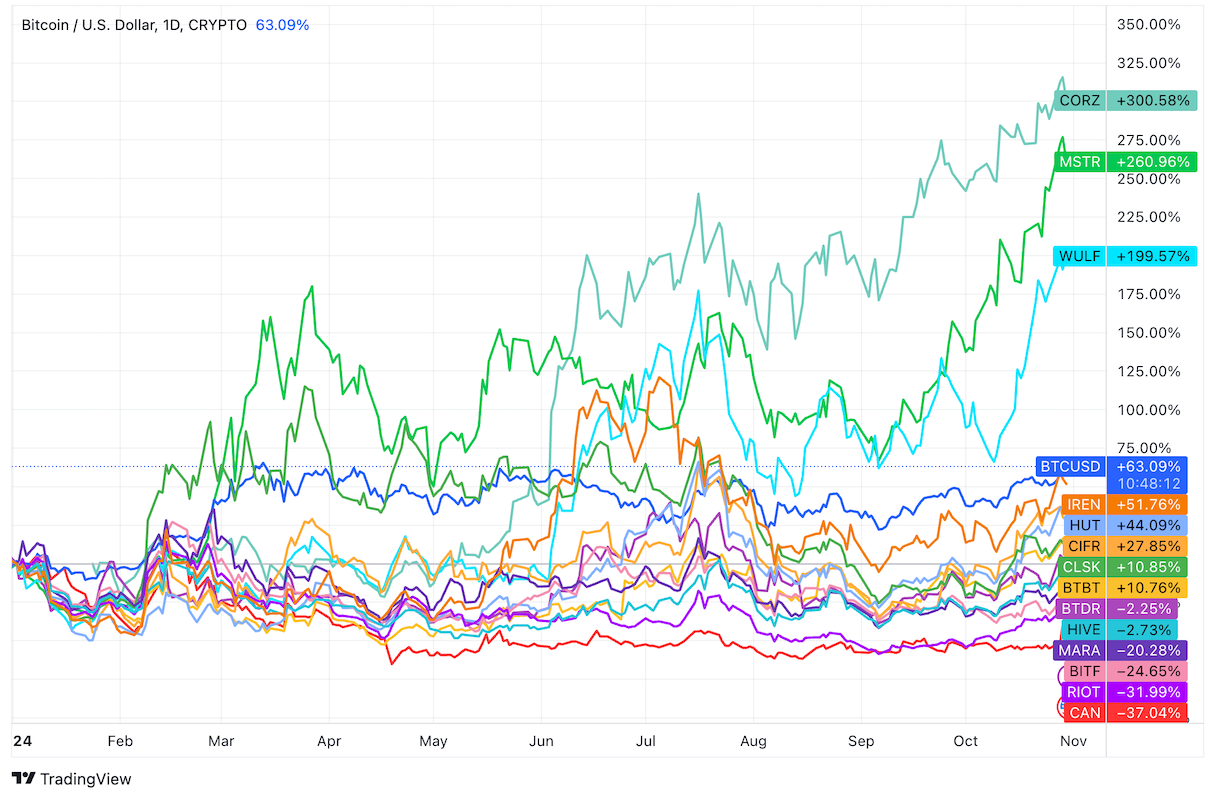
The deal would place DMG among a widening group of bitcoin mining and digital infrastructure companies seeking to turn existing power positions into AI and high-performance computing platforms. The strategy has gained traction as mining economics have remained volatile, while demand for AI data center capacity has continued to test the availability of power, land and interconnection across North America.