Duke Energy Reaches Data Center Cost Deal With Tech Giants
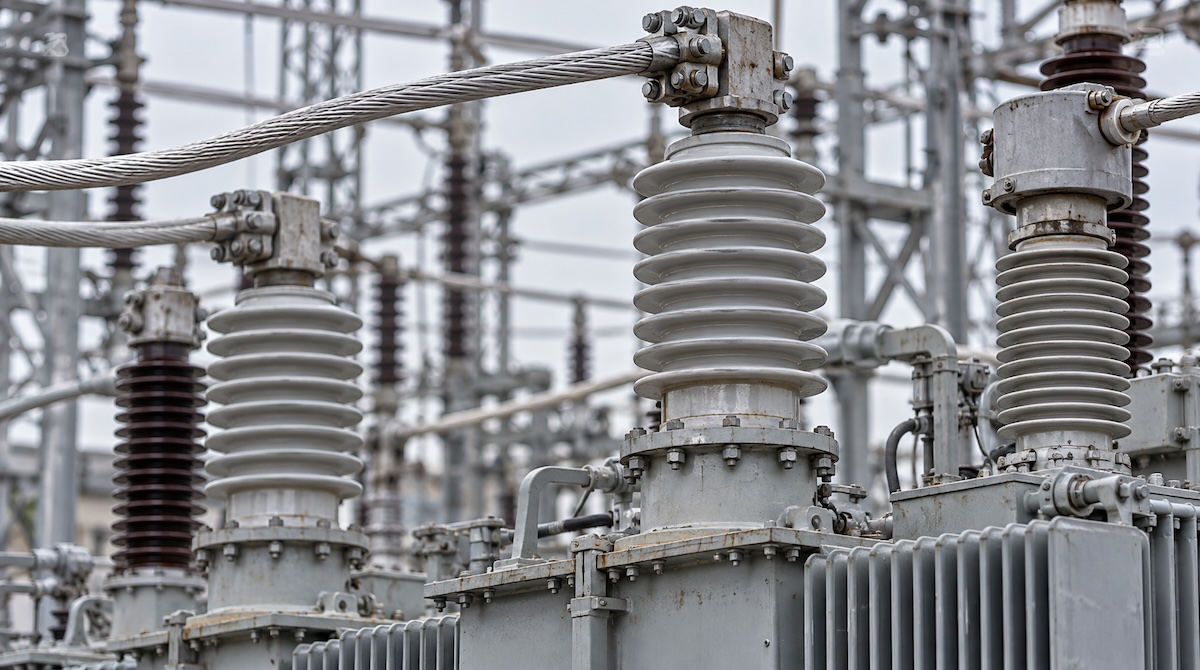
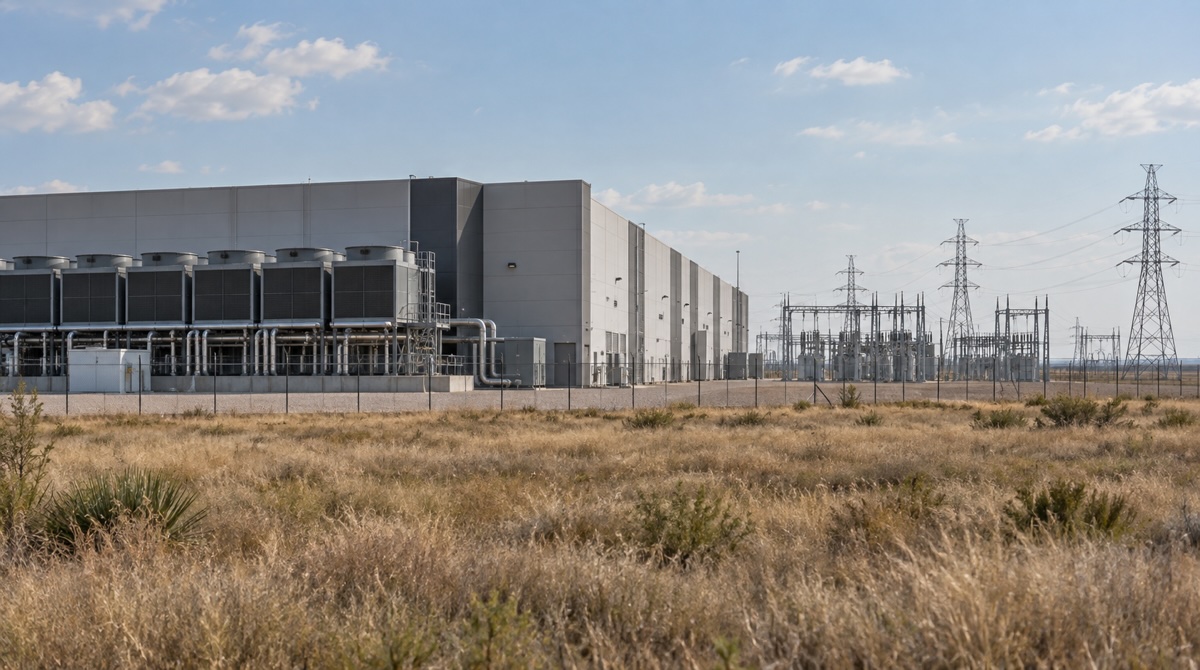
Duke Energy (NYSE: DUK) has reached an agreement with major tech companies and North Carolina’s utility consumer advocate to broaden financial safeguards for serving data centers, drawing criticism from groups that say households could still face costs if projects fall short.
The U.S. electric utility giant said on Wednesday that the agreement covers its two North Carolina utilities and includes Amazon, Google, Meta and Microsoft. It requires North Carolina Utilities Commission approval, with a decision expected by mid-November.

The proposed tariff covers new agreements signed on or after June 1, 2026, for customers with at least 50 megawatts of contracted demand and an expected load factor of at least 80%, or 150 megawatts regardless of load factor. Load factor measures average electricity demand relative to peak demand.
Customers would advance the cost of facilities dedicated to their projects and provide letters of credit covering necessary transmission upgrades. Demand charges would be based on at least 75% of contracted demand, even when actual usage is lower. Minimum contracts would run at least 10 years below 100 megawatts and at least 15 years for larger loads, potentially longer depending on how quickly consumption ramps up.
The distinction between paying for dedicated infrastructure and securing shared network investments is central to the dispute. The settlement leaves a methodology for assigning some transmission upgrade costs directly to individual customers for later consideration. It calls for Duke to submit a report within 12 months of approval.
Duke has argued that data center growth can lower costs for existing customers when revenue from new users exceeds the expense of serving them. Its Customer Protection Plus framework, announced July 23, projected billions of dollars in long-term customer benefits.
The debate comes as utilities prepare for a sharp increase in computing-related power demand. A federal data center energy report estimates that the facilities consumed 4.7% of US electricity in 2024 and could account for 9.5% to 15.3% by 2030, depending on deployment and operating assumptions.