Canaan Acquires Cipher Stake in Texas Bitcoin Mines in $40M Stock Deal
Canaan (NASDAQ: CAN) has acquired Cipher Mining’s 49% equity interest in a set of West Texas bitcoin mining joint ventures with WindHQ, as Cipher continues shifting capital toward AI data centers.
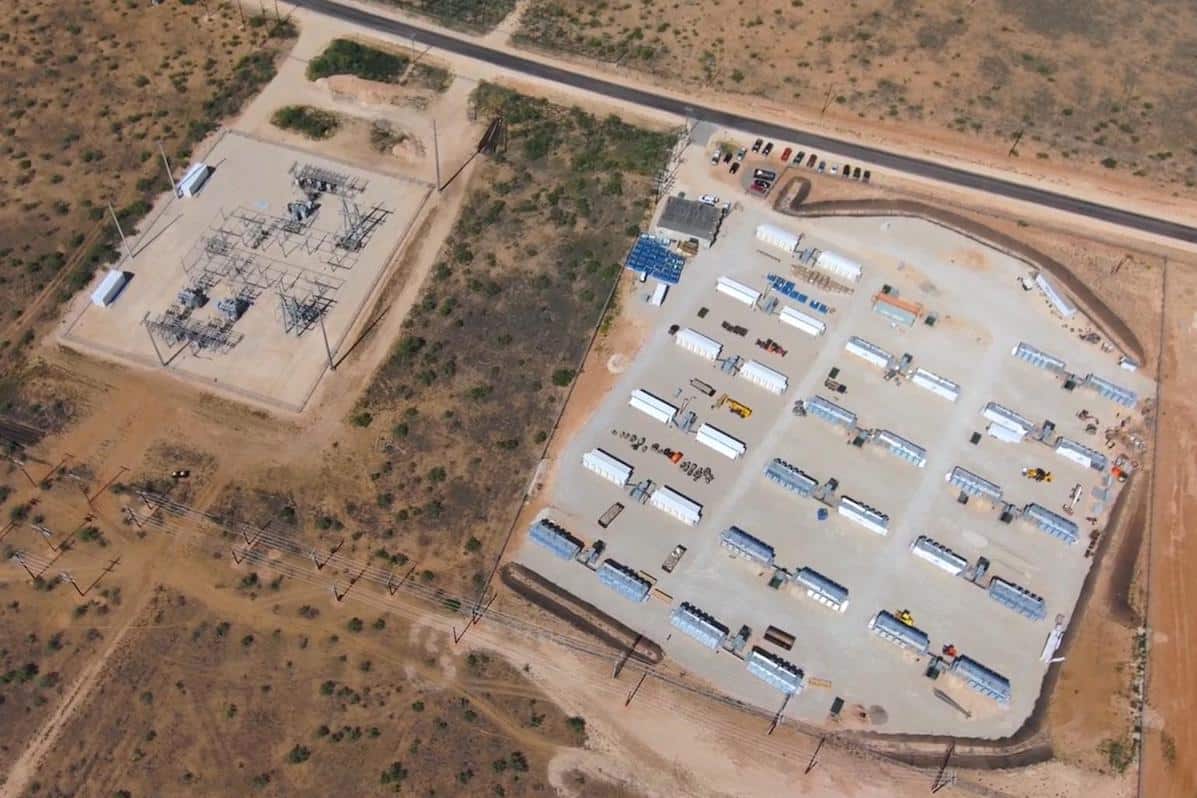
Canaan announced the transaction on Monday, and said the deal covers three joint-venture entities—Alborz LLC, Bear LLC and Chief Mountain LLC—collectively described by Canaan as the “ABC Projects.”

After the purchase, Canaan will own 49% of the ventures and WindHQ will retain 51%. The sites are operating a combined 120 megawatts of power capacity and roughly 4.4 EH/s of energized hashrate, with an average fleet efficiency of about 25.7 joules per terahash, according to the companies.
Canaan said total consideration is about $39.75 million and that it funded the purchase by issuing 806.4 million Class A ordinary shares to Cipher, equivalent to about 53.8 million American Depositary Shares, priced at $0.7394 per ADS. The shares are subject to a six-month lock-up, Canaan said.
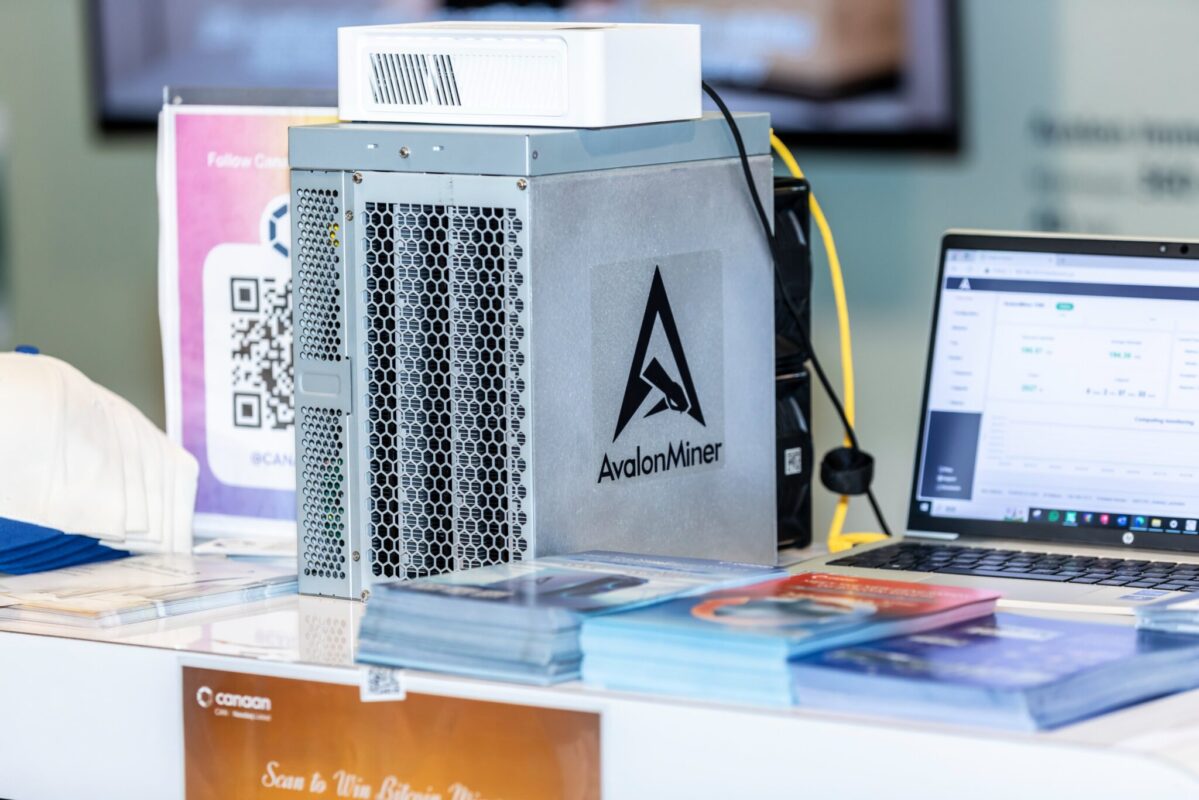
As part of the deal, Canaan also bought 6,840 Avalon A15Pro-AVG-221T mining rigs from Cipher. Canaan said the machines were originally sold to Cipher in July 2025 and were energized at Cipher’s Black Pearl site, which Cipher has been repositioning toward AI/HPC use.
Cipher has been highlighting Black Pearl—planned at 300 MW—as a key asset in its data-center strategy, including a long-term lease arrangement tied to Amazon Web Services, as previously reported.
The ABC assets include sites that Cipher previously expanded with additional capacity and Canaan-branded equipment. In a 2024 release, Cipher said the Bear and Chief joint ventures planned a 60 MW expansion and would purchase about 2.5 EH/s of “latest generation” Canaan miners under what it described as favorable pricing and payment terms.
Canaan framed the purchase as a move into “fully operational” power assets in West Texas at average power rates below 3 cents per kilowatt-hour, citing a mix of long-term grid pricing and wind integration at one site. The company also pointed to the projects’ participation in ERCOT demand-response and related power-market programs—mechanisms that have become a common revenue lever for large flexible loads on the Texas grid during periods of stress.