Google Backs $5B Texas Data Center for Anthropic, Deepening AI Infrastructure Push

Google is reportedly preparing to provide financial backing for a multibillion-dollar data center campus in Texas tied to its expanding relationship with Anthropic, underscoring how hyperscalers are increasingly stepping in as quasi-infrastructure financiers to secure AI capacity.
The project, developed by Nexus Data Centers, could exceed $5 billion in its initial phase, with Google expected to offer construction financing alongside a broader syndicate of banks competing to arrange debt by mid-year, the FT reported on Friday, citing people familiar with the matter.

The involvement of Alphabet is expected to lower borrowing costs, reflecting the growing role of investment-grade tech balance sheets in underwriting power-intensive infrastructure.
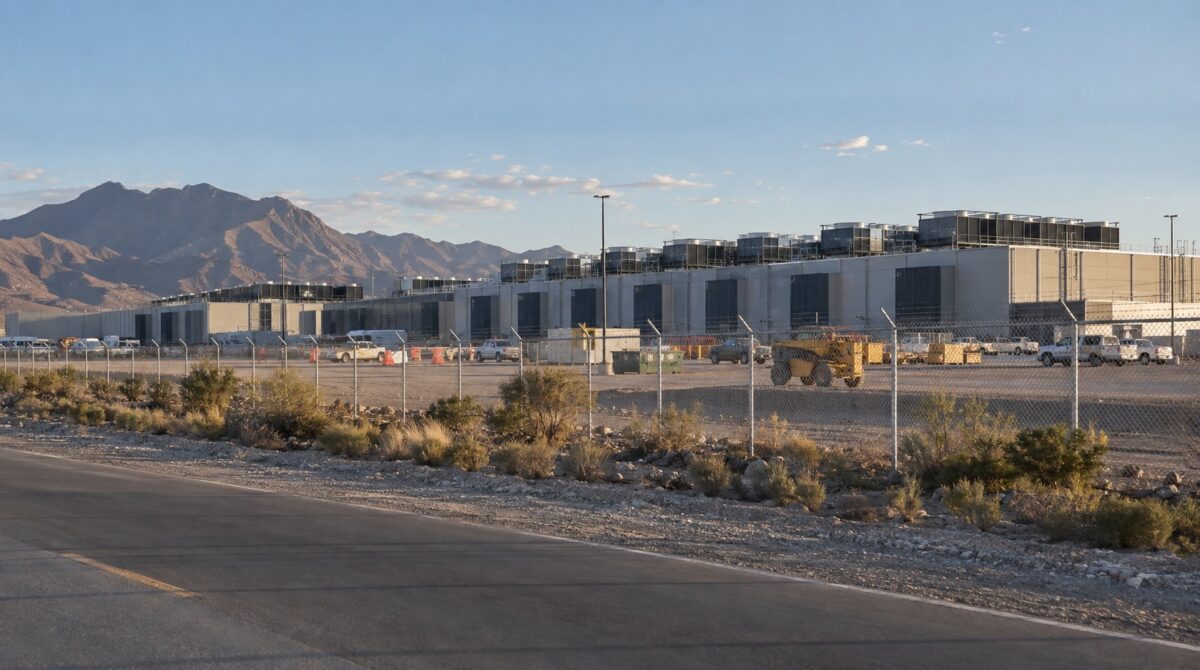
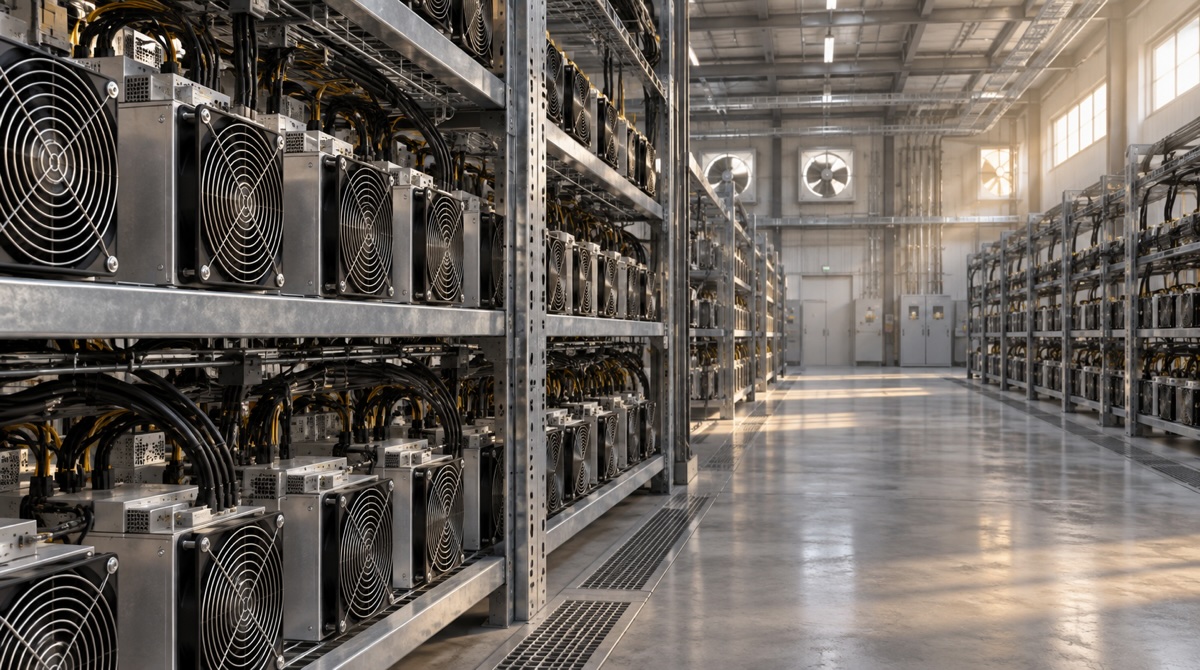
The Texas campus spans roughly 2,800 acres and is already under construction with early-stage debt from asset manager Eagle Point. It is expected to deliver about 500 megawatts of capacity by late 2026, with long-term expansion potential reaching 7.7 gigawatts—placing it among the largest planned AI data center developments globally.
The site is leased to Anthropic, deepening its commercial ties with Google even as the AI developer navigates tensions with the U.S. government over military applications of its technology. Neither company has publicly commented on the financing plans.
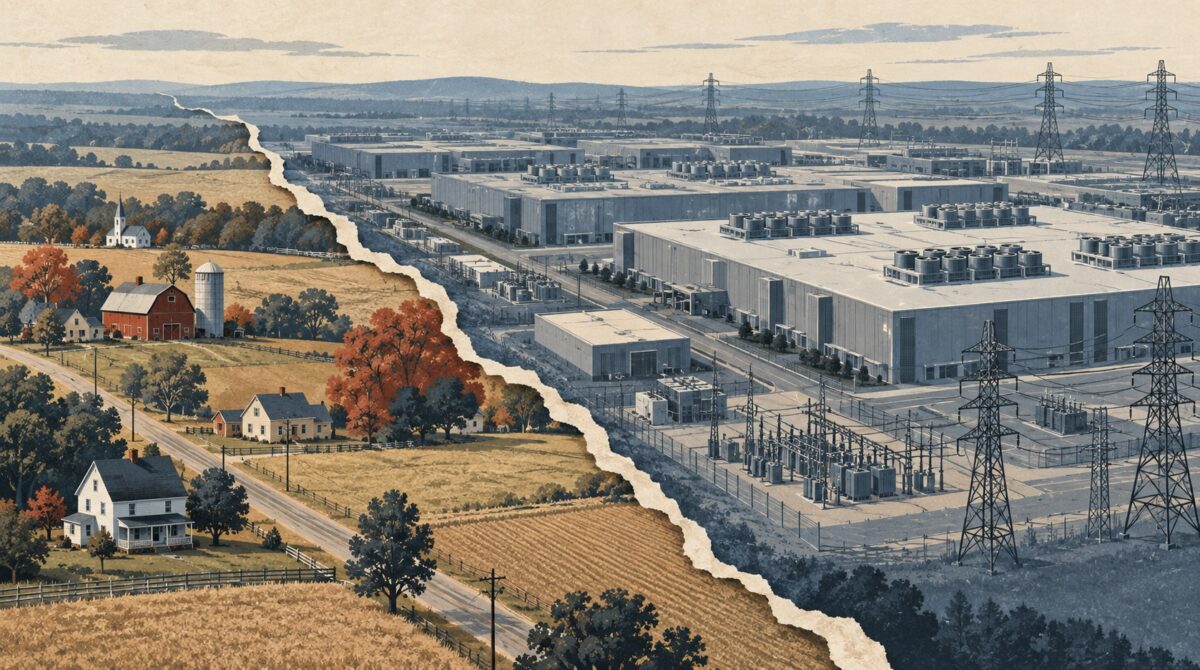
The project highlights a broader structural shift in how large-scale computing infrastructure is funded and powered. Rather than relying solely on traditional project finance and grid interconnections, developers are increasingly combining hyperscaler-backed capital with on-site energy generation to accelerate deployment timelines.
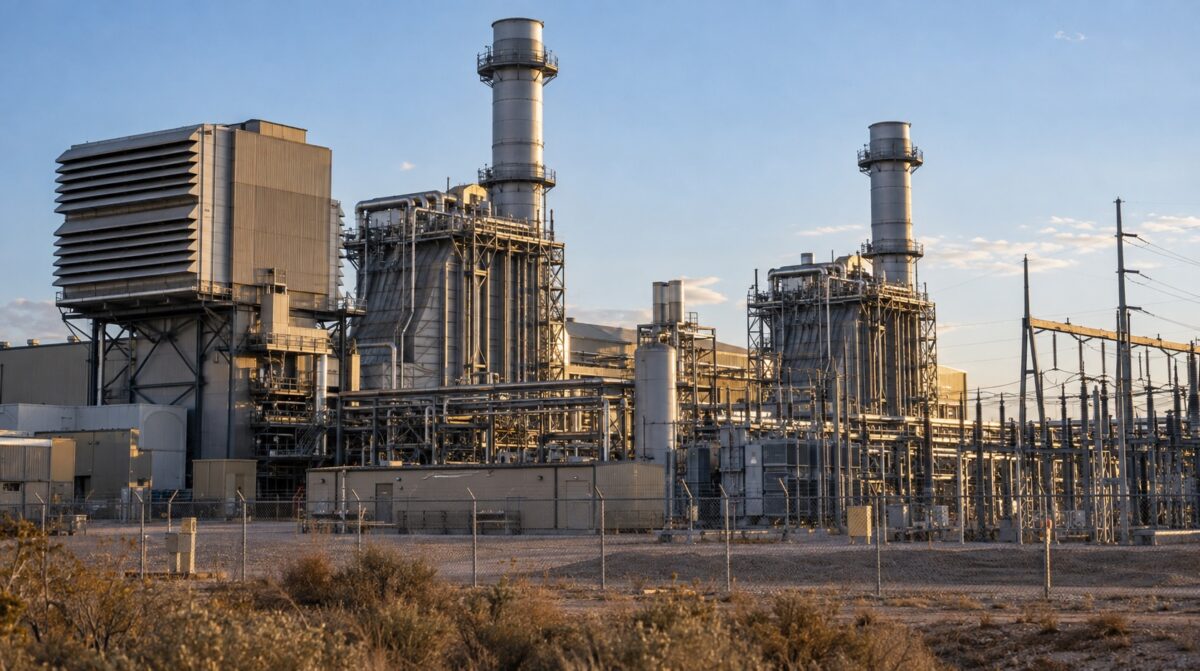
In this case, the Texas location offers proximity to major natural gas pipeline networks operated by companies such as Energy Transfer and Atmos Energy, enabling the use of dedicated gas-fired generation. Such “behind-the-meter” configurations allow data centers to bypass grid bottlenecks and mitigate exposure to peak electricity pricing.
The model is gaining traction across the industry. Projects such as Colossus data center project in Tennessee and Mississippi have deployed off-grid gas turbines, while major cloud providers including Microsoft and Amazon are pursuing similar hybrid power strategies.
Developers announced roughly 50 gigawatts of behind-the-meter data center capacity in 2025 alone, reflecting mounting constraints on grid access. In Texas, the scale of projected demand is particularly acute: the Electric Reliability Council of Texas has estimated that data center load could reach 78 gigawatts by 2031—equivalent to about 36% of total state electricity demand.
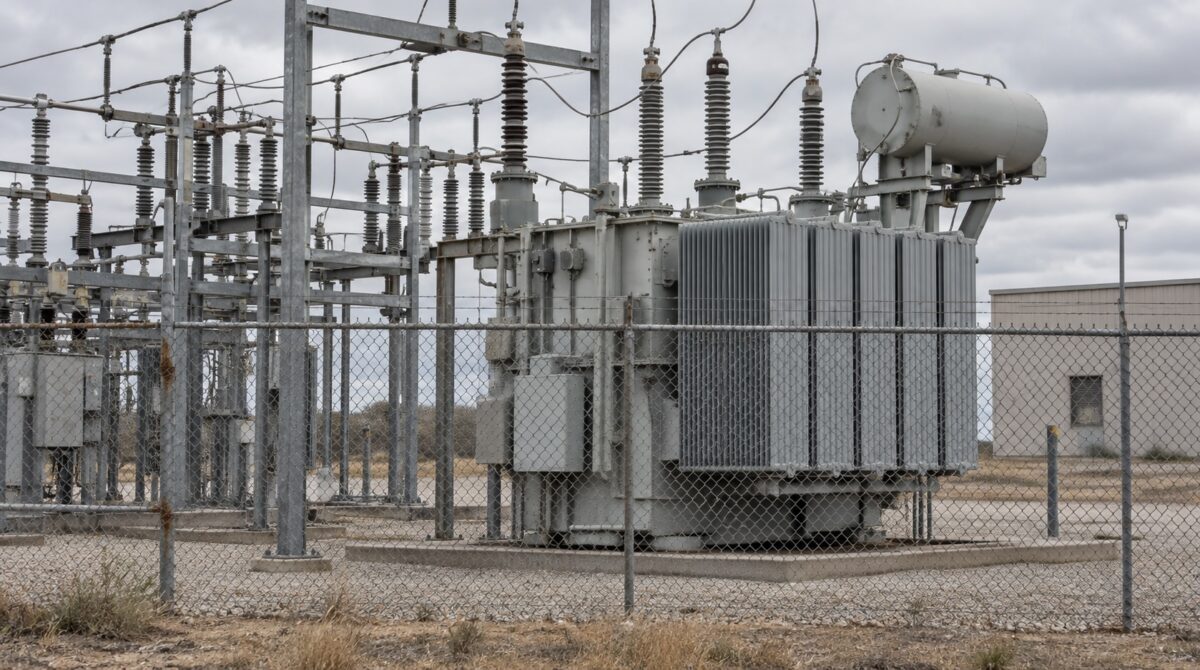
The rapid buildout is also drawing scrutiny. While on-site generation can ease interconnection delays, critics argue that it does not eliminate underlying pressure on fuel supply and broader energy systems. Many developers still ultimately seek grid connections for long-term reliability and cost optimization, positioning behind-the-meter solutions as an interim bridge rather than a permanent substitute.
The financing structure emerging around the Nexus project illustrates how AI infrastructure is converging with energy development, with hyperscalers increasingly underwriting both compute capacity and the power systems needed to sustain it.