CleanSpark Signs $6.6B Data Center Lease, Puts Texas Portfolio Under Exclusivity

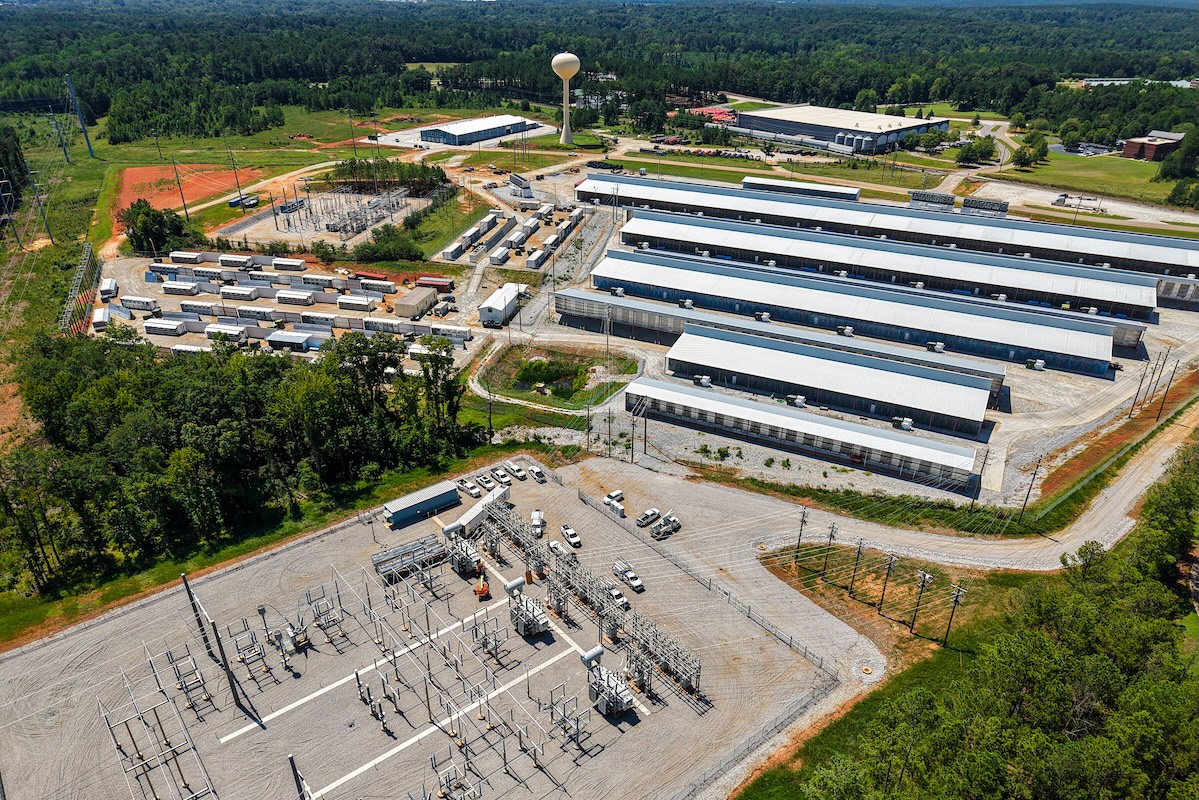
CleanSpark (NASDAQ: CLSK) has signed a 20-year infrastructure lease with an undisclosed global technology company at its Sandersville, Georgia, campus, a deal the bitcoin miner-turned-data center developer expects to generate about $6.6 billion in contracted revenue over the initial term.
The agreement includes two five-year extension options that could increase the total contract value to about $11.6 billion, CleanSpark said Tuesday. The lease is structured as a triple-net agreement with annual escalators, meaning the tenant will generally be responsible for operating costs including taxes, insurance and maintenance. CleanSpark’s stock price went up by 15% during pre-market trading on Tuesday following the announcement.
[article_ad_banner]CleanSpark said the tenant is a high-investment-grade global technology company, though it did not disclose the customer’s identity. The company will deploy production-grade infrastructure at the Sandersville campus for a range of computing workloads.

The agreement represents a major step in CleanSpark’s effort to expand beyond bitcoin mining and monetize its portfolio of power-secured sites as data center infrastructure for artificial intelligence and other high-density computing applications.
CleanSpark expects the lease to contribute an average of about $330 million in annual net operating income over the initial 20-year term, with a cumulative NOI contribution margin of nearly 100%. The company estimated landlord development costs at between $10 million and $12 million per megawatt of critical IT load.
The announcement did not specify the total amount of critical IT capacity included in the Sandersville lease, the expected timing of service commencement or the total capital required to complete the project.
CleanSpark said the tenant also signed a letter of intent and exclusivity agreement covering the company’s entire Texas portfolio, encompassing 718 acres and as much as 885 megawatts of secured and planned power capacity.
That portfolio includes 271 acres at CleanSpark’s Sealy campus, where the company has nearly 300 MW of capacity, and 447 acres at its Brazoria campus. The Brazoria site has transmission-level infrastructure supporting an initial 300 MW demand load and potential expansion to 600 MW, according to the announcement.
The exclusivity arrangement suggests the Sandersville lease could be the first phase of a broader relationship, though the Texas agreement remains subject to further negotiations and is not yet a definitive lease.
CleanSpark Chief Executive Officer Matt Schultz described the Sandersville transaction as a milestone in the company’s transition into a diversified digital infrastructure operator. He said the long-term commitment and Texas exclusivity validated CleanSpark’s strategy of acquiring land and power capacity before committing to large-scale data center development.
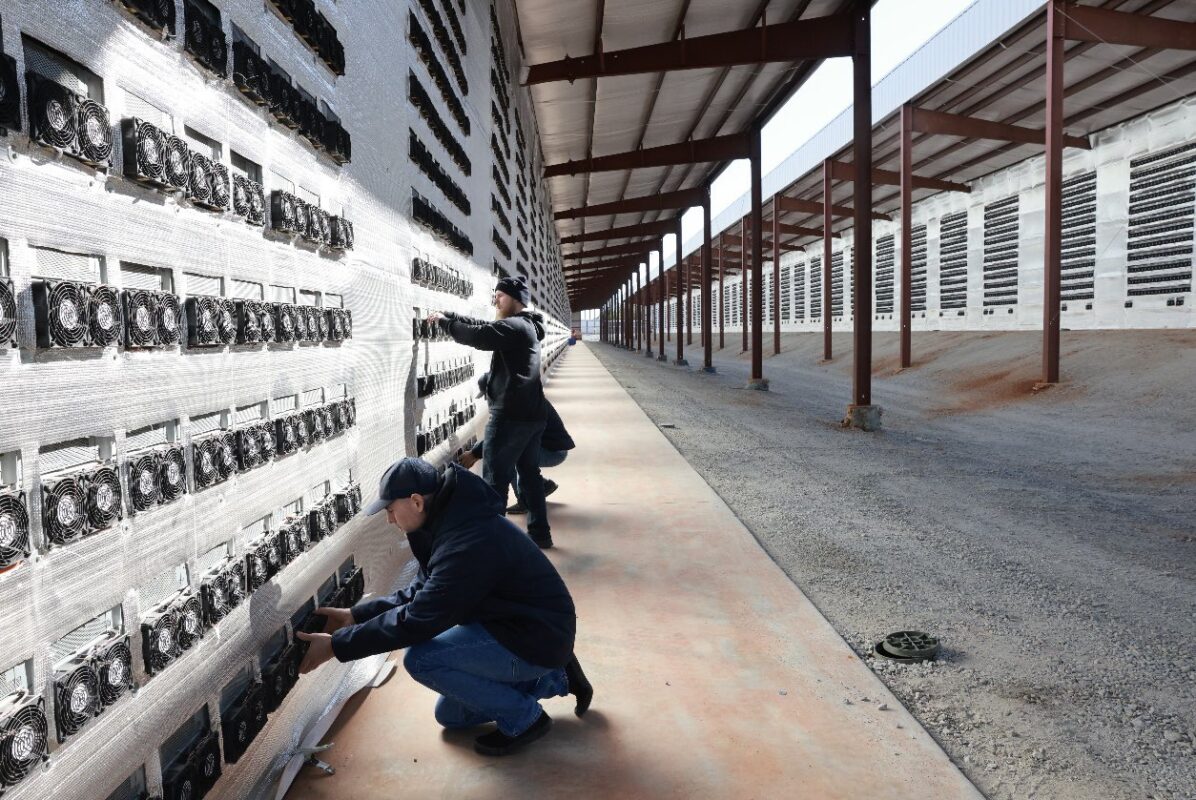
The company began operating in Sandersville in 2022 and has since invested in energy infrastructure, site development and bitcoin mining operations there. CleanSpark said the site was selected for its access to low-cost power, available capacity for high-density computing and ability to support phased deployment.
The lease adds CleanSpark to a growing group of bitcoin mining companies seeking to repurpose or expand energy-intensive facilities for AI and high-performance computing customers. Miners including Core Scientific (NASDAQ: CORZ), IREN, Cipher Mining, TeraWulf (NASDAQ: WULF) and Hut 8 (NASDAQ: HUT) have pursued similar strategies as demand for large-scale power capacity has risen and bitcoin mining economics have become more competitive.
Those conversions can offer miners longer-duration, dollar-denominated revenue compared with bitcoin mining, where income is tied to volatile cryptocurrency prices, network difficulty and transaction fees. They also require substantial upfront capital, construction expertise and creditworthy tenants capable of supporting project financing.
CleanSpark has historically focused on bitcoin mining and has built a large portfolio of power infrastructure across Georgia and Texas. The Sandersville lease would represent a significant shift in the company’s revenue mix if the project is completed and enters service as planned.
The transaction also increases CleanSpark’s exposure to a single large customer. While an investment-grade tenant and a long-term triple-net lease can support financing and provide predictable cash flow, the concentration creates counterparty and execution risks if construction is delayed, power delivery falls short or the tenant’s requirements change.
CleanSpark did not disclose whether financing has been secured for the Sandersville development, whether the tenant will provide guarantees or prepayments, or when final agreements for the Texas sites could be completed.