Google Told to Halt Work at Two Finnish Data Center Sites Pending Review
Finland’s environmental regulator has called on Google to suspend site preparation at two planned data centers, saying extensive land clearing and earthworks had proceeded before environmental assessments were completed.
The Finnish Licensing and Supervision Authority told Google subsidiary Tuike Finland Oy to stop activities that significantly alter the environment at Muhos and Kajaani–Otanmäki immediately, and no later than Oct. 23. The company must respond by Oct. 14, including whether it intends to comply, according to two notices dated Oct. 6, 2026.
The intervention affects projects within Google’s planned investment of at least €13 billion in Finnish digital infrastructure during 2027 and 2028. Announced on Sept. 9, that commitment covers data centers and supporting infrastructure in Hamina, Kajaani, Muhos and Vaala, and is described by Google as its largest single investment in Europe.
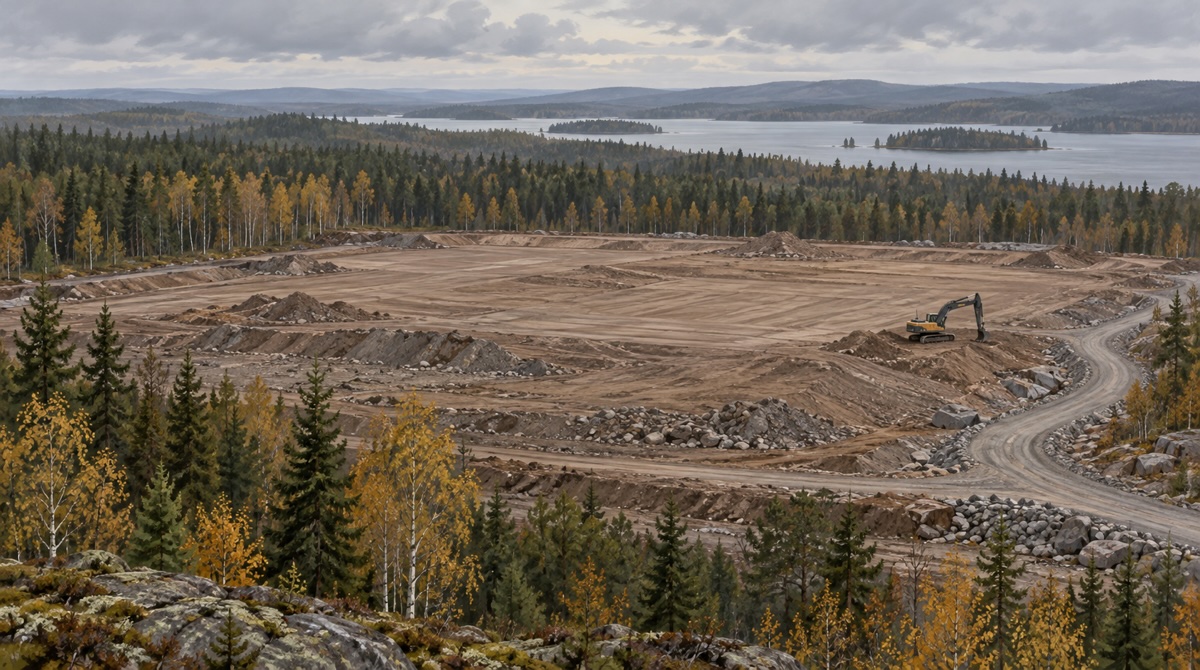
Tuike reported tree-felling and preparation areas of about 330 hectares at Muhos and just under 200 hectares at Kajaani. The regulator said the works had already significantly changed the sites and could cause lasting changes to soil, vegetation, landscapes and water conditions.

At Muhos, topsoil had been removed, access roads and storage areas prepared, drainage improved and stormwater detention basins built, according to the company’s submission summarized in the notice. Deliveries of fill material were also underway. Similar preparation was taking place at Kajaani.
Google acknowledged it had “fallen short of our own high standards,” the Guardian reported. Spokesman Sondre Ronander separately told Finnish broadcaster Yle that the company would examine the authority’s findings and follow its instructions.
The dispute centers on whether the activities qualify as preliminary work allowed before construction or amount to implementation of projects whose environmental effects have yet to be fully assessed.
In its Sept. 25 submissions, Tuike argued that the works did not require construction permits and were allowed under Finnish construction legislation. The company said it had submitted forestry notifications, informed municipal authorities and taken measures to protect valuable natural areas.
The regulator said municipal acceptance of preparatory activities did not remove obligations under environmental-assessment law. Extensive earthworks could narrow the alternatives still available to planners and undermine the purpose of assessing impacts before a project proceeds.
The municipalities’ accounts differed. Kajaani’s building-control authority said the ongoing works complied with local plans and that it saw no need to intervene.
Muhos said a landscape-work permit was necessary for the extensive permanent earth structures included in Tuike’s application. It had put that application on hold following the national regulator’s May 18 advice that project approvals should await the environmental assessment. A June message allowing certain preliminary activities was not a permit authorizing implementation, the municipality said.
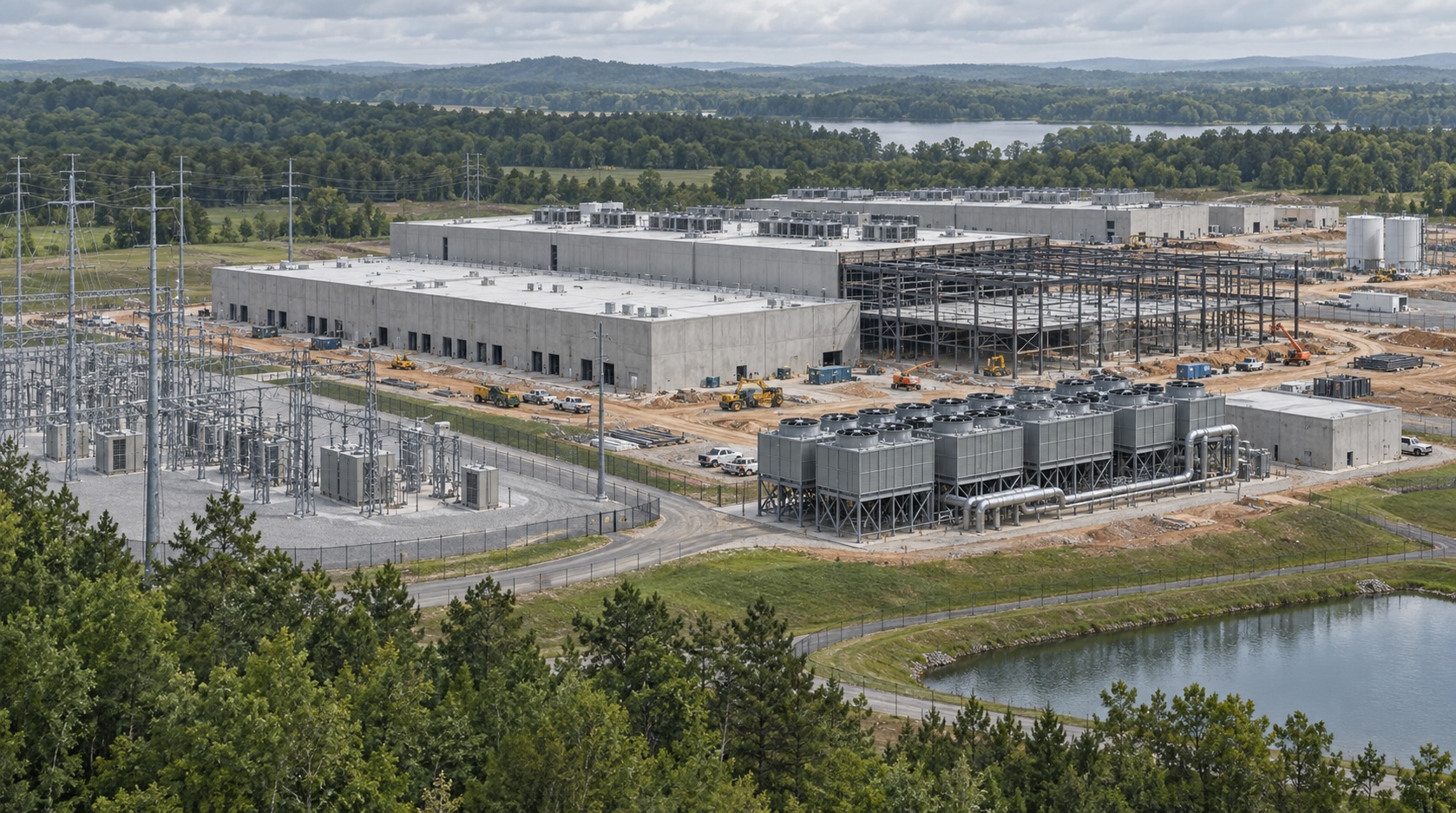
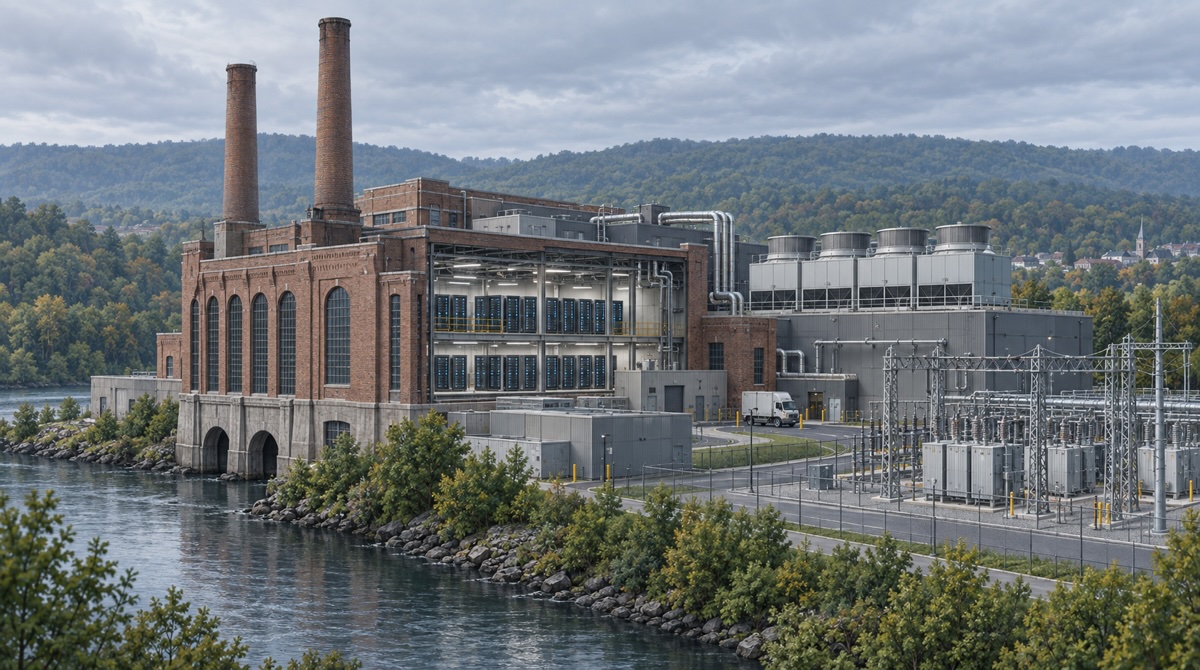
The planned Muhos campus comprises nine data-center buildings on approximately 571 hectares. Kajaani–Otanmäki would have eight buildings on about 405 hectares. Cooling options under examination include taking water from and returning it to the Oulujoki River at Muhos, and drawing water from Lake Oulujärvi at Kajaani.
Both projects began their environmental-assessment processes in summer 2025, with assessment reports expected by the end of 2026. The notices require the affected works to remain suspended until the processes are complete and the authority’s reasoned conclusions are available; submitting the reports alone would not satisfy that condition.
Planning, measurements and investigations with minor, readily reversible effects may continue. If Tuike disregards the notices, the regulator says it may issue formal enforcement orders backed by conditional fines. The notices themselves impose no fine and do not cancel either project.