Bell and HIVE Launch Merritt AI Facility, Formalizing 16.6 MW Canadian Expansion
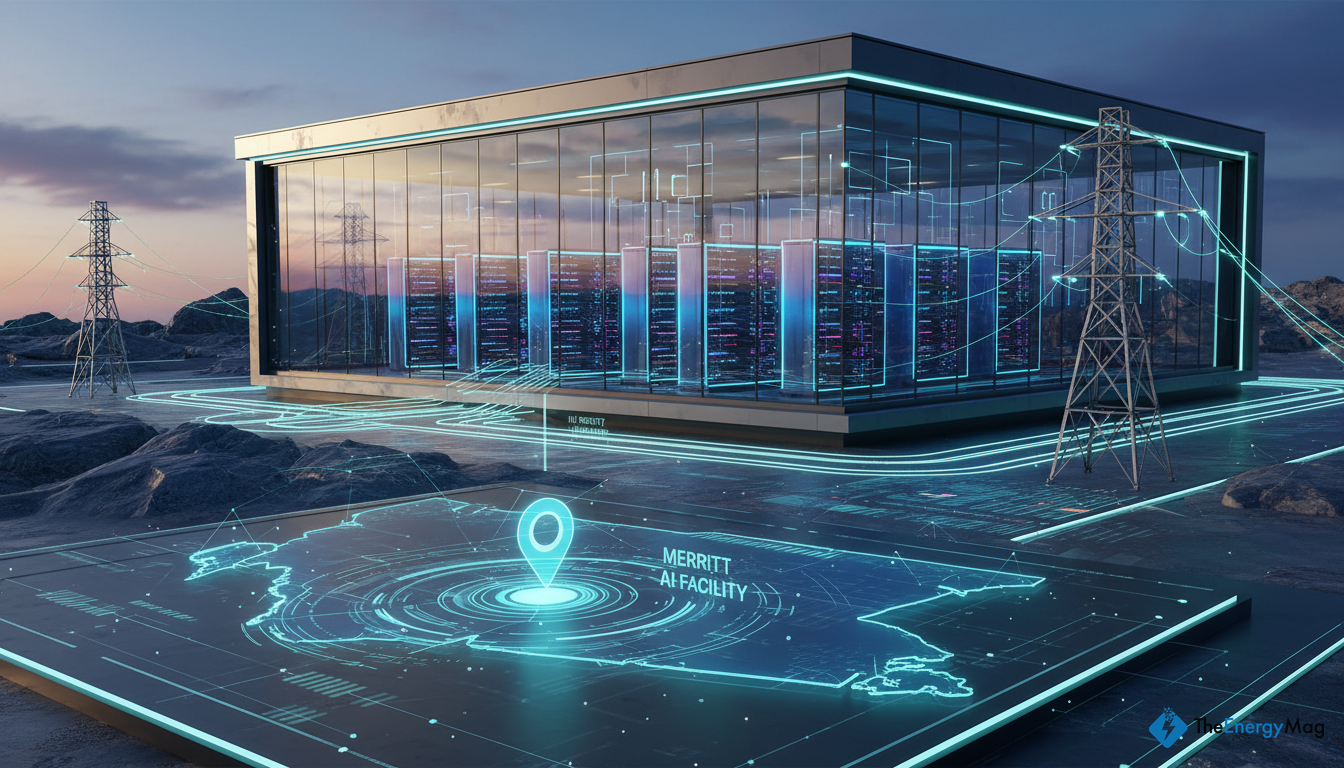
AI-generated image: synthetic visual, not an actual depiction of events, people, or locations.
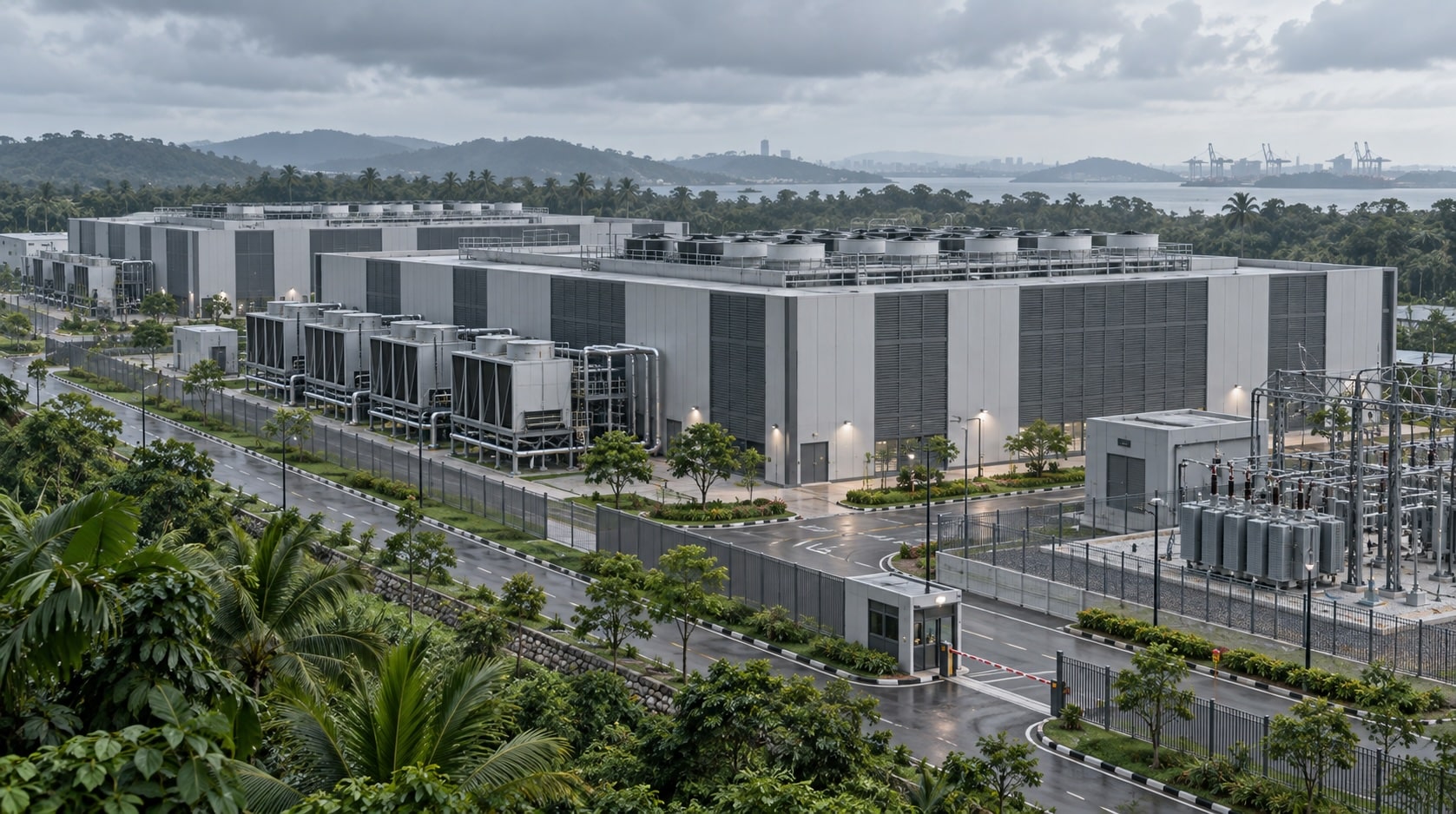
Bell Canada (TSX: BCE) and BUZZ HPC, the high-performance computing arm of HIVE Digital (NASDAQ: HIVE) Technologies, officially launched a new sovereign AI infrastructure site in Merritt, British Columbia, today, March 25, 2026. The facility represents a key milestone in the 16.6 MW Canadian footprint expansion first reported by TheEnergyMag earlier this month.
Under the finalized agreement, BUZZ HPC has secured an immediate 6.5 MW of gross capacity at the Merritt facility. This figure updates the initial 5 MW projection reported on March 16. The site is specifically engineered to support "Sovereign AI," providing a secure environment for Canadian government and enterprise data that must remain within national borders.
The Merritt deployment is part of a broader shift for HIVE, which is currently winding down its Bitcoin mining operations in Sweden due to tax disputes to focus on its liquid-cooled AI data center capacity in North America.
The Merritt launch is the third major infrastructure update for the Bell-HIVE partnership in recent months:

Manitoba: The expansion builds on an existing 4 MW critical IT load already operational in the province.
Saskatchewan: In February 2026, Bell proposed a 160-acre data center campus south of Regina to serve as a cornerstone for the national AI Fabric.
British Columbia: The new Merritt facility provides Western Canadian clients with direct access to clusters of NVIDIA GPUs.
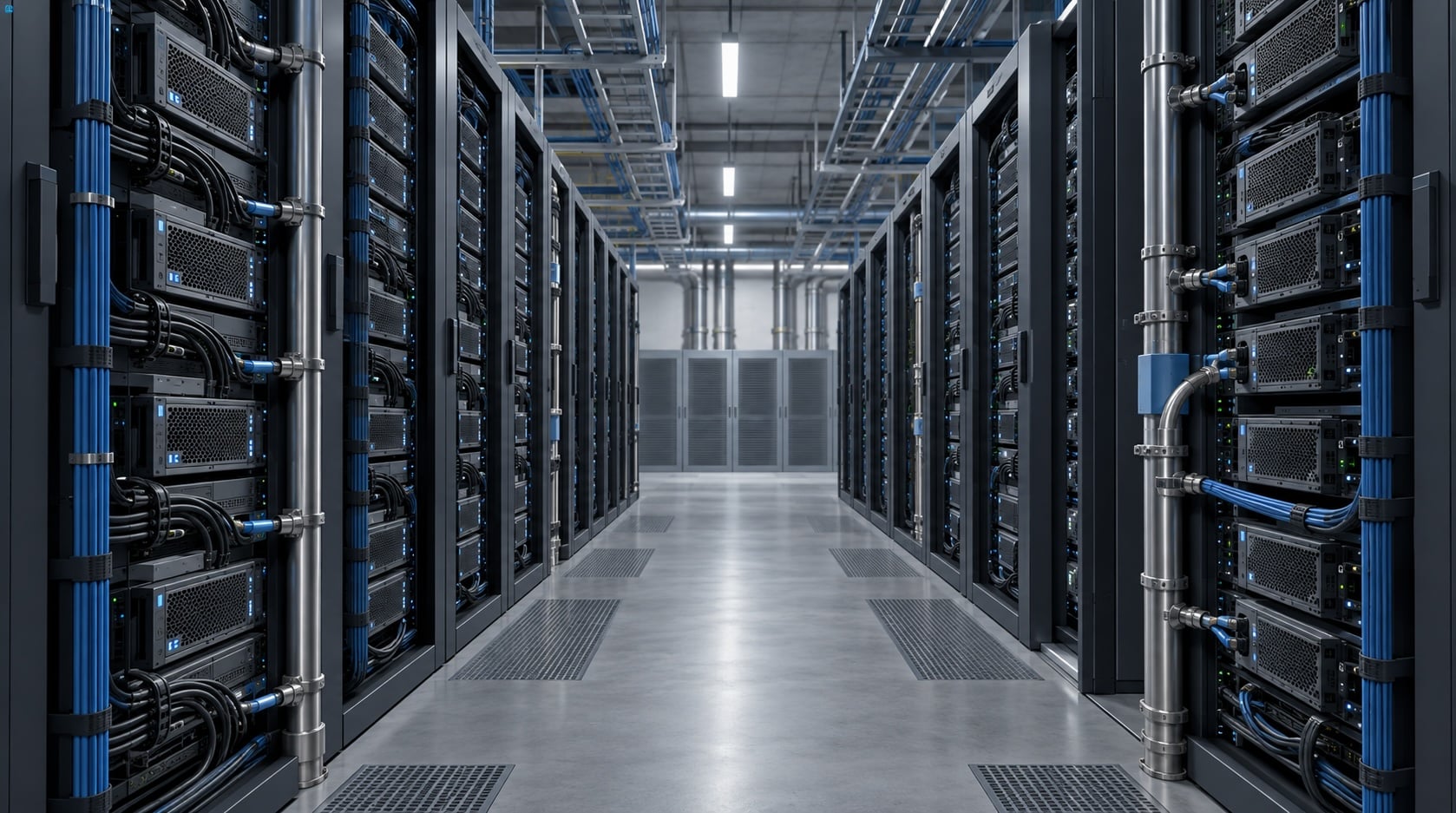
Bell and BUZZ HPC have been collaborating since August 2025, when HIVE’s unit was named the preferred supplier for Bell’s AI backbone. The partnership utilizes HIVE’s expertise in managing NVIDIA Hopper and Blackwell-based systems alongside Bell’s national fiber network and physical data center footprint.
By integrating high-speed InfiniBand networking and advanced liquid cooling, the Bell AI Fabric aims to offer a domestic, high-performance alternative to U.S.-based hyperscalers.