Cango Targets Bare-Metal and Colocation Revenue at 3 MW Site Following Mining Optimization

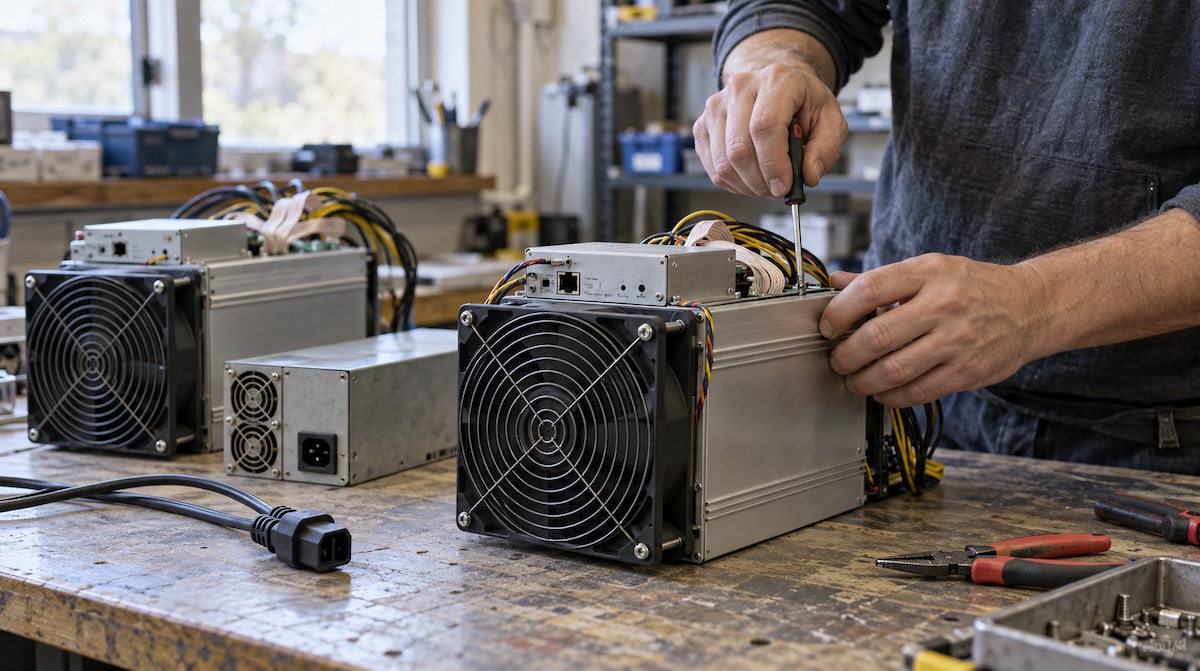
AI-generated image: synthetic visual, not an actual depiction of events, people, or locations.
Bitcoin mining and digital infrastructure operator Cango (NYSE: CANG) Inc. reported its unaudited financial results for the second quarter ended June 30, 2026, highlighting an operational pivot toward unit-economic efficiency in its mining fleet and the commissioning of its initial modular artificial intelligence compute capacity.
The company generated total revenue of $50.8 million for the quarter, compared to the first quarter's top line, representing an approximate 50% sequential decline. Management noted that the revenue decrease was a deliberate outcome of right-sizing its fleet, which involved decommissioning older, less efficient S19-series ASIC machines and transitioning portions of capacity to hosted leasing models.
Cango posted a net loss from continuing operations of $81.6 million, narrowing from a net loss of $261.1 million in Q1 2026. The quarterly loss was primarily driven by non-cash charges, including a $42.9 million impairment loss on mining machines and an $8.5 million loss on equipment disposals. Adjusted EBITDA loss improved significantly to $10.7 million from $154.1 million in the previous quarter.
Mining Fleet Optimization, Costs, and Hedging Strategy

Cango closed the second quarter with a total operating hashrate of 27.58 EH/s, consisting of 19.84 EH/s of proprietary self-mining capacity and 7.74 EH/s of leased hashrate.
Operational and treasury highlights include:
Bitcoin Production: The company mined 656 Bitcoin during Q2 2026.
Cost per Coin: Disciplined fleet management drove an approximate 5% sequential reduction in average cash cost per Bitcoin, dropping to $73,313. Treasury Reserves: Cango held 1,056 BTC in its digital asset reserves as of June 30, 2026, alongside cash and cash equivalents of $10.1 million. Long-term related-party debt stood at $31.2 million.
Hedging Program: The company formally launched a Bitcoin hedging program during the quarter to manage revenue exposure to price volatility and stabilize operating cash flows without taking speculative positions.
Modular AI Infrastructure and HPC Rollout
Alongside its mining operations, Cango advanced its transition into high-performance compute and AI infrastructure:
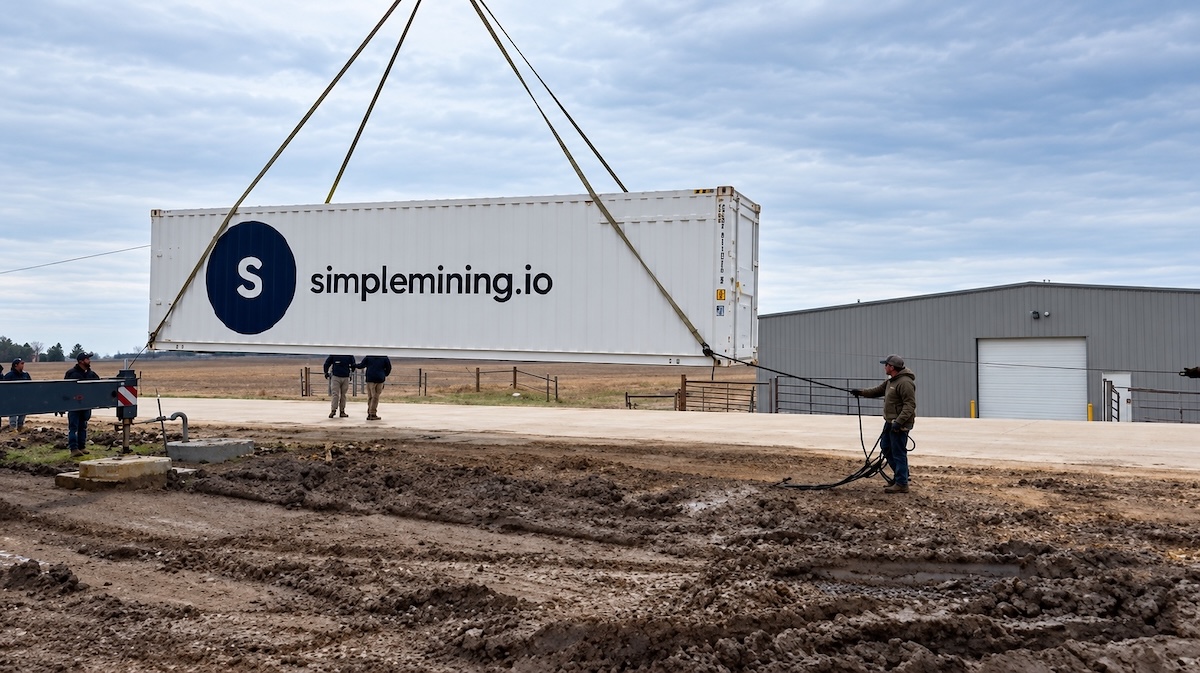
Georgia 3 MW Conversion: Infrastructure conversion at its LN mining site in Georgia was completed in early July 2026, providing 3 megawatts (MW) of energized capacity with scope for future expansion. Modular container units have been installed, and procured GPU hardware is arriving in staged batches.
Commercial Models: The company is establishing two primary service models for its compute business: bare-metal GPU hosting and colocation. Customer onboarding at the Georgia facility is currently underway, with initial revenue recognition anticipated in the third quarter of 2026.
Geographic Expansion: To service customers requiring proximity-based compute, Cango has deployed operational test nodes in Texas and on the West Coast while evaluating additional self-build data center sites.