Constellation, Walmart Sign Nuclear Power Deal for Illinois Supply Chain Expansion

AI-generated image: synthetic visual, not an actual depiction of events, people, or locations.
Key Takeaways
- Walmart will source emissions-free nuclear power from Constellation's Dresden Clean Energy Center.
- The long-term agreement is designed to provide reliable electricity for Walmart's Illinois operations.
Constellation Energy (NASDAQ: CEG) and Walmart have signed a long-term nuclear power purchase agreement tied to Constellation’s Dresden Clean Energy Center in Illinois, marking Walmart’s first nuclear PPA and extending the growing use of nuclear contracts beyond the technology sector.
The agreement announced Tuesday covers about 176 megawatts of wholesale supply from Dresden, including 30 megawatts of additional generating capacity expected from planned uprates at the existing nuclear plant. Walmart will buy electricity, environmental attributes and capacity through two 15-year terms beginning in 2029 and 2030, the companies said.
Financial terms were not disclosed.
The deal comes as large corporate energy buyers seek longer-duration contracts for reliable, carbon-free electricity at a time when rising demand from data centers, advanced manufacturing and automated logistics facilities is tightening parts of the US power market. Nuclear power has increasingly become a preferred option for companies that need around-the-clock electricity rather than intermittent renewable generation alone.
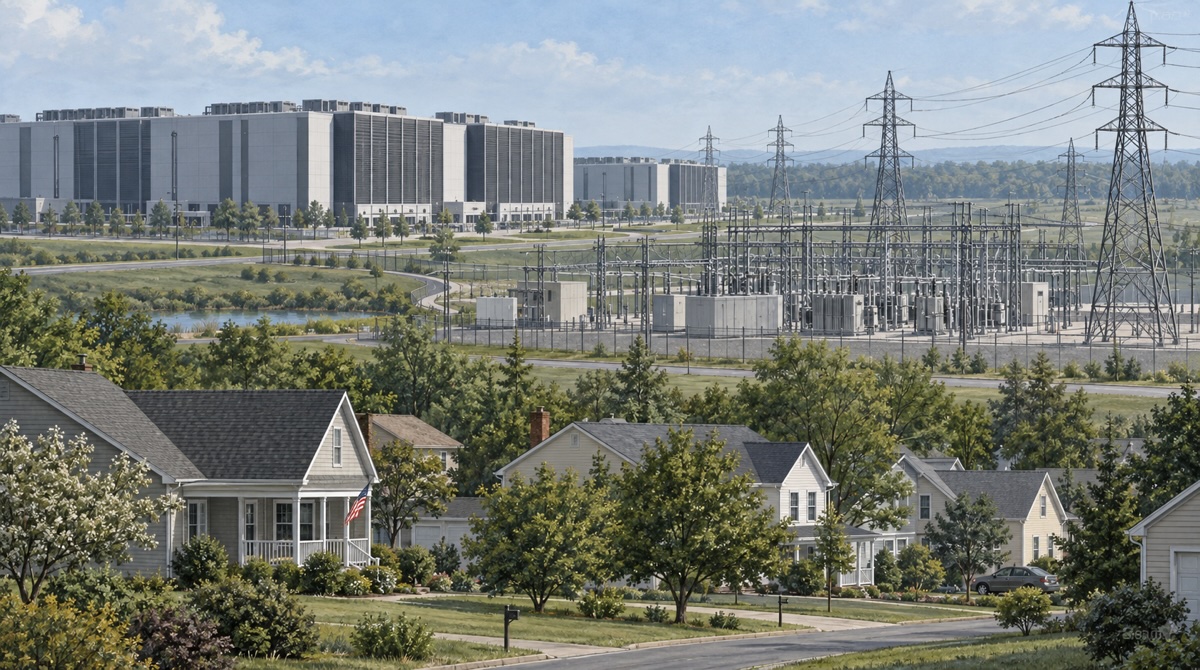
For Walmart, the agreement is tied to its expanding supply chain operations in Illinois. Constellation said the uprates at Dresden will provide enough new power to support Walmart’s high-tech perishable distribution center under development in Belvidere, Illinois. Walmart has previously said the Belvidere site is part of a broader effort to modernize its grocery distribution network with automated facilities designed to move fresh and frozen goods more efficiently.
The deal also gives Constellation a corporate customer to support further investment in Dresden, one of its Illinois nuclear facilities. The plant, located southwest of Chicago, received a 20-year license renewal from the Nuclear Regulatory Commission in December, allowing its two operating reactors to run through 2049 and 2051.
Jim McHugh, Constellation’s chief commercial officer, said Walmart’s commitment would enable investment in the Dresden facility while supporting grid reliability and local jobs. The plant supports more than 1,100 jobs, according to the companies.
“This agreement reflects long-term stewardship of critical infrastructure, the communities it serves, and the energy system that powers American growth,” McHugh said in the announcement.
Walmart’s energy chief Shayne Wahlmeier said the agreement would support the retailer’s operations in Illinois while prioritizing “affordable, reliable, and clean energy” for the business and the communities it serves.
The Walmart agreement follows a series of corporate nuclear power deals aimed at securing firm clean electricity. Constellation last year signed a 20-year agreement with Meta for power from its Clinton Clean Energy Center in Illinois, a deal that helped support relicensing and additional output at that plant. The Walmart deal is smaller in scale but notable because it brings a large retailer into a market that has been led largely by technology and data center buyers.
Constellation said the deal is among the first of its kind between a major US retailer and a nuclear power facility.
The agreement also highlights how nuclear uprates are becoming part of the corporate clean-power strategy. Rather than building new reactors, uprates increase the output of existing nuclear units through efficiency and equipment upgrades. For grid operators and large power users, that can add dependable generation without the permitting and construction timeline of a new facility.
Walmart has about 175 stores and clubs and more than 55,000 associates in Illinois. Constellation said its generation footprint in the state produces enough electricity to power more than 8 million homes.
The agreement adds another example of corporate power demand shaping the future of existing nuclear assets. After years in which nuclear plants struggled to compete with cheap natural gas and renewables, large buyers are increasingly willing to sign long-term contracts for nuclear output to meet reliability and emissions goals.
This article was generated with the support of our AI agent, which has been rigorously trained under the supervision of well-qualified journalists. While we strive for the highest quality in every article, if you find anything amiss, please contact us to let us know.
RELATED NEWS
MORE NEWS
DOE Announces $17.5 Billion Loan Commitment to Revive American Nuclear Supply Chain
26 min ago

Google and Voltus Partner on 100 MW Virtual Power Plant to Support Data Center Growth
Jun 2, 2026

Bitdeer Breaks Ground on 100 MW Alberta Site With On-Site Gas Power
Jun 2, 2026

HIVE Signs $220M AI Cloud Deal With Bell, Cohere for Canadian Sovereign Stack
5d ago

HIVE Wins Approval to Buy 32 MW Sweden Data Center as AI Push Expands
5d ago

Cipher Names Former ERCOT Executive as Head of Grid Strategies
Jun 16, 2026
