Data Center Power-Cost Bill Stalls in Senate Over Enforcement Dispute
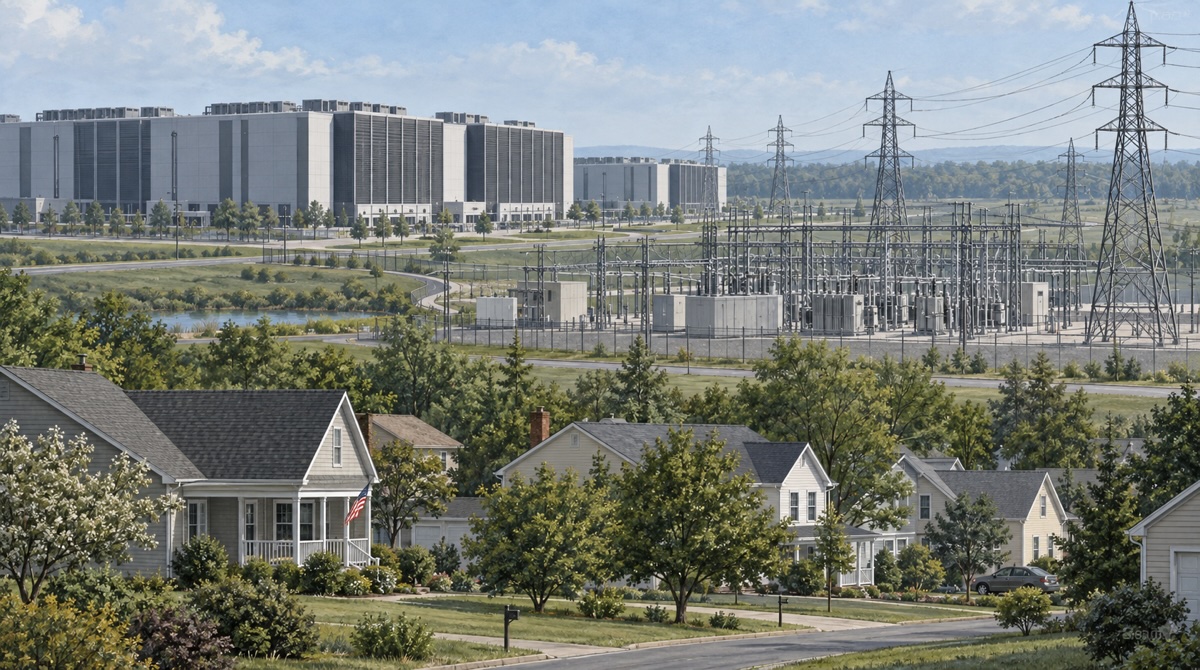
A bipartisan bill aimed at shielding households from the electricity infrastructure costs of AI data centers stalled in the US Senate on Thursday after a senior Democrat objected that it would leave protections optional.
Sen. Martin Heinrich of New Mexico blocked Republican Sen. Jon Husted’s request to pass the Ratepayer Protection Act by unanimous consent, a day after the House approved it 417-3. Republican Sen. Bernie Moreno then blocked Heinrich’s attempt to advance an alternative, leaving both proposals without expedited passage.
The dispute centers on whether Congress should require states to examine protections against higher utility bills or impose binding requirements on large electricity users. Both approaches seek to address who pays for the power infrastructure needed to support expanding data center demand.
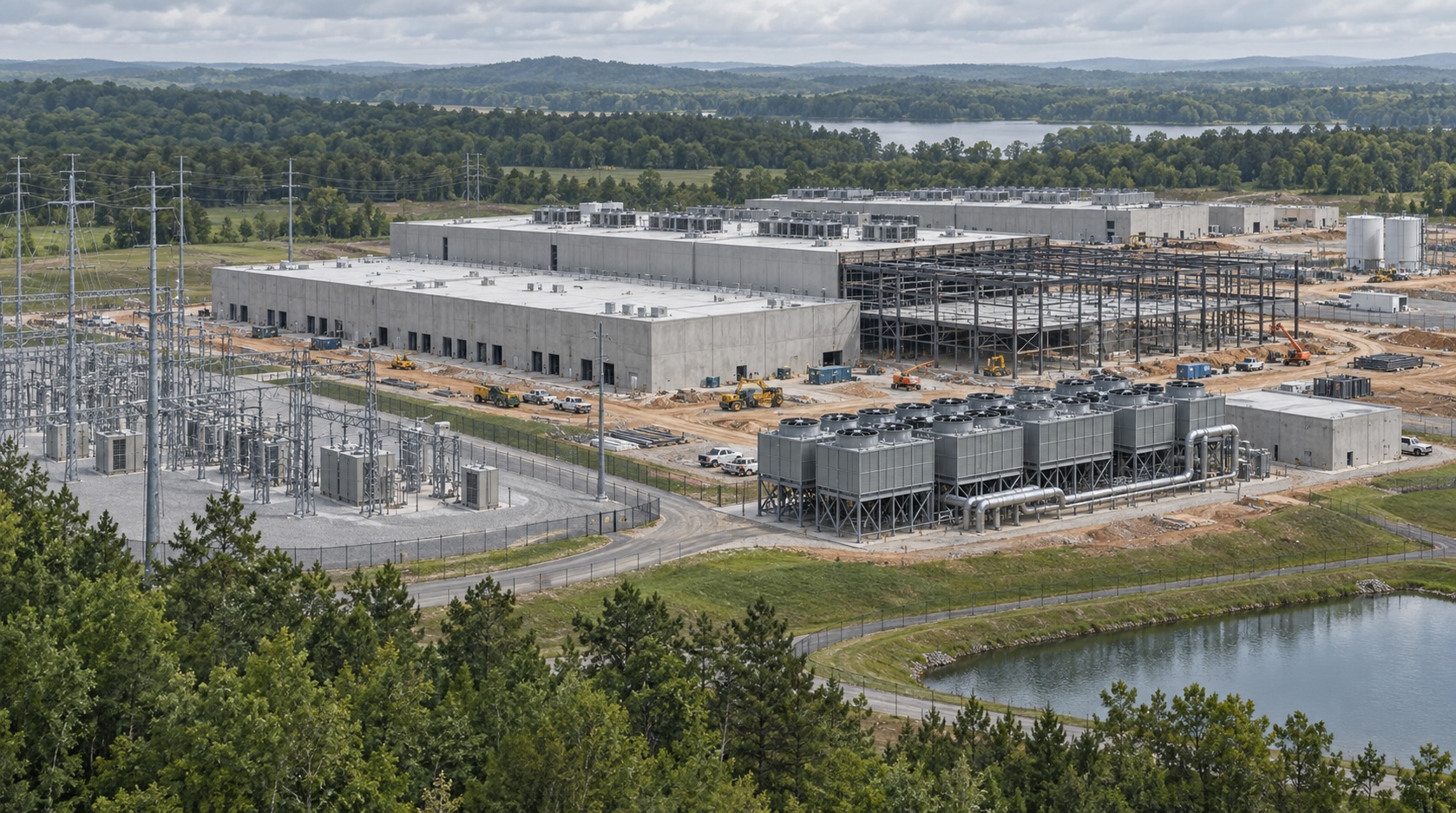
The House-passed measure would require state utility regulators to consider standards under which data centers with peak electricity demand of at least 100 megawatts would cover the additional infrastructure costs needed to serve them. Regulators could adopt or reject those standards, according to a Congressional Budget Office assessment. The legislation would therefore mandate a review, without guaranteeing that states make data centers pay.

The proposed standards include recovering the full additional cost of generation, transmission and distribution upgrades, as well as obtaining financial contributions or assurances before utilities undertake the work. Those provisions address the risk that utilities build infrastructure for a large customer and leave other users exposed to the expense.
Husted, an Ohio Republican, argued that the bill offered a practical opportunity to protect consumers following its overwhelming House approval.
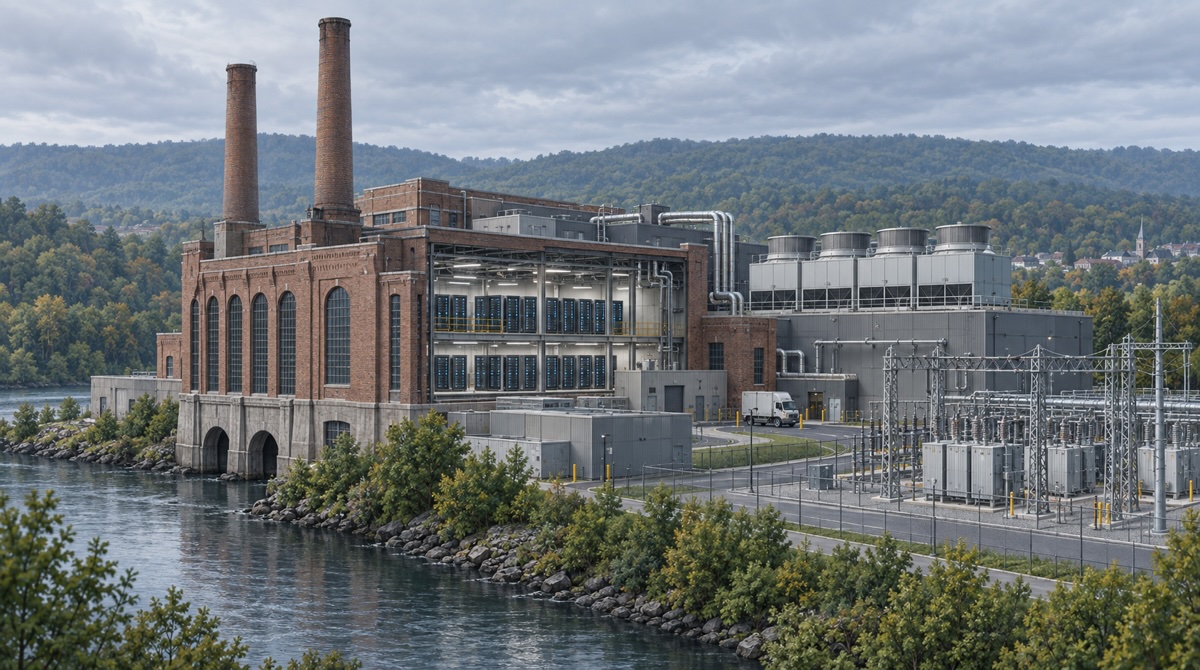
“In plain language, if you create the cost, you should pay the cost,” he said in remarks released by his office. Connecting a large data center can require investment in power generation, transmission lines, substations and local distribution systems, he said.
Heinrich, the top Democrat on the Senate Energy and Natural Resources Committee, said the legislation lacked sufficient enforcement. His GRID Savings Act would require large electricity customers such as data centers to pay for the facilities needed to connect them to the grid.
“Congress needs to pass real legislation with real teeth,” he said.
The debate comes as projected data center electricity consumption raises the stakes for utility investment. Lawrence Berkeley National Laboratory estimated in a report published in June that data centers could account for 11.8% of US electricity use by 2030, with scenarios ranging from 9.5% to 15.3%. Those forecasts depend on factors including equipment shipments and how intensively AI servers operate.
Utilities also disagree with aspects of the congressional approach. The American Public Power Association said it shares the goal of protecting existing customers but opposes the House bill’s new federal review requirement, arguing that many public utilities already have rates and contractual safeguards for large users or are developing them.