Galaxy’s Texas Expansion Faces Hurdle After Missing Base Load Status
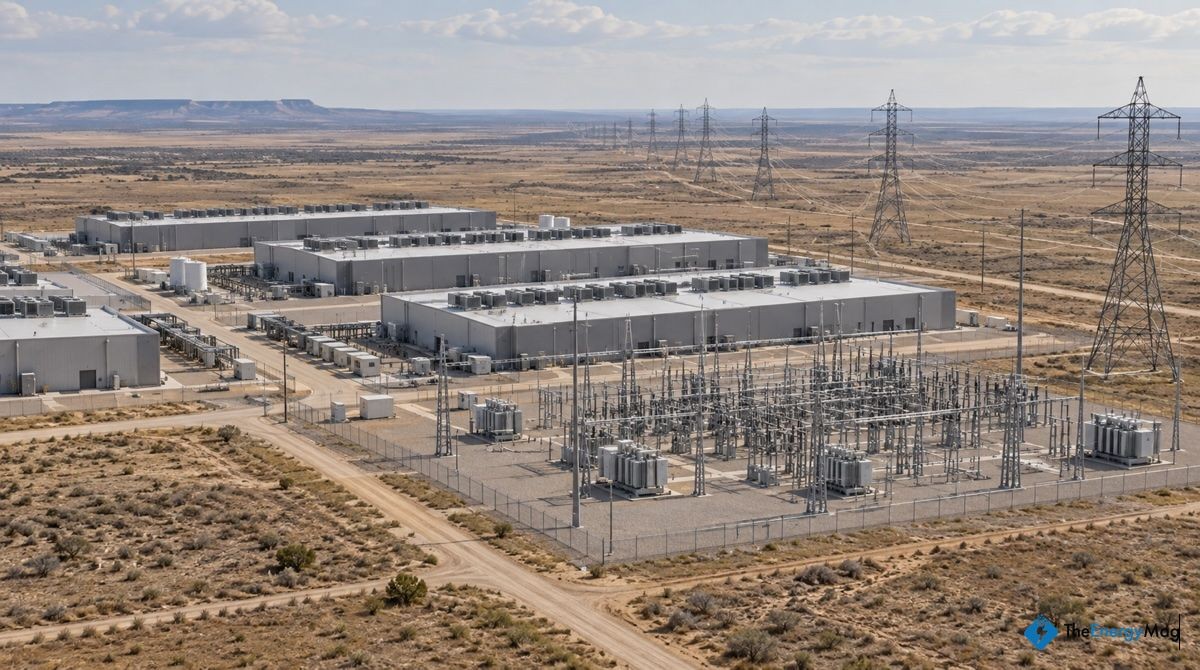
AI-generated image: synthetic visual, not an actual depiction of events, people, or locations.
Galaxy Digital’s proposed Caspian data center will have to compete for transmission capacity under a Texas grid review, a setback to the company’s requested treatment as it expands beyond its Helios campus.
The 700-megawatt project received a conditional Studied Load classification from the Electric Reliability Council of Texas, Galaxy said in a statement on Monday. The company had sought Base Load status, which would exempt Caspian from further capacity allocation under ERCOT’s Batch Zero study.
Two other expansion requests — the 900-megawatt Selene project and 1,000-megawatt Helios III — also received Studied Load classifications. Together, the three account for 2.6 gigawatts of proposed power demand still subject to allocation.
Galaxy’s previously approved Helios capacity received more favorable treatment. Helios I’s 800 megawatts and Helios II’s 830 megawatts were conditionally classified as Base Load. Galaxy said Helios II remains on schedule to receive power in 2028 and that leasing is unaffected. The classifications remain conditional.

The distinction separates an expansion pipeline still awaiting grid decisions from a campus already generating rental income. Galaxy said in July that it had delivered the first 133 megawatts of computing capacity at Helios to CoreWeave (NASDAQ: CRWV), with rent starting in the second quarter.
CoreWeave’s commitments span 526 megawatts of computing capacity, supported by 800 megawatts of gross power, under 15-year leases. Galaxy expects the agreements to generate more than $1 billion in average annual revenue. The larger power figure includes electricity needed to run the facility beyond its computing equipment.
The latest decisions come after ERCOT delayed classifications while checking project data. Texas utility regulators granted exceptions to the grid operator’s deadlines on Aug. 20, allowing conditional classifications before final determinations. ERCOT then postponed its planned Aug. 31 notifications, citing unfinished validation and due diligence, before issuing classifications on Sept. 3.