HIVE Launches GPU Cloud Cluster in Paraguay Supporting Columbia University AI Research

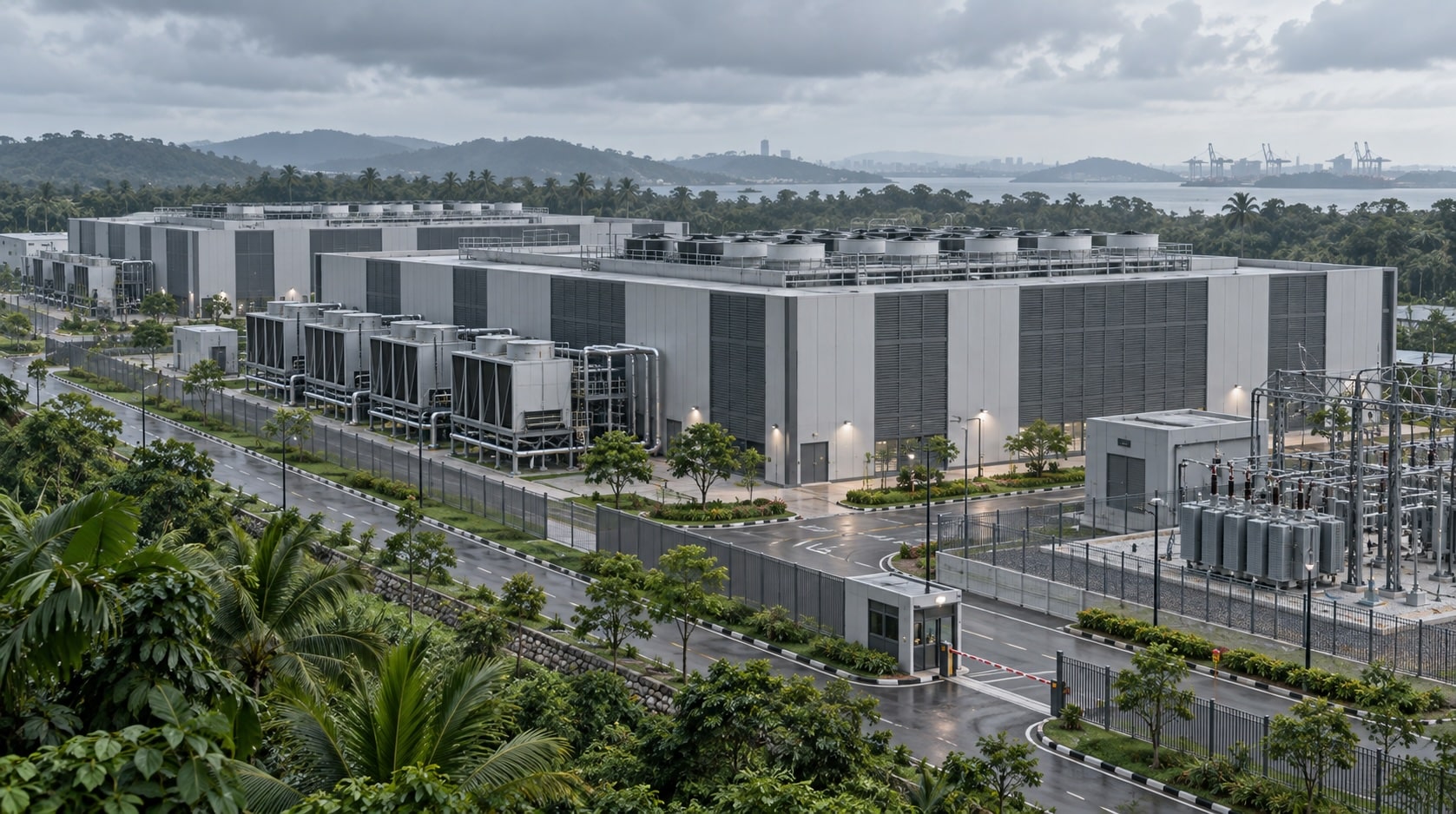
AI-generated image: synthetic visual, not an actual depiction of events, people, or locations.
Key Takeaways
- HIVE's BUZZ AI Cloud platform in Asunción, Paraguay, is now operational with live GPU compute nodes.
- Columbia University researchers are conducting large language model pre-training and optimization on the cluster.
- The infrastructure is powered by 300 MW of hydroelectric energy and hosted in a Tier-III data center.
- This deployment serves as a proof of concept for low-latency AI compute services between North and South America.
- HIVE plans to expand its HPC capacity in Paraguay based on research outcomes, customer demand, and capital availability.
HIVE Digital (NASDAQ: HIVE) Technologies Ltd. has announced the commencement of operations at its BUZZ AI Cloud platform located in Asunción, Paraguay. This deployment includes live GPU compute nodes and represents the initial phase of the company's strategy to integrate AI and high-performance computing infrastructure into its existing renewable energy assets in Paraguay.
The GPU cluster is situated within a Tier-III data center managed by Paraguay's largest telecommunications company. The facility is designed to support AI model training, inference, and other computationally demanding research tasks, leveraging HIVE's 300-megawatt renewable power supply derived from hydroelectric sources.
A research team from Columbia University in New York is currently utilizing the BUZZ Cloud infrastructure for a non-commercial project focused on large language model (LLM) pre-training, including training foundation models ranging from 0.2 billion to over 8 billion parameters.
The researchers are developing and testing optimization algorithms such as Muon and MuonClip, which aim to enhance model quality while reducing computational and memory requirements. Their work employs multi-GPU distributed training frameworks and evaluates performance using metrics like loss, perplexity, and downstream benchmarks.