NVIDIA, TSMC Integrate AI into Semiconductor Fabs
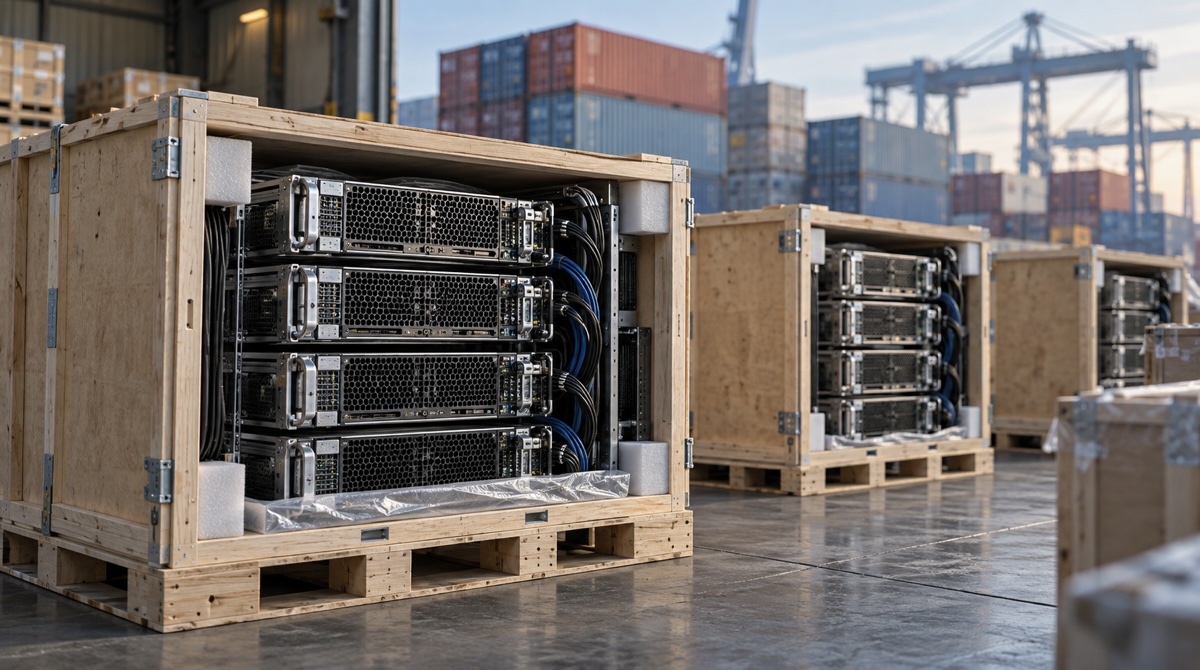
AI-generated image: synthetic visual, not an actual depiction of events, people, or locations.
Key Takeaways
- TSMC is using NVIDIA cuLitho to achieve a 20-50% improvement in cycle time or cost effectiveness for computational lithography.
- The cuEST library provides 50x faster chemistry simulations on average for semiconductor material design.
- TSMC is utilizing NVIDIA Metropolis and TAO Toolkit to improve detection of nanometer-scale defects using vision AI.
- The companies are developing FabTwin, a virtual fab environment built on NVIDIA Omniverse to simulate and optimize fab layouts.
NVIDIA said TSMC is using its accelerated computing and AI software across semiconductor design and manufacturing, extending the chipmaker’s role in artificial intelligence from supplying GPUs to helping optimize the fabs that make advanced chips.
The announcement, made Monday at NVIDIA GTC Taipei, adds another layer to the long-running partnership between NVIDIA and Taiwan Semiconductor Manufacturing Co., the world’s largest contract chipmaker and a critical manufacturing partner for NVIDIA’s AI processors. NVIDIA said TSMC is applying its CUDA-X libraries, AI models, Metropolis vision AI platform and Omniverse tools across areas including computational lithography, process simulation, defect inspection and fab operations.
The move comes as advanced-node manufacturing becomes increasingly dependent on large-scale simulation and real-time optimization. As chips shrink and designs grow more complex, manufacturers need to model physics, inspect wafers at nanometer scale, optimize production flows and manage thousands of process variables across increasingly automated fabs.
TSMC is using NVIDIA’s cuLitho, a GPU-accelerated computational lithography library, to improve the cost effectiveness or cycle time of chip-mask design by 20% to 50% compared with CPU-based workflows, according to NVIDIA. The foundry is also using cuEST, an electronic structure simulation library, for chemistry simulations used in semiconductor material design, with NVIDIA saying the tool can deliver average speedups of 50 times.
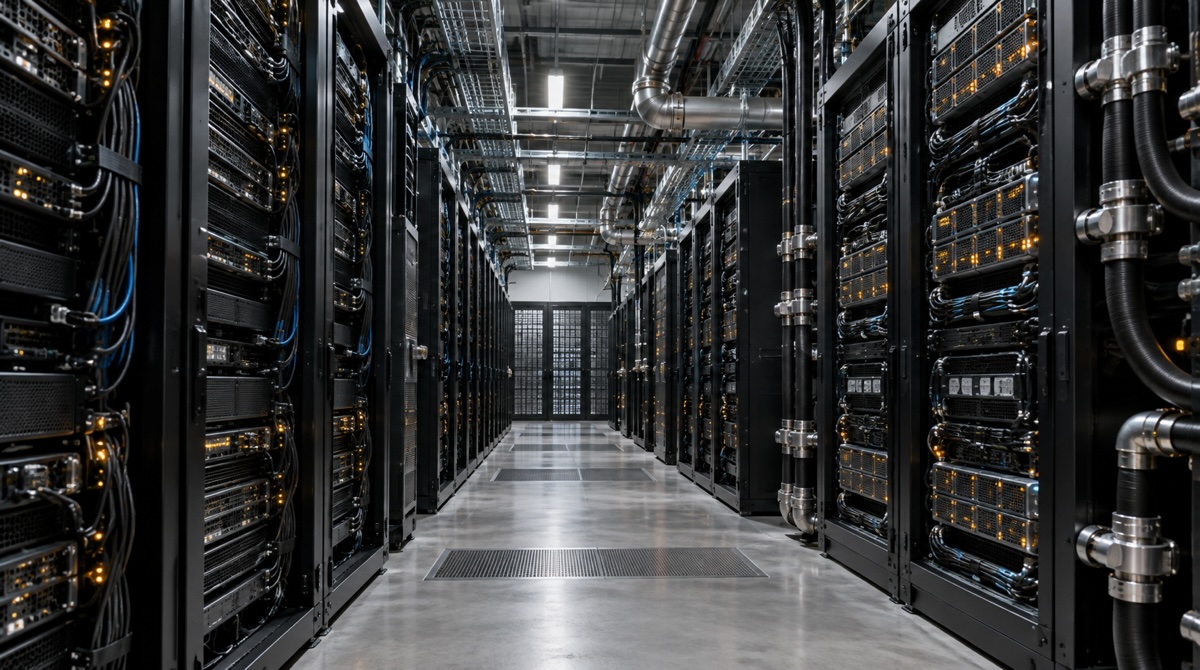
Beyond design and simulation, NVIDIA said TSMC is applying its cuML machine-learning library to process-control analytics, where fabs need to analyze large volumes of data from hundreds of thousands of parameters across thousands of manufacturing steps. The goal is to reduce process variation, a key factor in improving yield as chips move into high-volume production.
The companies are also extending AI into fab operations. NVIDIA said TSMC has used CUDA-powered scheduling computation on H200 GPUs to improve fab productivity by helping manage complex production constraints and streamline manufacturing paths.
Inspection is another focus. TSMC is using NVIDIA Metropolis and the TAO Toolkit to improve defect classification through vision AI, with the aim of detecting nanometer-scale defects while reducing the need to repeatedly label data and retrain models as tools, defect types and process conditions change.
TSMC is also exploring NVIDIA Omniverse libraries to build FabTwin, a virtual fab environment for evaluating process-tool layouts and simulation workflows. The idea is to test production-layout scenarios digitally before making physical or capital commitments, allowing engineers to identify constraints earlier in the planning process.
The announcement highlights how AI is increasingly being deployed not only as an end market for chips, but also as a tool for making them. NVIDIA has been positioning accelerated computing, simulation and digital twins as core technologies for industrial AI, while Taiwan remains central to the global AI supply chain. NVIDIA’s GTC Taipei conference runs June 1-4 and is focused on AI infrastructure, physical AI, robotics and accelerated computing.
The tighter integration also underscores Taiwan’s strategic importance to NVIDIA. Jensen Huang last week described Taiwan as the “epicentre” of the AI revolution and said NVIDIA’s annual spending in Taiwan has grown sharply as it works with TSMC and other manufacturing partners on AI chips, servers and infrastructure.
For TSMC, the adoption of NVIDIA tools points to a broader shift in semiconductor manufacturing: fabs are becoming AI-optimized computing environments in their own right. The same surge in AI demand that is pushing chip complexity higher is also forcing manufacturers to use more AI and accelerated computing to keep pace with yield, throughput and energy-efficiency demands.
This article was generated with the support of our AI agent, which has been rigorously trained under the supervision of well-qualified journalists. While we strive for the highest quality in every article, if you find anything amiss, please contact us to let us know.
RELATED NEWS
MORE NEWS
NVIDIA and Microsoft Launch RTX Spark Superchip for Local AI Agent Integration
11h ago

IREN Deepens NVIDIA Partnership With $3.4 Billion AI Cloud Agreement
May 7, 2026

NVIDIA Launches DSX Platform to Standardize AI Factory Infrastructure and Grid Interaction
12h ago

Bitdeer Brings In Ex-Corsair CFO as Bitcoin Miner Pushes Further Into AI
5d ago

NVIDIA Reports $215.9 Billion in FY2026 Revenue as Data Center Networking Surges 142%
May 12, 2026

IREN Signs $1.6 Billion Agreement with Dell for Blackwell AI Infrastructure
5d ago