Tether’s $120M Uruguay Bitcoin Mining Bet Ends in Power Dispute
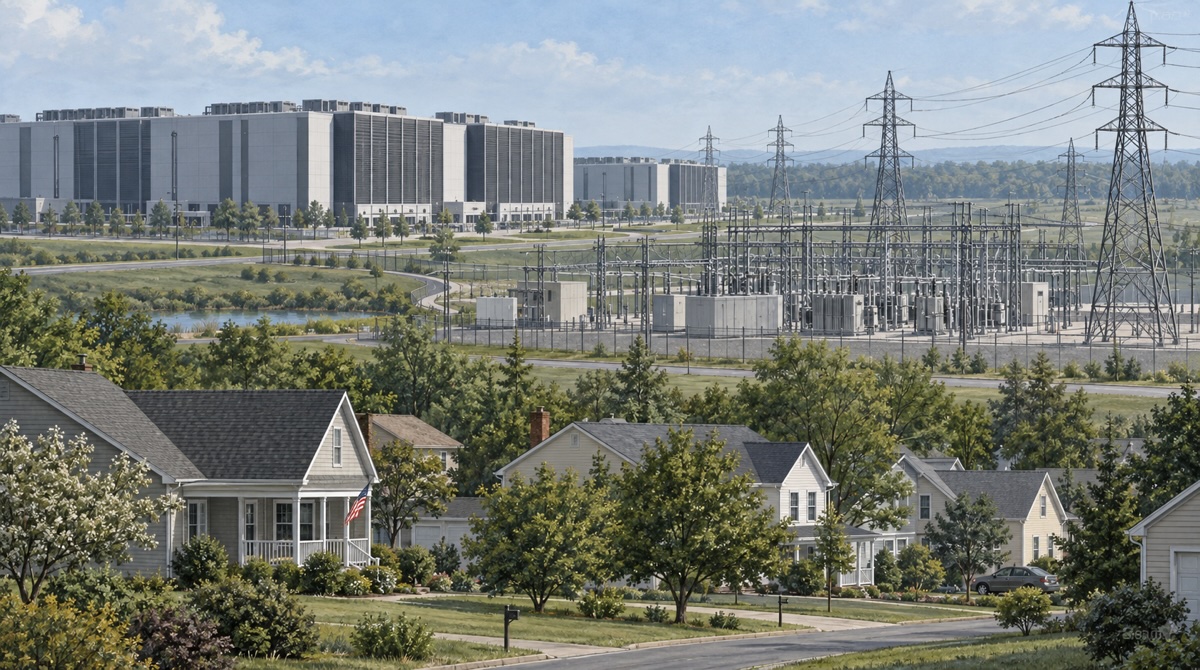
AI-generated image: synthetic visual, not an actual depiction of events, people, or locations.
Tether abandoned a roughly $120 million Bitcoin mining investment in Uruguay after a dispute with the state power company escalated into unpaid bills, an electricity cutoff and layoffs, according to a Reuters investigation.
The collapse left little to show for what had been intended as Tether’s testing ground for a broader expansion across South America. It also illustrates the vulnerability of Bitcoin mining to power costs and contract terms, even in countries with abundant renewable electricity.
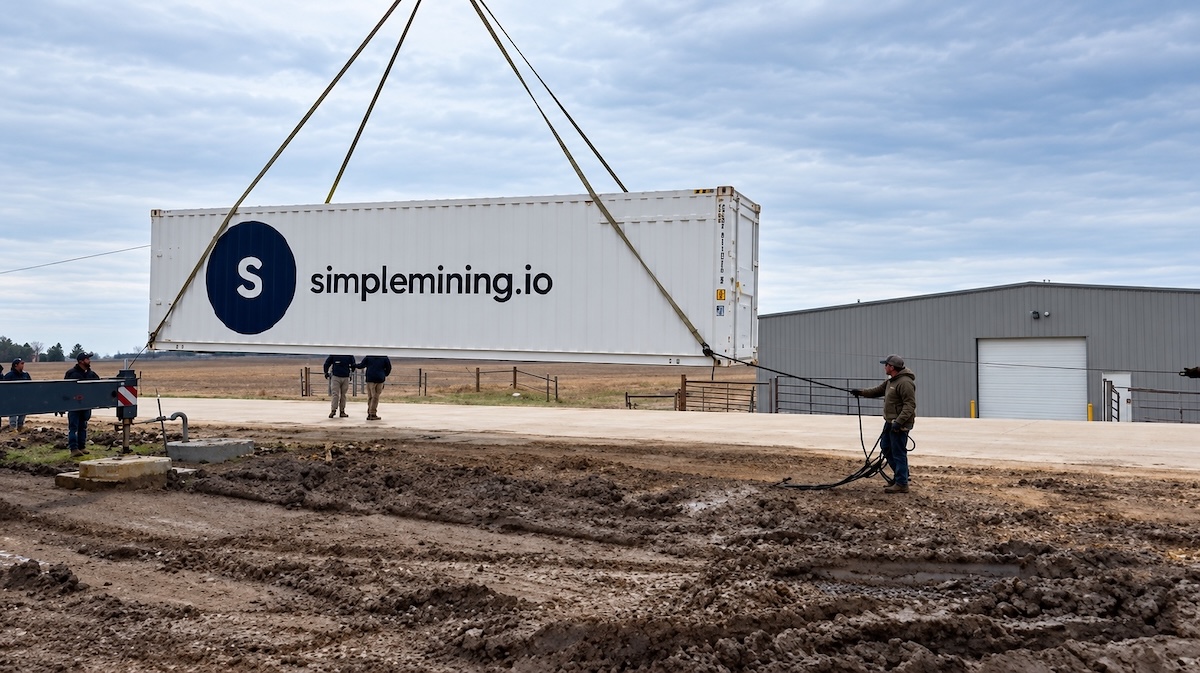
Tether invested about $60 million in each of two sites in Uruguay’s rural Florida department, Reuters reported, citing a former contractor’s assessment. The company never disclosed the investment’s value. At roughly $120 million, the project would equal about 6% of Uruguay’s annual foreign direct investment, which Reuters put at around $2 billion.
The stablecoin issuer entered Uruguay in May 2023, describing the country as an attractive base because of its renewable-energy resources and established electricity grid. Tether said at the time that it would invest in energy production and launch sustainable Bitcoin-mining operations with a locally licensed company, though it provided few financial or operating details in its announcement.

Operations initially generated revenue, according to former contractors interviewed by Reuters. The relationship later deteriorated over how much electricity the sites were entitled to receive from UTE, Uruguay’s state-owned utility.
Tether understood a figure in its power contract as a minimum supply allocation that could subsequently be increased, while UTE treated it as a ceiling, Reuters reported. As electricity demand at the facilities increased, the sites sometimes went without sufficient power for days.
The disagreement was underway by November 2024. It intensified the following year after President Yamandú Orsi’s left-leaning government took office and installed new leadership at UTE, according to Reuters’ interviews. One former contractor said the utility’s new directors took a harder line in negotiations, though Tether and its Uruguayan entity, Microfin, did not respond to Reuters’ requests for comment on the contract.
Microfin stopped paying its electricity bills in May 2025 and told UTE the following month that it intended to terminate the contracts, according to an internal utility briefing reviewed by Reuters. UTE approved revised contract documents in an effort to preserve the project, but Tether representatives did not attend the signing.
UTE cut electricity to the mining sites on July 25, 2025. Local reporting at the time put Microfin’s arrears at nearly $5 million and its monthly power bill at about $2 million. The debt had surpassed the guarantee provided by the company, El Observador reported.
Tether notified Uruguay’s labor authorities on November 25 that it would cease operations. The closure eliminated 30 of the company’s 38 local jobs, according to Teledoce. UTE told Reuters that Microfin settled its outstanding debts in December.
The failure is notable because Uruguay’s electricity system initially appeared well suited to Tether’s stated strategy of linking cryptocurrency mining with clean power. Renewable sources supplied 98% of the country’s electricity generation in 2025, led by hydroelectricity and wind, according to Uruguay’s Ministry of Industry, Energy and Mining.
But renewable supply does not necessarily mean low electricity prices. Bitcoin miners compete largely on their ability to obtain cheap, continuous power because their specialized computers operate around the clock. Uruguay offers a reliable grid and strong connectivity, but industry specialists cited by Reuters said its power costs make it less competitive for mining than neighboring markets.
Those pressures have increased since Bitcoin’s April 2024 “halving,” a programmed event that cut the reward earned for processing a block of transactions by half. Miners have responded by installing more efficient machines, relocating to lower-cost power markets or adapting infrastructure for artificial intelligence and high-performance computing.
For Tether, the loss is small relative to the profits generated by its core stablecoin business but exposes the execution risks in its expansion beyond digital tokens. The privately held company reported more than $10 billion of profit in 2025 and said its portfolio of proprietary investments exceeded $20 billion at year-end. Those investments span energy, artificial intelligence, media, agriculture and other sectors and are kept separate from the reserves backing its USDT stablecoin, according to Tether’s financial disclosure.
Tether continues to promote Bitcoin mining as part of that diversification strategy and says it has deployments elsewhere, including El Salvador. The Uruguay retreat, however, shows that access to renewable electricity alone is not enough: for large-scale mining, the price, quantity and contractual certainty of the power supply can determine whether an entire investment survives.