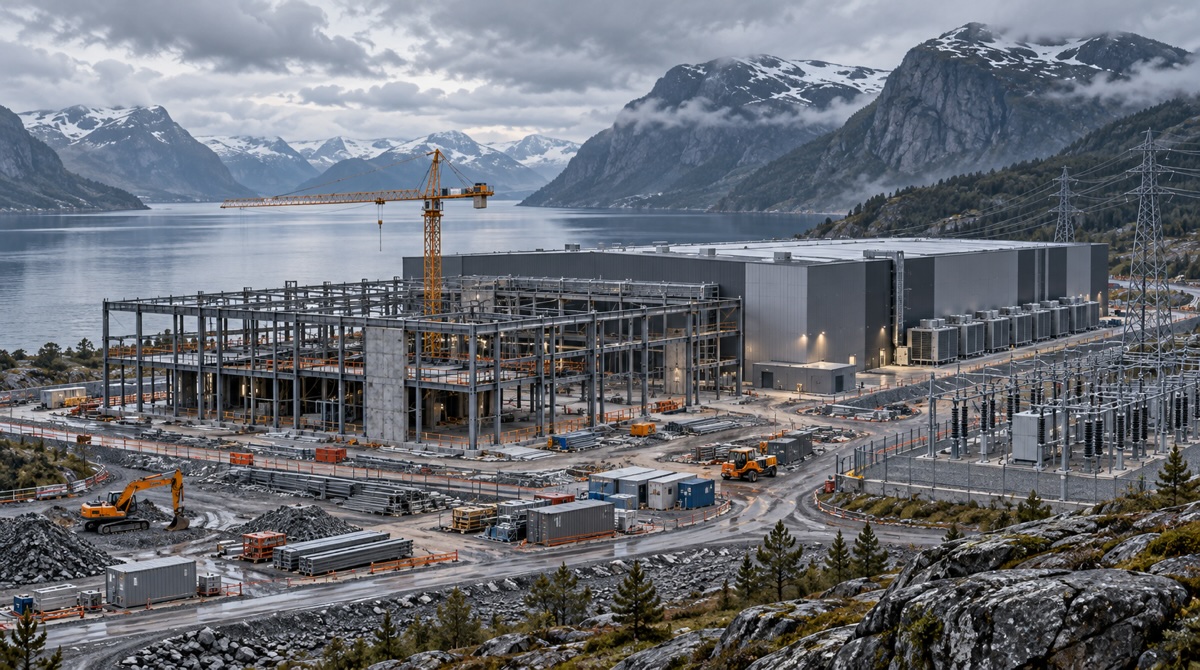
The company also disclosed that electrical commissioning problems have interrupted service and billing at its flagship NC-1 campus, where approximately 35 MW of a contracted 40 MW IT deployment is now operational.
The developments highlight both the opportunity and execution challenges facing AI infrastructure developers seeking to convert industrial properties into revenue-generating data centers.
Industrial Properties Offer a Path to 200 MW
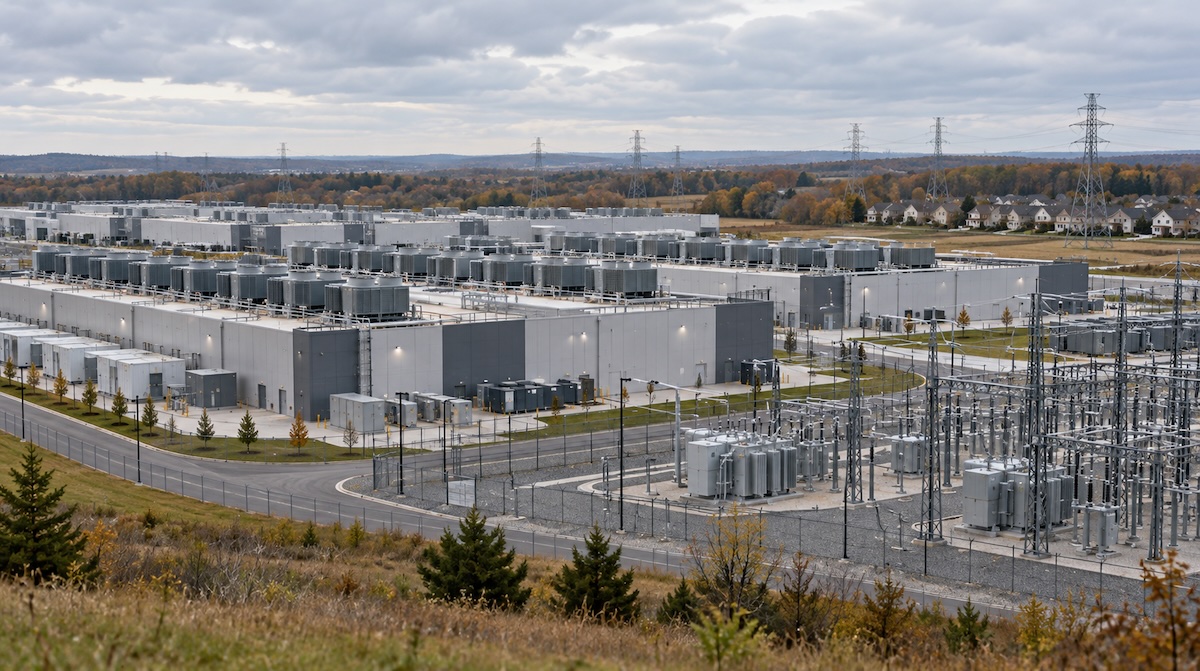
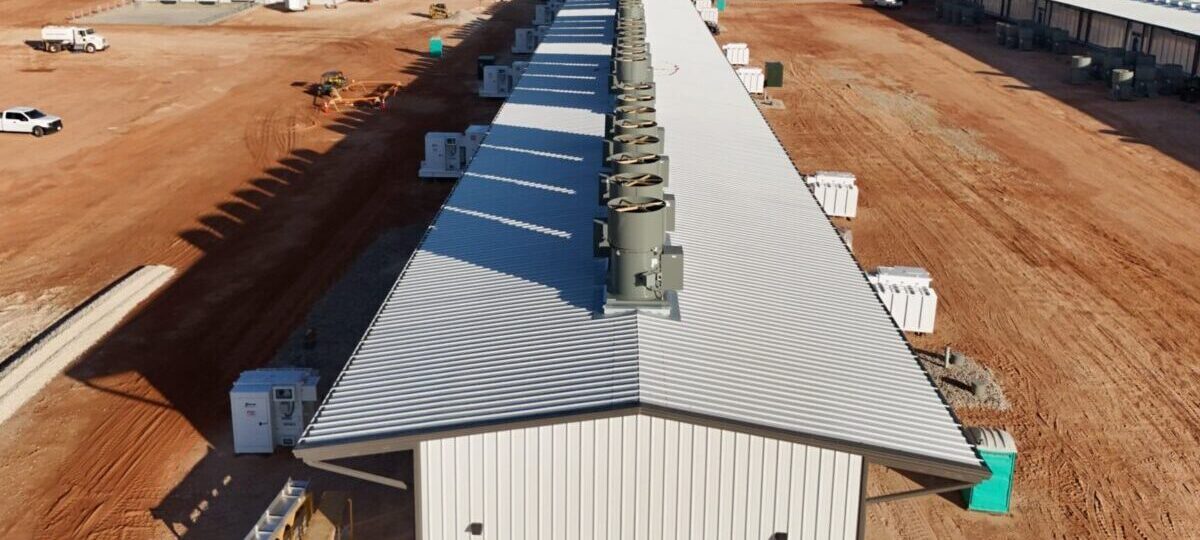
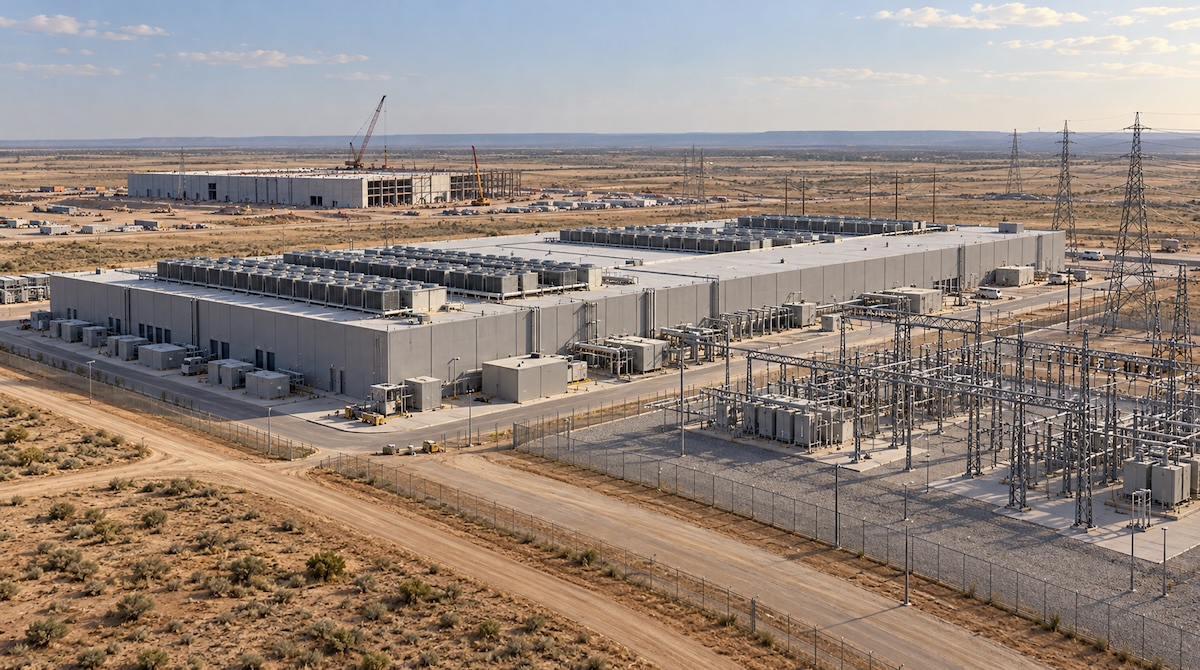
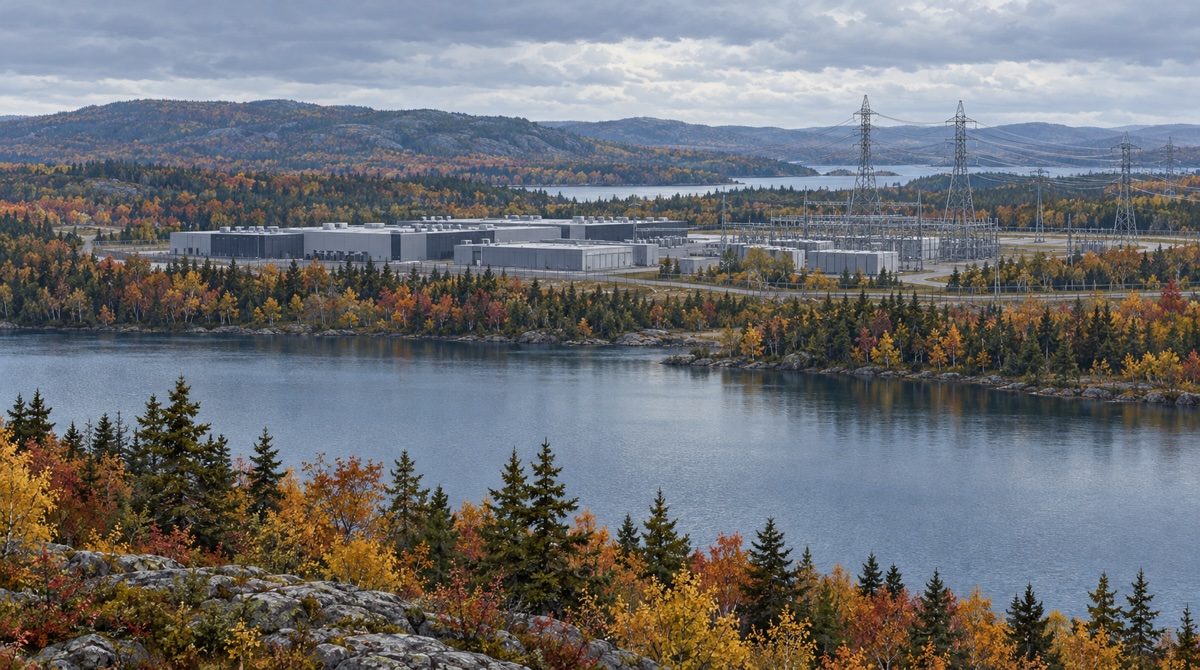
Located approximately 55 miles from WhiteFiber's NC-1 campus in Madison, the newly acquired properties will be converted into AI data centers using existing industrial buildings and infrastructure.
WhiteFiber originally announced the acquisition agreement in August, identifying Unifi Manufacturing as the seller.
The company's retrofit strategy is designed to shorten development timelines and reduce capital requirements compared with constructing entirely new facilities.
The properties are expected to support at least 60 MW of initial gross electrical supply, with longer-term expansion potential approaching 200 MW.
However, gross utility capacity differs from critical IT load, the electricity directly available to computing equipment. A portion of a facility's total power supply is consumed by cooling, electrical distribution and other supporting infrastructure.
WhiteFiber has not disclosed how much IT capacity the two sites would ultimately provide, their expected development costs or the timing of individual expansion phases.
The potential 200 MW represents an estimated future power supply opportunity, not capacity already delivered or guaranteed by the utility.
The company said it intends to align development spending with definitive customer agreements and financing arrangements.
Customer Interest Builds, but Agreements Remain Non-Binding
WhiteFiber said it has received non-binding letters of intent from prospective customers for capacity at NC-2 and NC-3, as well as potential expansion at its existing NC-1 campus.
The proposals include interest from investment-grade counterparties and arrangements supported by investment-grade credit.
Chief Executive Officer Sam Tabar said the company's priority is to convert customer interest into long-term contracts while ensuring that development is supported by appropriate financing.
The distinction matters because non-binding letters of intent do not establish committed revenue or guarantee that prospective customers will ultimately lease capacity.
WhiteFiber has not disclosed the identities of the prospective customers, the amount of capacity covered by the proposals or their potential contract values.
As part of the acquisition, the seller will continue occupying portions of the properties through occupancy and partial leaseback arrangements.
WhiteFiber expects the agreements to offset some property carrying costs while development progresses, although it did not quantify the anticipated income.
NC-1 Commissioning Issues Delay Full Contracted Billing
Alongside the expansion announcement, WhiteFiber provided a more consequential update on its existing NC-1 campus, which is central to the company's near-term operating and financial performance.
The facility has a 10-year colocation agreement with AI infrastructure provider Nscale covering 40 MW of IT load, representing approximately $865 million in total contracted revenue, including annual escalators and other contract charges.
During its second-quarter earnings call in August, WhiteFiber said it expected the entire contracted deployment to reach full run-rate billing by the end of that month.
That milestone has not yet been achieved.
In Tuesday's announcement, the company said switchgear-related commissioning issues interrupted service and billing for the first 20 MW IT data hall, delaying the ramp to full contracted revenue.
Approximately 35 MW of the 40 MW deployment is now operational, with work continuing to bring the remaining 5 MW online.
The disclosure marks a departure from the company's August assessment, when management said earlier switchgear delivery and commissioning problems had been resolved.
WhiteFiber did not specify when the remaining capacity is expected to become operational or when full contracted billing will begin.
The company said capital investment required for the initial deployment is substantially complete, with total development costs still expected to remain within its original budget.
However, it has not quantified the revenue impact of the service and billing interruptions.
The delay underscores the difference between securing a long-term data center lease and realizing its expected financial contribution. Revenue recognition and billing depend on successfully commissioning infrastructure and meeting applicable service obligations.
Project Financing Remains Unresolved
WhiteFiber also said it is continuing discussions with a prospective lending group to finance the initial contracted deployment at NC-1.
The parties are working through remaining documentation and closing requirements, but the financing has not been finalized.
The company cautioned that there is no assurance the transaction will close.
The financing process has been underway for several months. In its second-quarter earnings report, WhiteFiber disclosed that it had entered into an exclusive process with a consortium of lenders for proposed secured financing tied to NC-1.
At June 30, the company reported approximately $60.4 million in cash and restricted cash. Its liquidity position has since been affected by subsequent financing and investment activity, including the newly completed $60 million property purchase.
An updated balance sheet will therefore be important for understanding how WhiteFiber intends to finance its existing projects and newly acquired development pipeline.
The company is scheduled to report third-quarter results on November 10.
Local Opposition Adds Another Consideration
The North Carolina acquisition also comes amid growing scrutiny of data center development by local governments.
In August, Yadkin County commissioners approved a two-year moratorium on new data center development in unincorporated areas of the county.
However, local public radio station WFDD reported that the restrictions do not apply to WhiteFiber's planned facilities within Yadkinville town limits.
The Town of Yadkinville subsequently confirmed in an August 27 statement that it would not impose a separate data center moratorium.
The distinction removes one potential local regulatory obstacle, although the projects remain subject to applicable permitting, utility and development requirements.
WhiteFiber has said it intends to work with local stakeholders as the projects advance.
November Earnings Will Test the Expansion Narrative
The latest announcement expands WhiteFiber's North Carolina development footprint but leaves several financial and operational questions unresolved.
The company now owns two additional industrial properties with substantial potential future power capacity, but customer commitments remain non-binding, development financing has not been detailed and initial service is targeted for late 2027.
At NC-1, the existing long-term customer agreement provides greater revenue visibility, yet commissioning issues have delayed full billing and project financing remains incomplete.
That distinction is likely to be central to investor scrutiny when WhiteFiber reports third-quarter results on November 10.
Key questions include the extent of the billing interruption at NC-1, the timeline for completing its remaining 5 MW, progress toward closing project financing, and how the $60 million acquisition affects liquidity and future capital requirements.
For WhiteFiber, the next phase of growth will depend not only on acquiring properties with access to power, but also on converting development opportunities into fully operational, financed and contracted AI infrastructure.