Hut 8 Wins Poolin Auction With $140 Million Bid as AI Fuels Race for Power
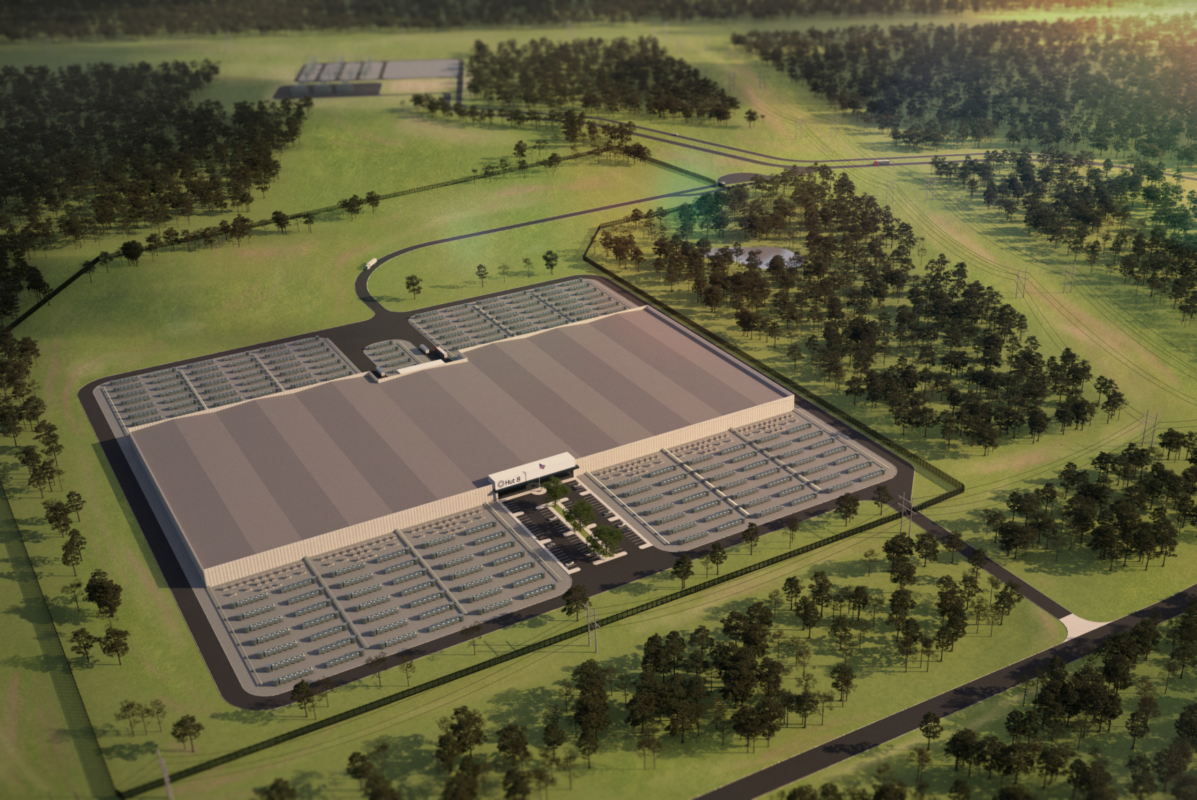
Hut 8 (NASDAQ: HUT) has emerged as the winning bidder for bankrupt Poolin’s West Texas mining assets with a $140 million offer, as competition for power access in the AI data center race draws buyers to infrastructure left behind by struggling bitcoin miners.
The offer comprises cash and other consideration, according to an amended auction results notice filed on Wednesday in the U.S. Bankruptcy Court for the District of New Jersey. It remains subject to signed asset purchase agreements, closing conditions and court approval.

The September 10 auction also attracted a Fluidstack designee. Pecos Industrial Development LLC, bidding on behalf of the AI infrastructure company, was named backup bidder for the Tarbush assets at $100.5 million. DigiPower X was selected as backup bidder for Pyote at $36.5 million. Together, those offers total $137 million, just $3 million below Hut 8’s bid.
The winning offer is $88 million above the combined $52 million opening bids from Thor CALAP LLC. Thor had offered $15 million for the Pyote property and associated assets and $37 million for Tarbush’s power rights and equipment, establishing the starting point for the bankruptcy auction.
The bidding illustrates how existing power rights and electrical infrastructure can attract a different set of buyers when a mining business fails. Poolin’s management explicitly linked its sale strategy to rising AI and high-performance computing demand, saying in its July court declaration that marketing its energy capabilities to those users would maximize asset value. Its advisers contacted more than 335 potential buyers and investors, including data center operators, hyperscalers and cryptocurrency miners.
Grid access is a constraint on that expansion. In June, Texas grid operator ERCOT said it was tracking more than 438 gigawatts of large-load connection requests, nearly 89% from data centers. Those figures represent requested connections, rather than operating demand or a forecast that every project will be built.
Regulators approved a grouped study process to assess projects together, allocate available capacity and identify transmission upgrades after individual reviews became lengthy and repetitive.
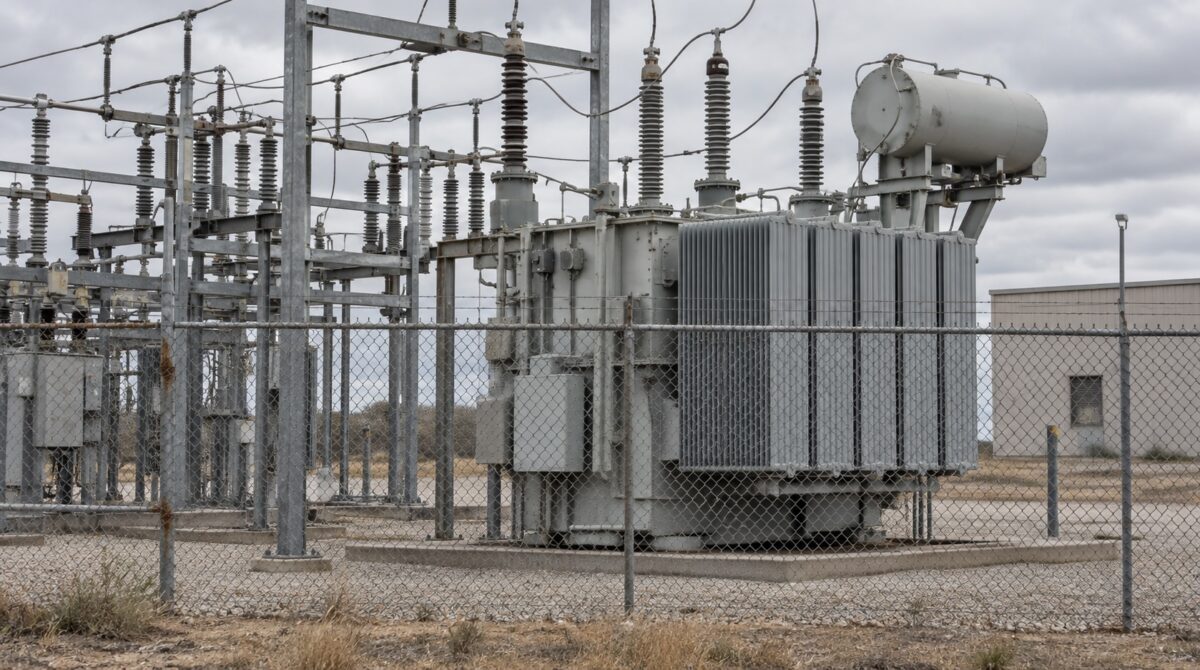
That bottleneck helps explain the appeal of sites with established power infrastructure. Hut 8 describes acquiring interconnections, substations and switchyards as the foundation of its data-center development business. The auction result does not, however, establish that Poolin’s sites are ready to accommodate AI workloads or that their historical power allocations can be transferred unchanged.
Hut 8 has already expanded into large AI infrastructure projects. It reported 949 megawatts of contracted AI data-center IT capacity and approximately $26.6 billion in expected base-term contract value in its August 4 earnings release.
However, Poolin’s own Texas expansion struggled with a gap between expected and available power. According to the declaration by Chief Restructuring Officer Michael DuFrayne, early discussions envisaged allocations of up to 600 megawatts, but the sites initially received only 100 megawatts. The company ordered excess mining equipment and subsequently sold surplus machines at a loss.
Singapore-based Poolin Technology and its U.S. affiliates, Lonestar Dream and Lonestar Taproot, filed for Chapter 11 on July 22 after Lonestar Dream stopped mining and hosting operations on July 10. The group entered bankruptcy with about $173.1 million in obligations, including roughly $163.7 million in unsecured IOUs issued after Poolin Wallet froze withdrawals in 2022.
The higher bid could increase proceeds available to creditors, but the notice does not break out the cash portion or estimate distributions to wallet customers. A sale hearing before Judge Eamonn J. O’Hagan is scheduled for September 29 at 11 a.m. Eastern time, with objections due September 25.