Canaan Reaches Record Crypto Holdings and Expands Mining Capacity in April 2026

AI-generated image: synthetic visual, not an actual depiction of events, people, or locations.
Key Takeaways
- Cryptocurrency treasury reached a record 1,826 BTC and 3,952 ETH by April 30, 2026.
- Non-joint venture installed hashrate increased 34.6% year-over-year to 10.97 EH/s.
- Self-mining and joint venture operations produced a combined total of approximately 138 BTC in April.
- Global fleet efficiency improved to 23.6 J/TH, down from 27.4 J/TH in the same month last year.
- Secured a follow-on order from Tether for immersion-cooled mining hardware for South American deployment.
In April 2026, Canaan (NASDAQ: CAN)'s proprietary mining activities yielded 90 BTC, supplemented by 3 BTC received through client transactions. Its joint venture interests, primarily located in West Texas, contributed an additional 48 BTC. By the end of the month, the company's balance sheet held a record 1,826 BTC and 3,952 ETH after accounting for operational expenses.
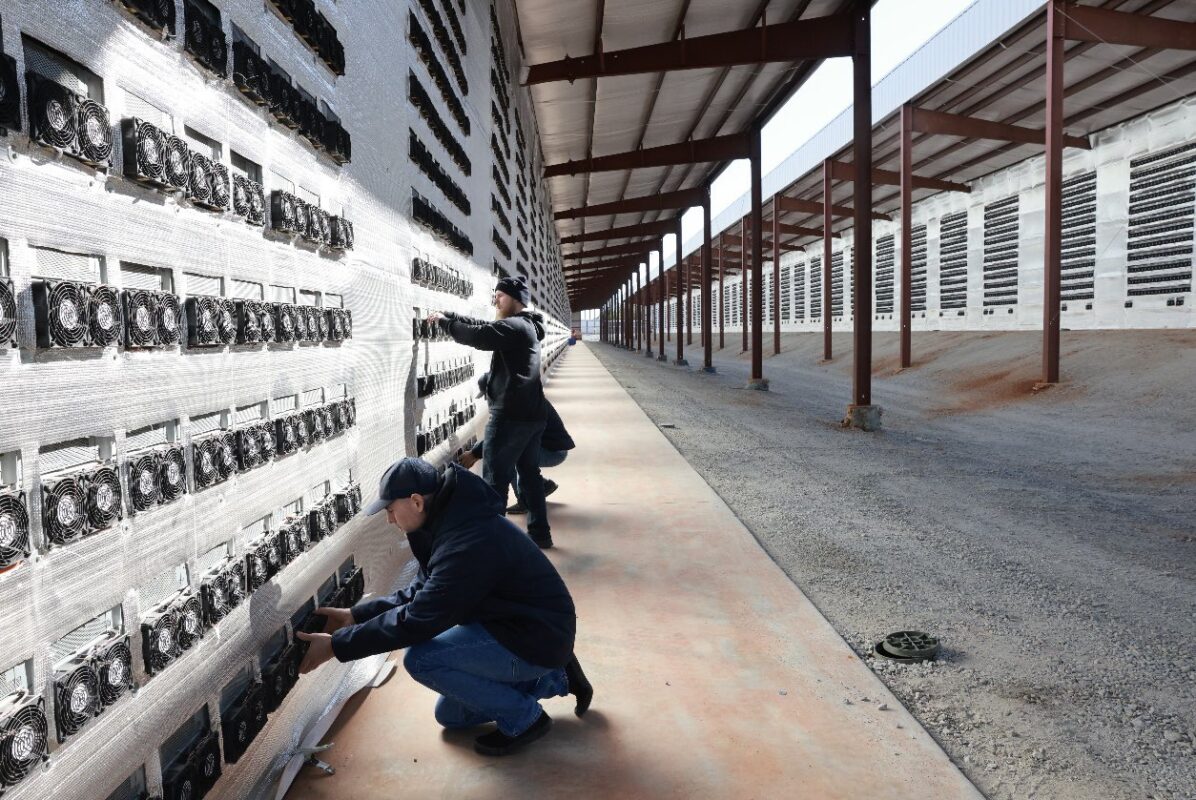
The firm's independent installed hashrate rose to 10.97 EH/s, while its active operating hashrate reached 6.86 EH/s. These figures represent year-over-year gains of 34.6% and 10.6%, respectively. Technical efficiency also improved, with the global fleet moving from 27.4 J/TH to 23.6 J/TH over the past year. The average cost of electricity for the period was $0.044 per kilowatt-hour.
Canaan's joint venture operations, where it holds a 49% interest in three Texas facilities, reported an installed hashrate of 4.82 EH/s and an operating hashrate of 4.35 EH/s. These sites utilize 120 MW of power capacity. Globally, the company manages 13 projects across five nations, with a total non-JV power capacity of 266.3 MW, including 108.8 MW in North America.
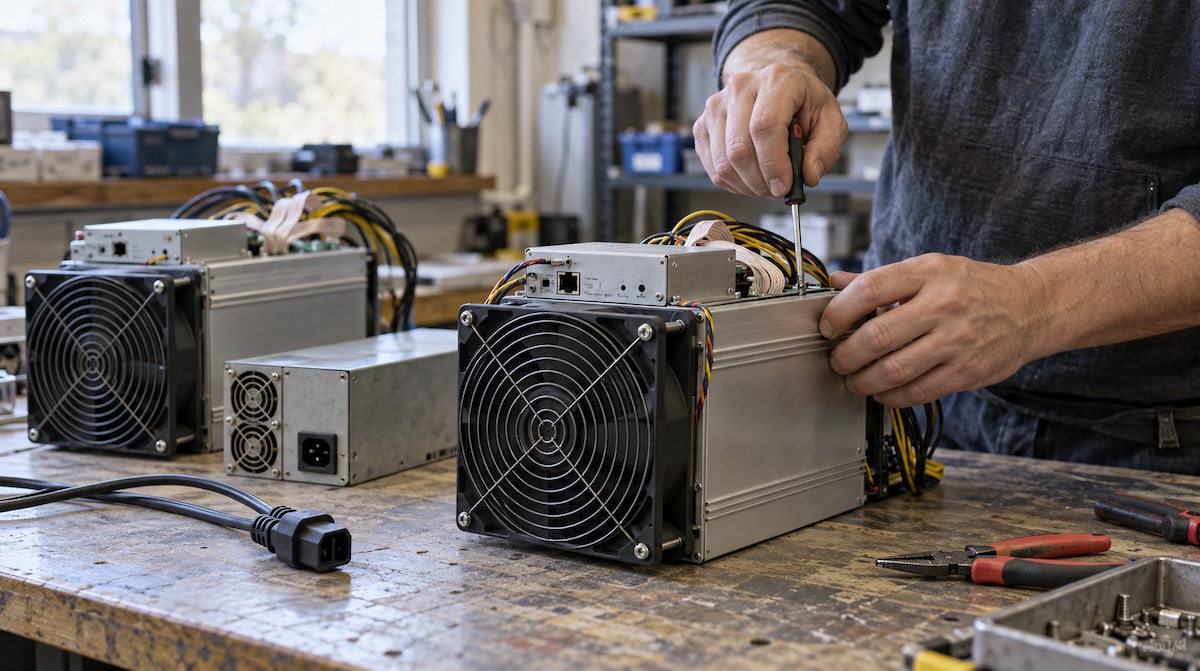
On the corporate front, Canaan secured a new order from Tether for specialized high-density hash board modules. These components are designed for next-generation immersion-cooled computing environments. The equipment is intended for use at a Tether-linked mining site in South America, following a successful research collaboration in 2025.