Ionic Revenue Rises 31% as AI Leasing Replaces Bitcoin Mining

Ionic Digital Inc. reported a 31% increase in second-quarter revenue as income from leasing infrastructure for AI workloads largely replaced its legacy bitcoin mining business.
Revenue rose to $48.6 million in the three months ended June 30 from $37.2 million a year earlier, the company said in its first earnings release since going public. Digital infrastructure leasing contributed $43.8 million, or 90% of the total, while bitcoin mining revenue fell to $4.8 million from $37.2 million.
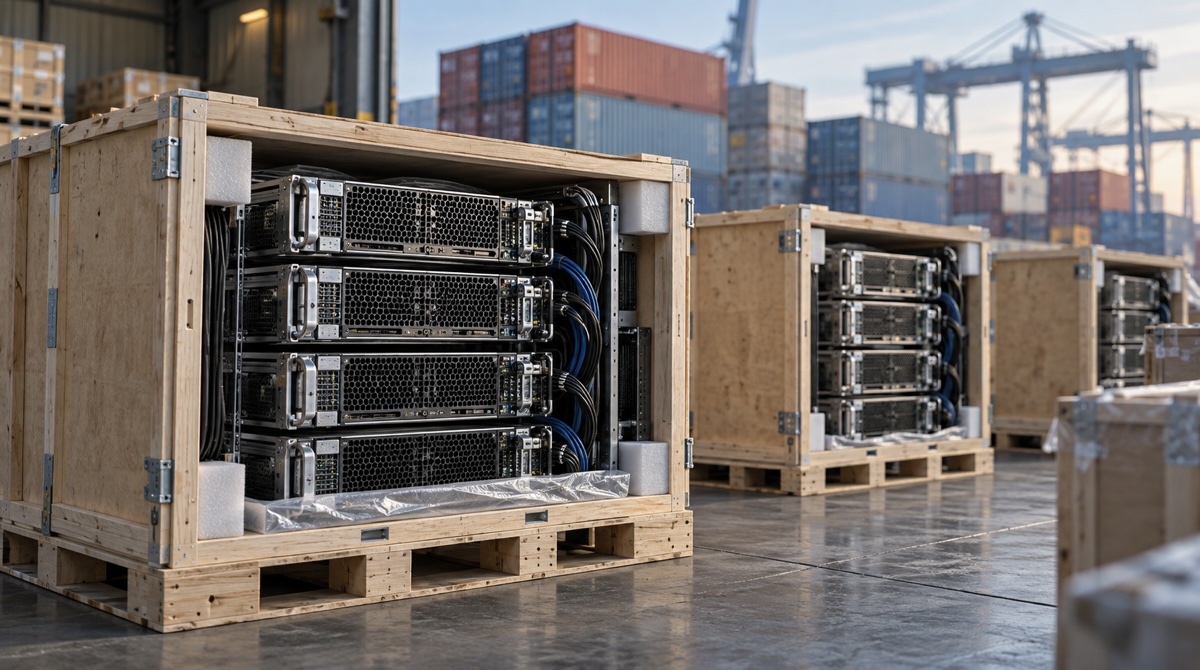
The results show how quickly Ionic’s business has shifted toward contracted data-center revenue. Its Ward County, Texas, property stopped mining bitcoin in December and is now leased to AI infrastructure provider Nscale.
Adjusted earnings before interest, taxes, depreciation and amortization rose to $37.6 million from $3.8 million a year earlier. Revenue and adjusted Ebitda both slightly exceeded preliminary ranges Ionic issued in July.

The company nevertheless posted a net loss of $35.3 million, or 94 cents a share, compared with net income of $31.9 million, or 85 cents, a year earlier. The latest result included a $28.2 million noncash loss tied to the fair value of its cryptocurrency holdings and a $27.2 million income-tax provision. The year-earlier result benefited from gains on bitcoin values and sales.
Gross profit was $40.5 million, compared with a $2 million loss a year earlier. Excluding depreciation, adjusted gross profit rose to $45.4 million from $14.9 million.
Ionic reaffirmed its 2026 outlook for revenue of $190 million to $195 million and adjusted Ebitda of $137.5 million to $142.5 million. It expects infrastructure leasing to account for 90% to 92% of revenue and forecasts capital spending of $45 million to $60 million, excluding potential site acquisitions.
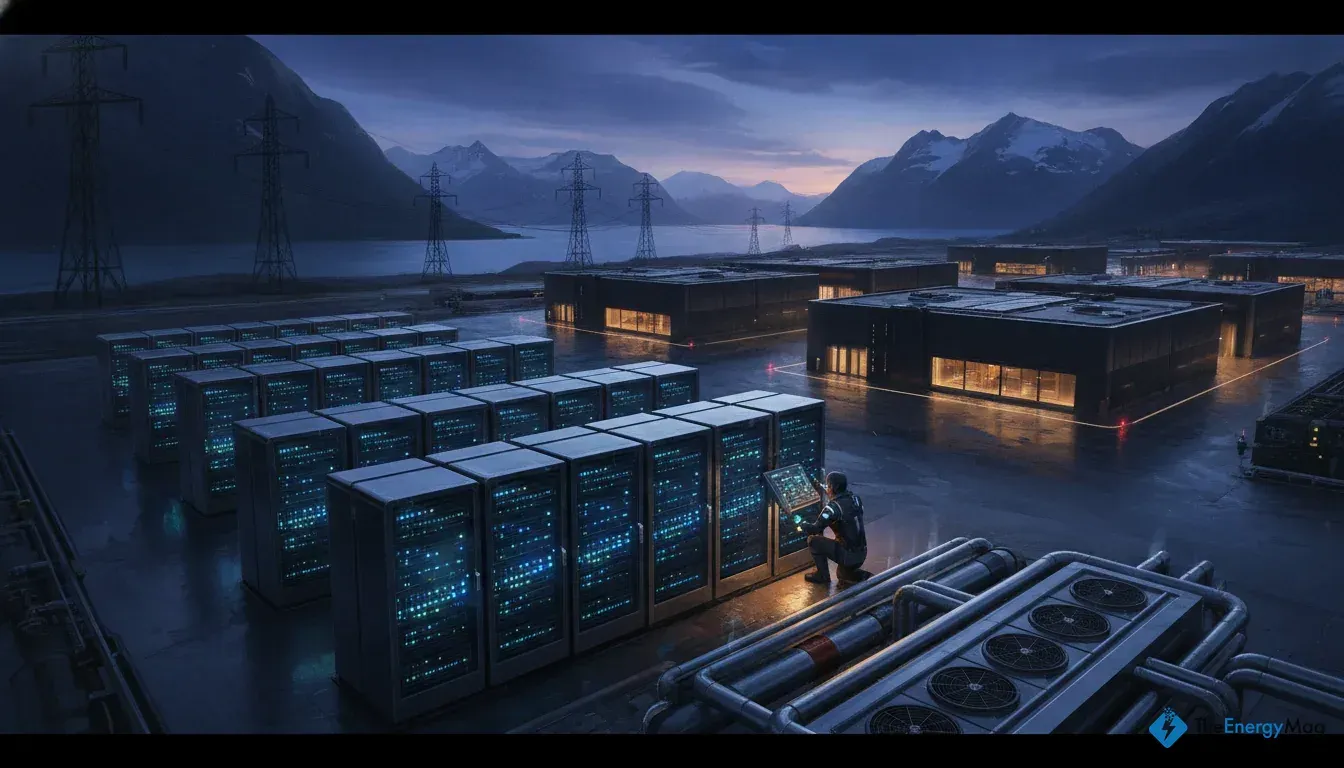
The company’s 234-megawatt Ward County campus is covered by a 126-month triple-net lease with Nscale. Fixed rent payments began Aug. 1. The agreement represents about $1.95 billion of contracted revenue through January 2037, according to Ionic’s registration statement. Under a triple-net structure, the tenant bears expenses including taxes, insurance and maintenance.
Ionic is seeking regulatory approval to expand Ward County to 700 megawatts by the end of 2027. The plan requires approval from the Electric Reliability Council of Texas and completion of two utility projects already under construction. Nscale is obligated to lease another 89 megawatts if the capacity becomes available, though Ionic would face no penalty if the expansion is not approved or completed.
That regulatory condition is a central execution risk. Ionic said it has signed an engineering and construction contract and ordered long-lead-time transformers, but the additional capacity cannot be assumed until ERCOT completes its review.
At four Midland-area sites, Ionic continues to mine bitcoin while evaluating the conversion of 112 megawatts of existing capacity into data centers designed for AI workloads.
The company held $415.7 million of cash and 2,882 bitcoin valued at $168.7 million at June 30, with no outstanding borrowings. Most of the increase in cash followed a $400 million private placement completed in June, before Ionic’s direct listing.
Ionic began trading on Nasdaq under the symbol IOND on July 28. No new shares were sold and the company received no proceeds from the listing. Its shares closed at $67.30 on Aug. 19, up 2.7% before the results were released and about 27% above the $53 reference price set for the direct listing, according to market data.
The company was formed in January 2024 through the acquisition of bitcoin-mining assets from bankrupt crypto lender Celsius Network. Ionic shares were distributed to Celsius creditors under the restructuring, giving the company an unusual shareholder base as it transitions from cryptocurrency mining to AI infrastructure.