Keel Advances 96 MW Quebec AI Data Center With Sherbrooke Approval

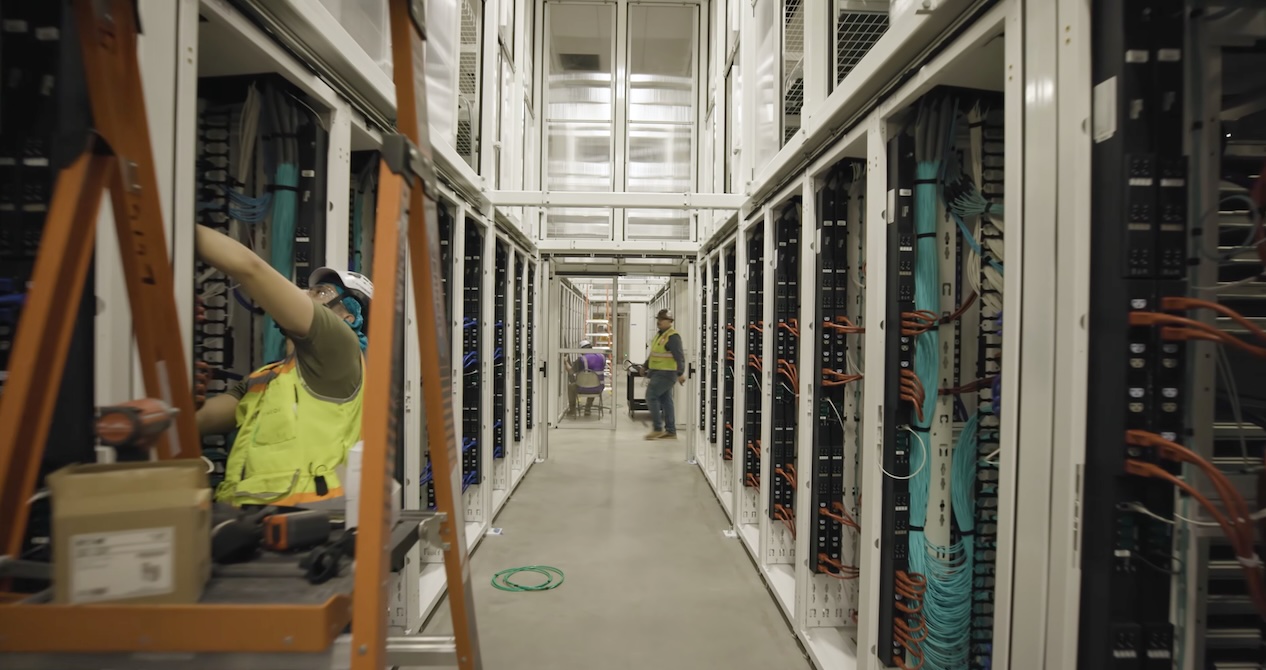
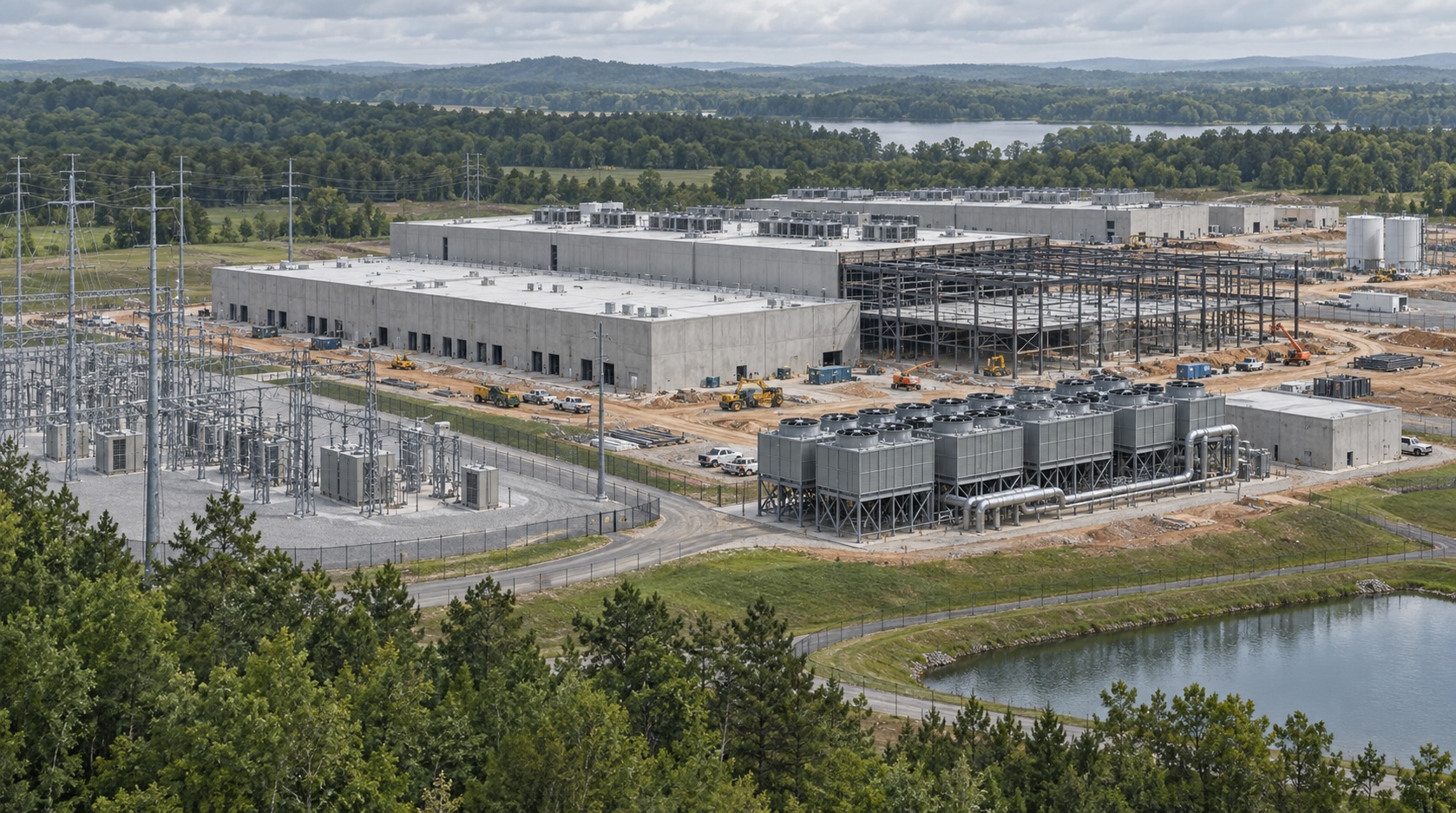
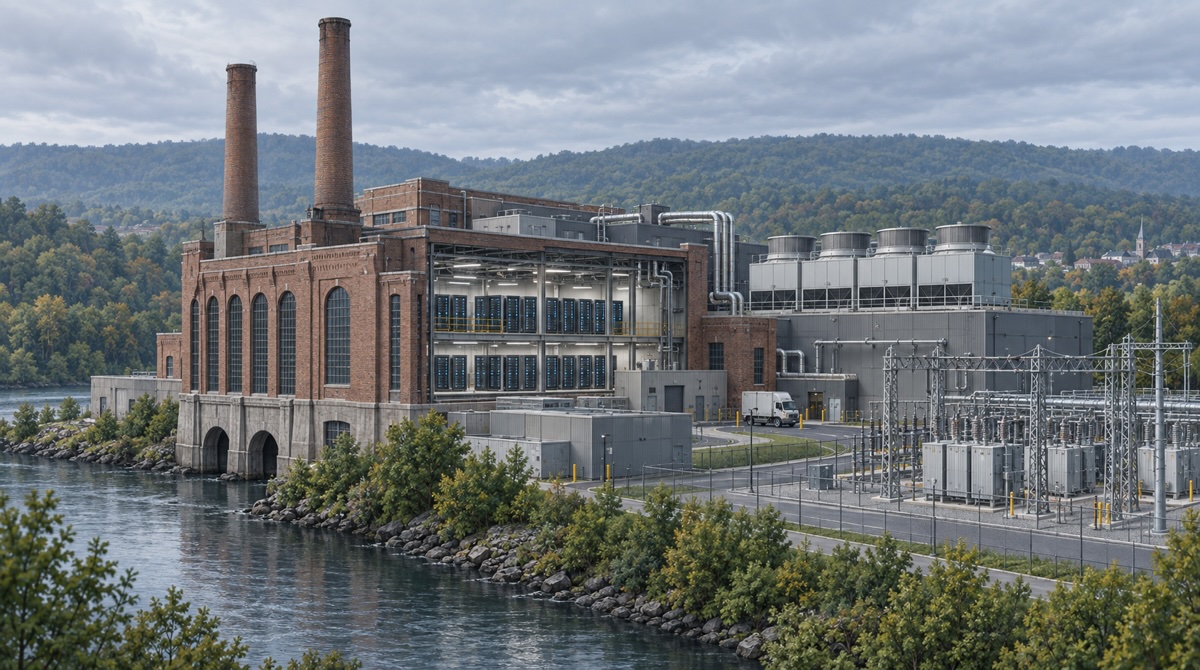
AI-generated image: synthetic visual, not an actual depiction of events, people, or locations.
Key Takeaways
- Keel will merge 96 MW of existing power from three Bitcoin mining sites into a single Sherbrooke campus.
- The facility's purpose will shift from cryptocurrency mining to high-performance computing and AI.
- Final energy transfer is subject to approval by Québec's Ministry of Economy, Innovation and Energy.
- Land acquisition for the project is scheduled for completion in the first quarter of 2027.
Keel Infrastructure (NASDAQ: KEEL) has secured municipal approval to consolidate 96 megawatts of power currently used by three bitcoin mining facilities into a planned high-performance computing and artificial intelligence data center campus in Sherbrooke, Québec.
The City of Sherbrooke approved Keel entering into an agreement with municipal utility Hydro-Sherbrooke to transfer and operate the existing capacity at a new location. The company also received approval to recategorize the power from bitcoin mining to HPC and AI use. The transfer still requires review and approval from Québec’s Ministry of Economy, Innovation and Energy.
Keel said it did not request any additional electricity for the project, potentially making the development easier to accommodate within Québec’s constrained power system. Instead, the company plans to relocate capacity already allocated to its operations and combine it at a single campus.
The company also entered into an agreement to purchase a parcel of land about 100 miles east of Montréal. The acquisition is expected to close in the first quarter of 2027, subject to site inspections, feasibility work, municipal approvals and other customary conditions.
Keel did not disclose the purchase price, expected development cost, construction schedule or whether it has secured a customer for the campus. Those omissions mean the project remains at an early development stage despite the municipal approval.
The 96 MW is currently spread across Keel’s three Sherbrooke bitcoin mining facilities: the 48 MW Bunker site, the 30 MW Leger site and the 18 MW Garlock site. All three properties were leased and operating as bitcoin mining facilities as of late March, according to the company’s annual filing.
Consolidating the sites would allow Keel to preserve its existing power entitlement while replacing purpose-built bitcoin mining infrastructure with a larger campus designed for denser and more valuable computing workloads.
The distinction between transferring existing capacity and requesting new power is significant in Québec, where provincial authorities have become more selective about allocating electricity to large industrial users.
In February, Québec issued a decree directing the provincial energy regulator to treat cryptocurrency mining as having lower strategic and economic value than traditional data centers. Keel said in its annual report that the policy also called for the tariff applied to cryptocurrency mining to be increased to a higher rate.
Recategorizing the Sherbrooke capacity for HPC and AI could therefore improve both the regulatory position and long-term economics of the assets. Final approval from the provincial ministry, however, remains a key condition before the power can be transferred to the new site.
Philippe Fortier, Keel’s executive vice president of corporate development, described the city approvals as “an important step forward” and said the project would be among the larger data center developments in Québec. That description has not been independently verified.
Sherbrooke represents Keel’s largest identified Canadian HPC development opportunity. As of March 27, the company reported 170 MW of energized capacity in Québec, including 96 MW in Sherbrooke, 22 MW in Baie-Comeau and 52 MW across four smaller sites.
The project also advances the transformation of the former Bitfarms business from a bitcoin miner into an AI infrastructure developer.
Bitfarms completed its U.S. redomiciliation and rebranded as Keel Infrastructure on April 1. At the time, the company said it intended to operate as a developer and owner of energy-secured sites and data centers for AI and HPC customers. Keel became the parent company of Bitfarms, with its shares beginning to trade under the KEEL ticker in April.
The Sherbrooke plan is one of the clearest examples of that strategy because it involves moving an entire operating mining portfolio into a single proposed AI data center rather than adding a smaller HPC deployment alongside existing mining operations.
The municipal approvals reduce some of the project’s early development risk, but Keel must still obtain provincial authorization, complete its land acquisition, finalize site studies and secure the capital and customers needed to build the campus.
This article was generated with the support of our AI agent, which has been rigorously trained under the supervision of well-qualified journalists. While we strive for the highest quality in every article, if you find anything amiss, please contact us to let us know.
RELATED NEWS
MORE NEWS
HIVE Wins Approval to Buy 32 MW Sweden Data Center as AI Push Expands
Jun 18, 2026

IREN Completes Acquisition of Spanish AI Data Center Developer Nostrum
Jun 15, 2026

Applied Digital Seeks $1.59 Billion Debt Raise for Fourth Ellendale AI Data Center
Jun 9, 2026

Cipher Digital Seeks $810M Debt Raise to Fund Stingray Data Center
Jun 8, 2026

Galaxy Adds Former Xerox CEO to Board as AI Data Center Push Expands
1d ago

Nscale’s £2 Billion UK AI Data Center Reportedly Faces Grid Delay
2d ago