Nebius Upsizes Convertible Note Sale to $5 Billion for AI Buildout
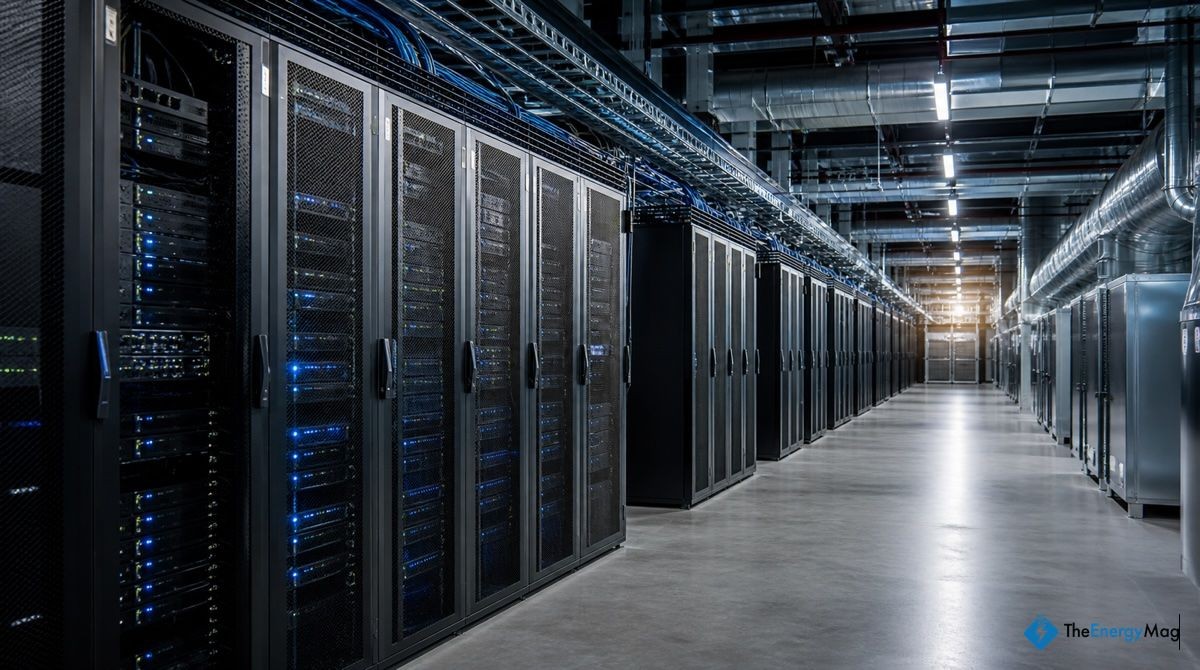
AI-generated image: synthetic visual, not an actual depiction of events, people, or locations.
Nebius (NASDAQ: NBIS) Group upsized a convertible-debt offering to $5 billion and agreed to exchange $800 million of older notes for stock, securing more capital for an AI infrastructure expansion while adding to potential shareholder dilution.
The Amsterdam-based AI cloud provider priced $3 billion of 0.5% convertible senior notes due in February 2030 and $2 billion of 4.5% notes due in February 2034, according to a company statement. The sale was increased from an initially proposed $4.5 billion.
Nebius expects about $4.94 billion in net proceeds after fees. That could rise to roughly $5.68 billion if buyers exercise options for another $450 million of the 2030 notes and $300 million of the 2034 securities. The transaction is scheduled to settle on Aug. 24, subject to customary conditions.
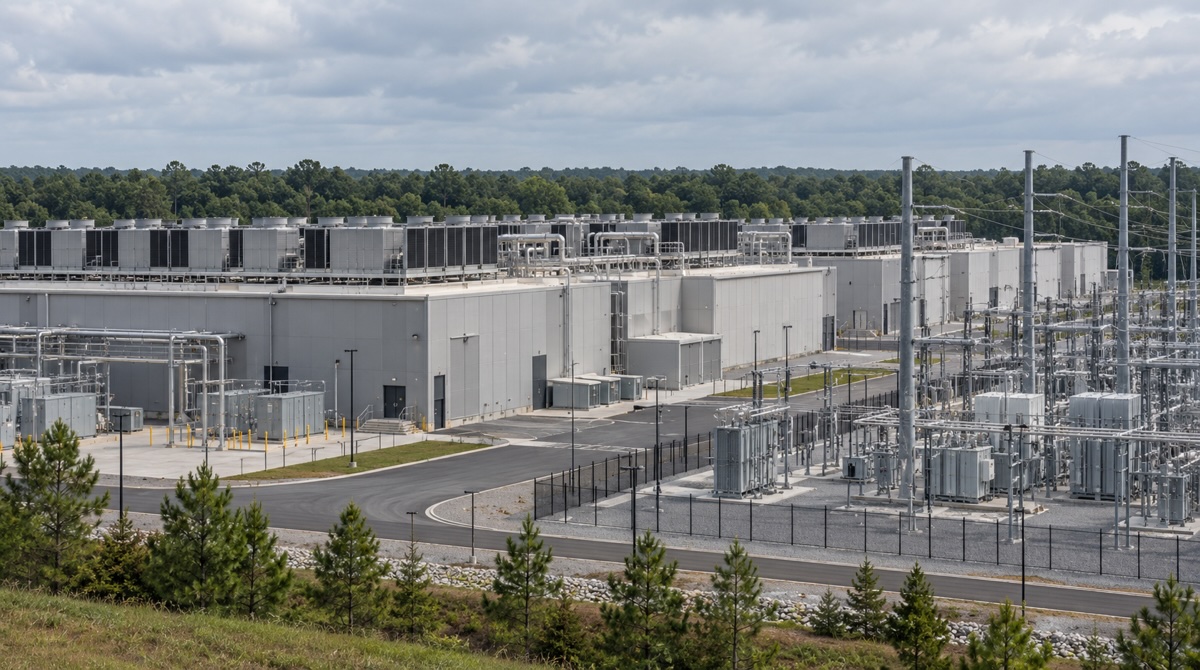
The company said it will use the money to construct and equip data centers, expand its full-stack AI cloud platform and procure graphics processing units and other components. The financing underscores the amount of upfront capital required by newer cloud providers seeking to compete for AI training and inference workloads.

The initial conversion price is about $313.46 a share for the 2030 notes and $324.65 for the 2034 securities. Those levels represent premiums of 40% and 45%, respectively, to Nebius’s last reported Nasdaq price of $223.90 on Aug. 19.
The principal owed will increase over time. The amount payable on the 2030 notes is scheduled to reach 110% of original principal at maturity, while the 2034 notes will accrete to 125%. Including that accretion, the effective conversion prices at maturity rise to approximately $344.81 and $405.82, equivalent to premiums of 54% and 81.3% to the reference share price.
At the initial conversion rates, the new securities represent about 15.7 million underlying shares, although Nebius can settle conversions in cash, stock or a combination of the two, subject to certain Dutch tax conditions.
Nebius separately agreed to exchange $400 million of its 2% convertible notes due in 2029 and $400 million of its 3% notes due in 2031 for about 15.8 million Class A shares. That issuance is equivalent to roughly 5.8% of the company’s 271.9 million shares outstanding on June 30.
The older securities were part of a $1 billion private placement completed in 2025 with an initial conversion price of about $51.45. Exchanging most of those deeply in-the-money notes removes the associated debt but brings forward the equity issuance. Nebius cautioned that participating holders may sell the shares or adjust related hedges, activity that could weigh on the stock.
Nebius shares declined after the original $4.5 billion proposal was announced on Wednesday. The stock was down 8.4% at $227.58 during the session, before the company priced the larger transaction.
The fundraising follows a rapid acceleration in both revenue and spending. Second-quarter revenue rose 454% from a year earlier to $582.3 million, while capital expenditures reached about $5.7 billion, largely for GPUs, related hardware and data-center expansion.
Nebius ended June with about $8 billion in cash after generating $2.25 billion of operating cash flow during the quarter. It expects more than $9 billion of customer prepayments in 2026 and said it has more than $40 billion in customer commitments, according to its second-quarter shareholder letter.
Even with those sources of funding, the gap between current revenue and infrastructure spending leaves Nebius reliant on debt, customer advances and equity-linked financing as it adds computing capacity.
The latest sale follows an upsized convertible offering in March that generated approximately $4.3 billion in gross proceeds. Nebius has also used an at-the-market stock program, selling 12.7 million shares for about $2.8 billion through June.
Nebius emerged from the 2024 restructuring of Yandex and is headquartered in Amsterdam. Its main business rents GPU-based computing capacity and provides software for companies developing and deploying artificial-intelligence models. The group also includes autonomous-driving developer Avride and education platform TripleTen and holds stakes in ClickHouse and Toloka.