NVIDIA Discloses $105 Billion Liability Cap for 4.25 GW Ohio Data Center Project

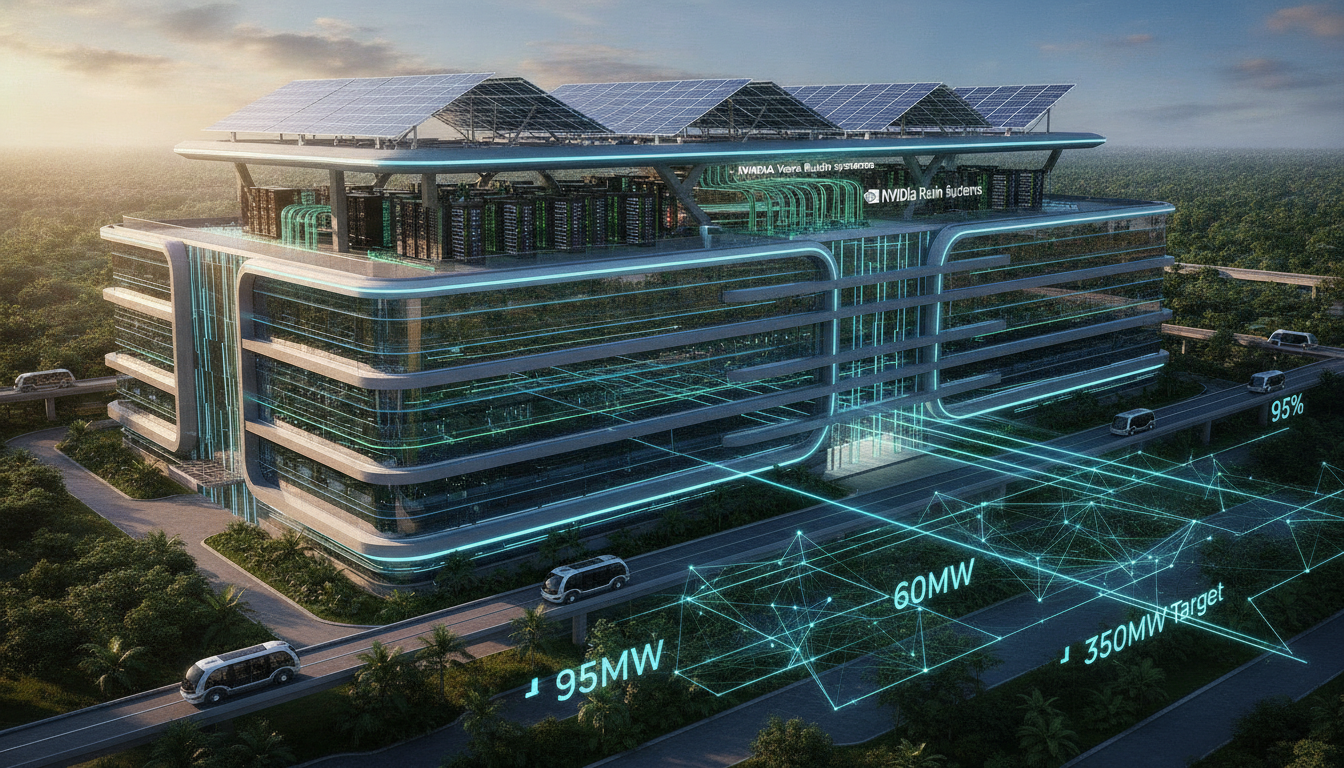
AI-generated image: synthetic visual, not an actual depiction of events, people, or locations.
Key Takeaways
- NVIDIA entered a residual value guaranty for a 4.25 GW data center project in Piketon, Ohio.
- The agreement establishes a $105 billion aggregate liability cap for NVIDIA across related project guaranties.
- The project includes commitments for transmission network upgrades and power purchase agreements.
- The guaranty covers data center, power, and transmission-related infrastructure costs.
- Management confirmed the effectiveness of disclosure controls and procedures as of July 26, 2026.
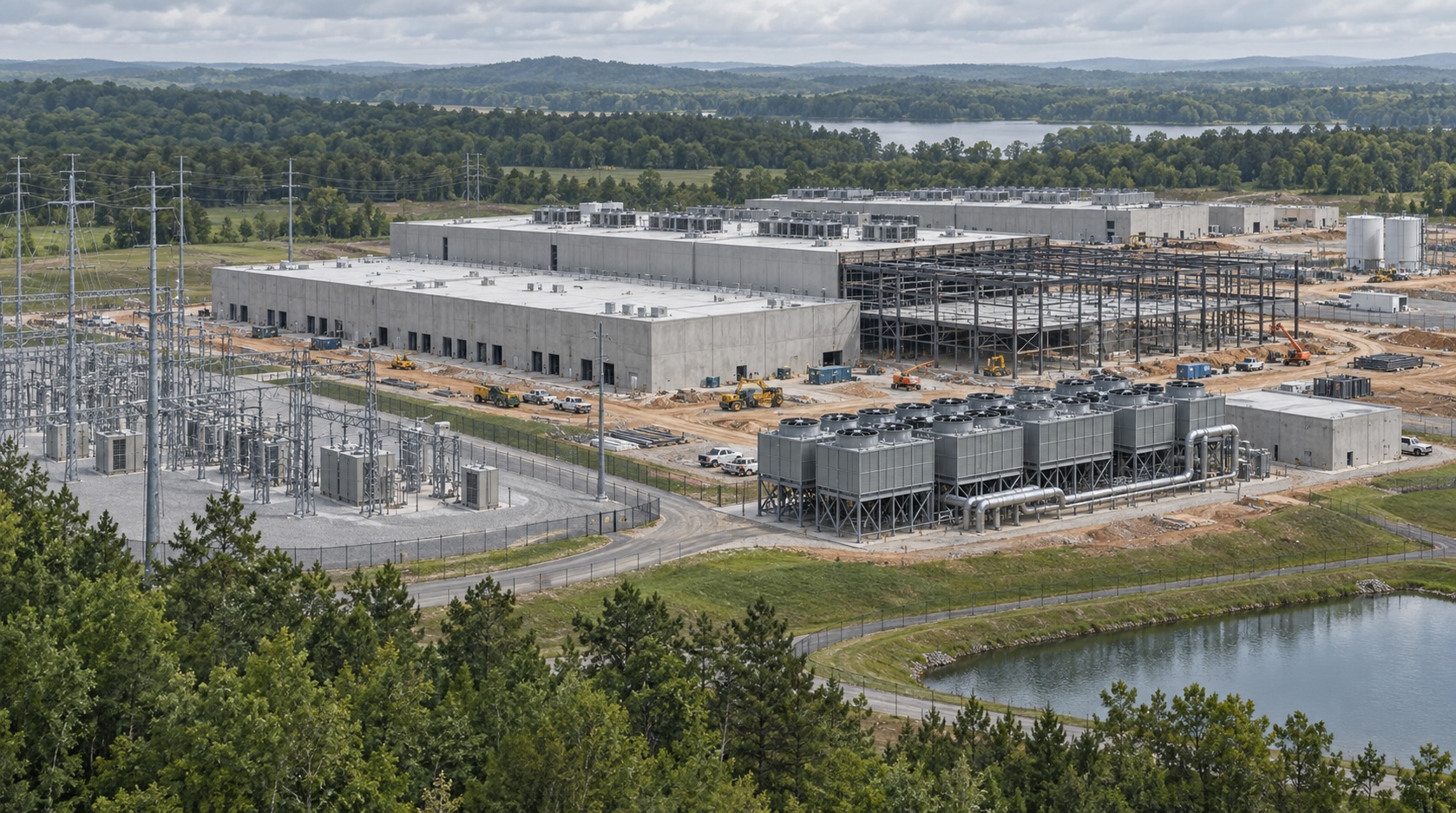
NVIDIA Corporation disclosed in its Form 10-Q for the period ended July 26, 2026, that it has executed a residual value guaranty agreement related to a large-scale infrastructure project in Piketon, Ohio. The project involves the development of data center facilities with an aggregate capacity of 4.25 GW of critical IT load across the primary premises and related sites.
The guaranty, identified as Exhibit 10.1 in the filing, covers costs associated with data center construction, power procurement, and transmission infrastructure. Under the terms of the agreement, NVIDIA serves as the guarantor for a tenant whose identity was redacted in the public filing. The agreement is linked to a lease, a power purchase agreement (PPA), and a transmission agreement required for power delivery to the site.
Financial terms specify that NVIDIA's aggregate liability for this guaranty and all related guaranties shall not exceed $105 billion. The Guaranteed Minimum Value (GMV) for the project is comprised of data center, power, and transmission-related costs. The agreement includes provisions for a 'Covered Loss Amount' and establishes a discount rate for calculations related to the landlord's equity and internal rate of return.
The infrastructure project requires significant transmission network upgrades. A 'Power Affiliate' involved in the project will enter into a commitment with a grid operator, referred to as 'GridCo,' to ensure the completion of these upgrades. These enhancements are necessary to facilitate the retail electricity supply and related products defined in the project's power purchase agreements.