Nvidia to Lease Data Center Funded by $3.8 Billion of Junk Bonds


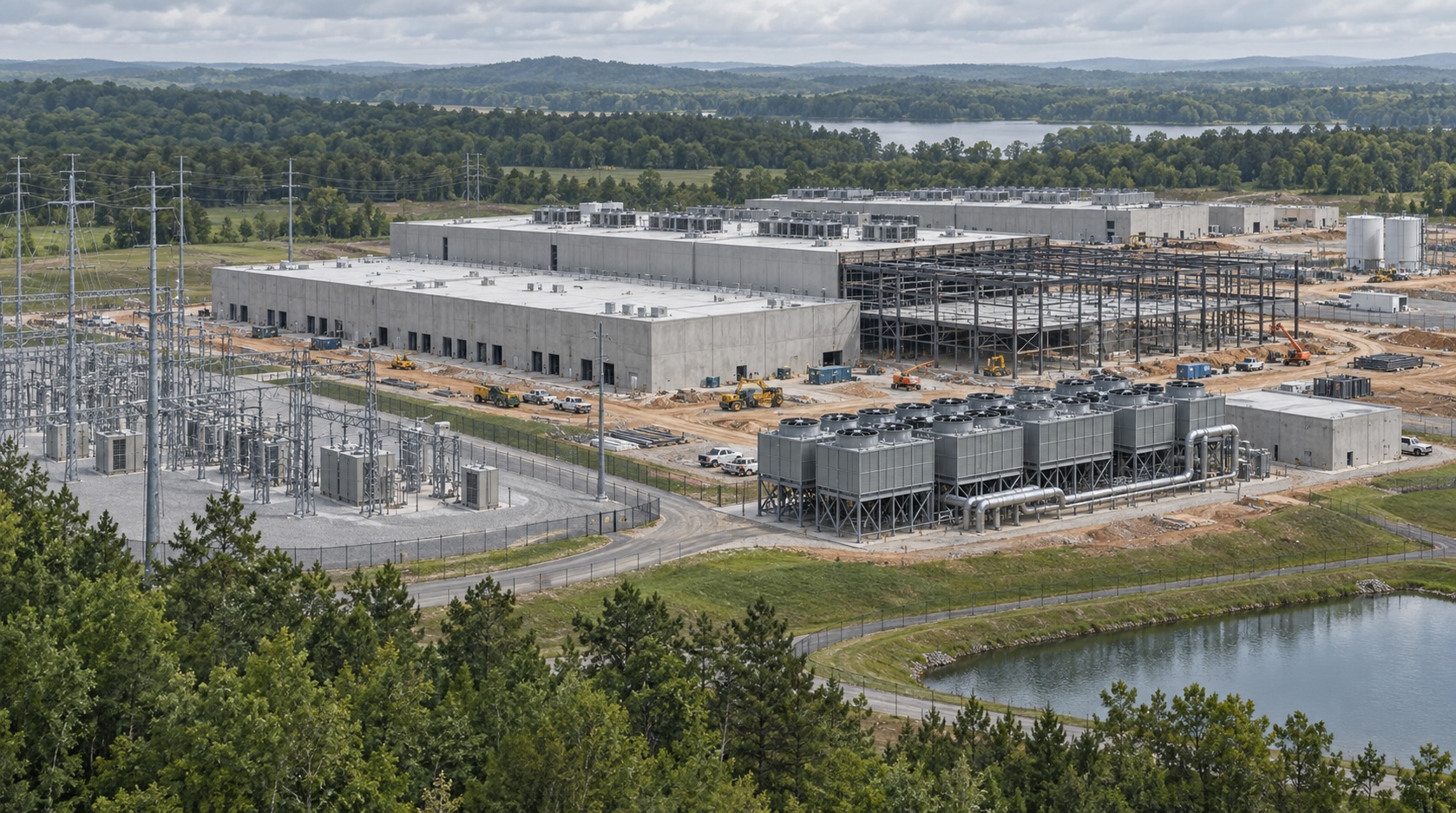
AI-generated image: synthetic visual, not an actual depiction of events, people, or locations.
Nvidia has announced plans to lease a data center that will be financed through $3.8 billion in junk bonds, a move that underscores the company's aggressive expansion strategy in the data center market amidst increasing demand for AI and high-performance
Nvidia's recent announcement regarding the leasing of a data center, funded by $3.8 billion in junk bonds, marks a significant development in the company's strategy to bolster its infrastructure capabilities. This decision comes at a time when the demand for data processing power, particularly for artificial intelligence (AI) and high-performance computing (HPC), is surging. The financing through junk bonds indicates Nvidia's commitment to rapidly scaling its operations, despite the potential risks associated with such high-yield debt.
The significance of this move lies in the broader context of the tech industry's race to enhance data center capabilities. As AI applications become more prevalent, companies are increasingly investing in infrastructure that can support the massive computational requirements of these technologies. Nvidia, being a leader in GPU technology, is positioning itself to capture a larger share of this growing market by ensuring it has the necessary facilities to support its clients' needs.
Leasing a data center rather than building one from the ground up allows Nvidia to expedite its entry into the market, providing immediate access to the necessary resources without the lengthy timelines associated with construction. This strategy not only enhances Nvidia's operational flexibility but also mitigates some of the financial risks typically associated with large capital expenditures. However, the reliance on junk bonds for financing raises questions about the long-term sustainability of this approach, particularly if market conditions shift.
The implications of Nvidia's decision extend beyond its own operations. The use of junk bonds to finance such a significant investment could influence market perceptions of risk in the tech sector. If Nvidia's strategy proves successful, it may encourage other companies to pursue similar financing methods, potentially leading to a wave of high-yield debt issuance in the tech industry. Conversely, if Nvidia faces challenges in leveraging this new data center effectively, it could deter investors from supporting similar ventures.

Furthermore, this development is likely to impact Nvidia's competitors in the AI and HPC space. As Nvidia enhances its data center capabilities, other companies may feel pressured to accelerate their own infrastructure investments to keep pace. This could lead to increased competition for resources, talent, and market share, ultimately driving innovation and potentially lowering costs for consumers in the long run.
In terms of regulatory implications, the issuance of junk bonds may attract scrutiny from financial regulators, particularly if there are concerns about the overall health of the tech sector and the sustainability of high-yield debt. Nvidia's ability to manage its debt levels effectively will be critical in maintaining investor confidence and ensuring compliance with any regulatory requirements that may arise as a result of this financing strategy.
Looking ahead, stakeholders should monitor Nvidia's execution of this leasing strategy closely. Key indicators to watch will include the performance of the data center in terms of operational efficiency and profitability, as well as Nvidia's ability to attract and retain clients in an increasingly competitive landscape. Additionally, the broader market response to Nvidia's financing approach will provide insights into investor sentiment regarding the use of junk bonds in the tech sector.
Overall, Nvidia's decision to lease a data center funded by junk bonds is a bold move that reflects the company's aggressive growth strategy in the face of rising demand for AI and HPC capabilities. While this approach carries inherent risks, it also positions Nvidia to capitalize on emerging opportunities in the tech landscape, making it a critical player to watch in the coming years.
Quality Disclosure:This article was generated with the support of our AI agent, which has been rigorously trained under the supervision of well-qualified journalists. While we strive for the highest quality in every article, if you find anything amiss, please contact us to let us know.
RELATED MARKET INTELLIGENCE NEWS
MORE NEWS
Canton Town Blocks Crypto Mining and Data Centers
6 min ago

Bitcoin Miner Cango Secures $75.5 Million for Strategic AI Expansion, Signaling Industry Diversification
14h ago
Cango's $305 Million Bitcoin Sale Signals Shift to AI Focus
3d ago
Bitcoin Miners IREN and CleanSpark Slide After Earnings Misses Deepen Sector Pressure
6d ago
HIVE Digital Technologies Achieves 290% Year-Over-Year Hashrate Growth
Feb 5, 2026
Tether Launches MiningOS: A New Era for Bitcoin Miners
Feb 3, 2026