Tether Launches MiningOS: A New Era for Bitcoin Miners
Key Takeaways
- Tether has launched MiningOS, an open-source operating system for Bitcoin mining.
- MiningOS aims to reduce reliance on proprietary software and promote transparency in mining operations.
- The modular design allows for customization, potentially lowering operational costs for miners.
- The launch could disrupt the competitive dynamics of the Bitcoin mining market.
- Regulatory implications may arise as the industry shifts towards more open-source solutions.
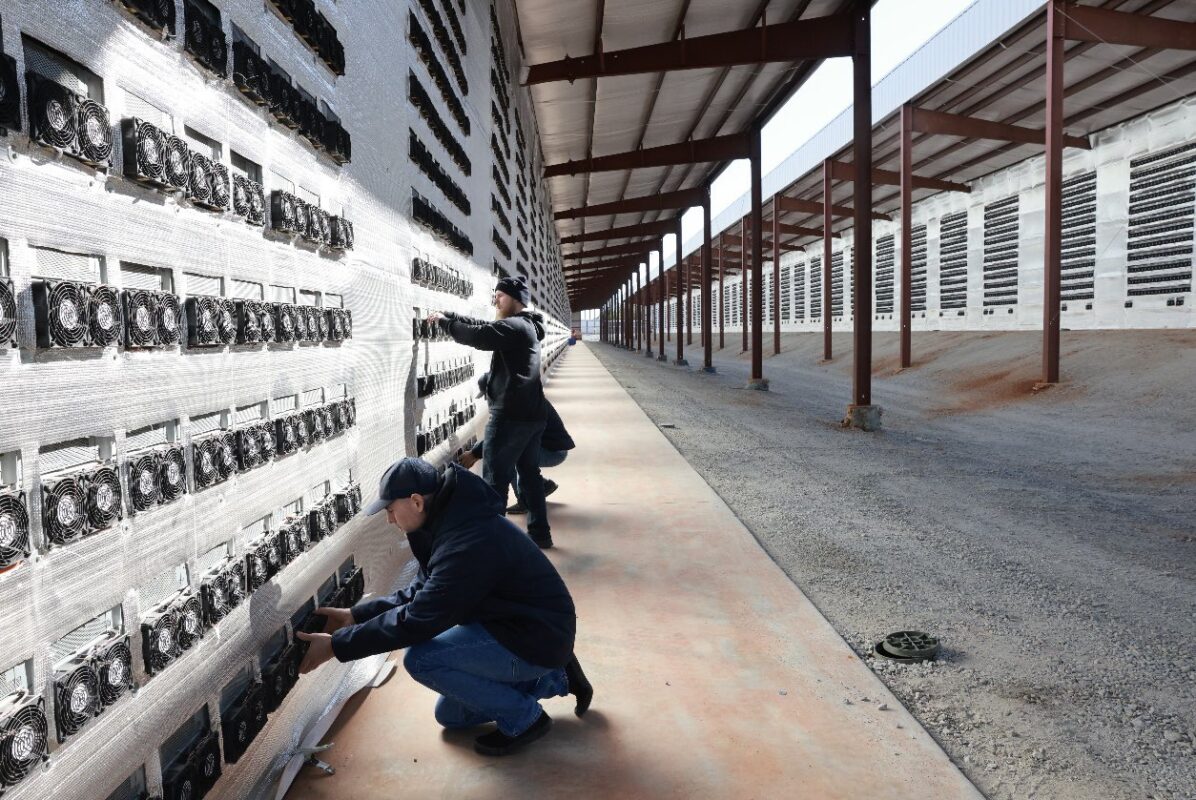
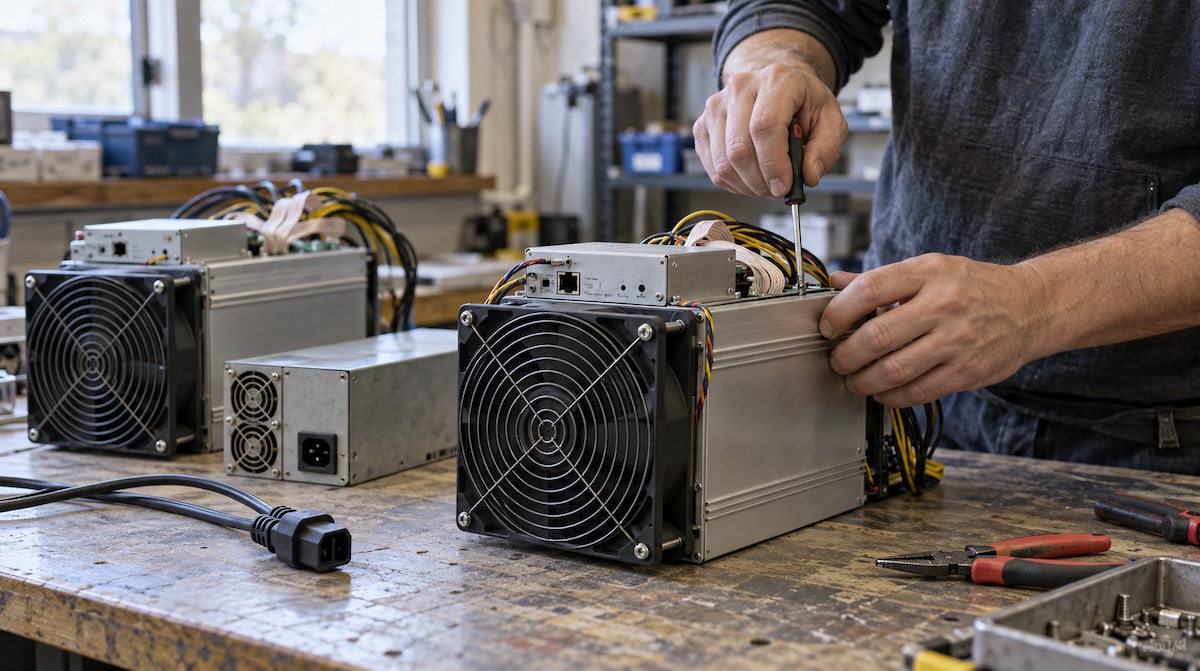
Tether has officially launched MiningOS, a modular and self-hosted operating system aimed at simplifying the management of Bitcoin mining operations. This new software stack is designed to cater to a wide range of users, from hobbyist miners operating small rigs to large institutions managing extensive mining operations across multiple sites.
MiningOS is built on Holepunch peer-to-peer protocols and is released under the Apache 2.0 license, ensuring that it remains free from third-party dependencies. This architecture allows miners to manage their operations without relying on centralized services, which is a significant shift from traditional mining software that often locks users into proprietary systems.
The introduction of MiningOS is significant for several reasons. Firstly, it promotes transparency and collaboration within the Bitcoin mining community, which has often been criticized for its reliance on closed-source software that can obscure operational practices and costs. By providing an open-source alternative, Tether is encouraging miners to share knowledge and improve operational efficiencies collectively.
Moreover, the modular nature of MiningOS allows for customization based on the specific needs of different mining operations. This flexibility can lead to more efficient resource allocation and potentially lower operational costs, making it easier for new entrants to compete in the market without the burden of expensive proprietary software.
The launch of MiningOS could disrupt the current competitive landscape in Bitcoin mining. As more miners adopt open-source solutions, the reliance on established vendors for mining software may diminish. This shift could lead to increased competition among miners, as operational costs decrease and new players enter the market with lower barriers to entry.
Additionally, Tether's move aligns it with other firms advocating for open-source mining tools, such as Jack Dorsey’s Block. This alignment may foster a broader ecosystem of open-source solutions, further enhancing the competitive dynamics within the industry and potentially leading to innovations that benefit miners and the Bitcoin network as a whole.
The regulatory landscape surrounding cryptocurrency and Bitcoin mining is continually evolving. By promoting an open-source operating system, Tether may be positioning itself favorably in the eyes of regulators who are increasingly scrutinizing the practices of mining operations. Transparency and decentralization are often viewed positively in regulatory discussions, which could mitigate some of the risks associated with regulatory compliance.
However, the decentralized nature of MiningOS also raises questions about accountability and governance. As miners adopt this new system, regulators may need to consider how to enforce compliance and ensure that all operators adhere to legal standards, particularly in regions with strict mining regulations.
Looking ahead, it will be crucial to monitor the adoption rate of MiningOS among miners. The success of this platform will depend on how effectively it meets the needs of various mining operations and whether it can attract a significant user base. Additionally, the response from existing proprietary software vendors will be telling; they may need to adapt their offerings to remain competitive in light of this new open-source alternative.
Furthermore, the development of additional features and enhancements to MiningOS will be important to watch. As the platform evolves, it may introduce new functionalities that could further differentiate it from existing solutions, potentially reshaping the Bitcoin mining landscape in the process.
This article was generated with the support of our AI agent, which has been rigorously trained under the supervision of well-qualified journalists. While we strive for the highest quality in every article, if you find anything amiss, please contact us to let us know.