Pennsylvania Enacts Strict Data Center Mandates: Curtailment Priority, Ring-Fenced Grid Costs, and an End to Secret Deals

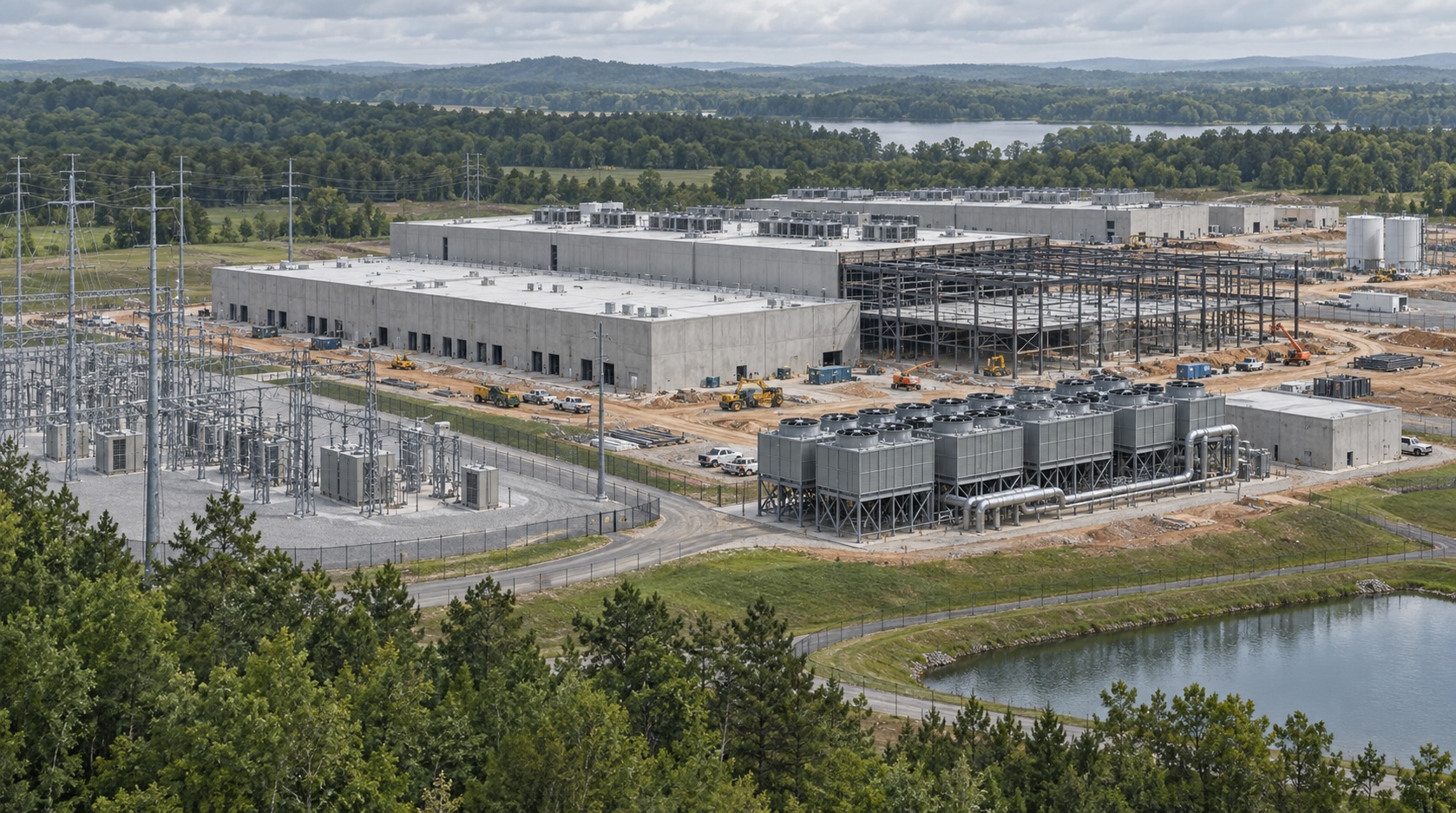
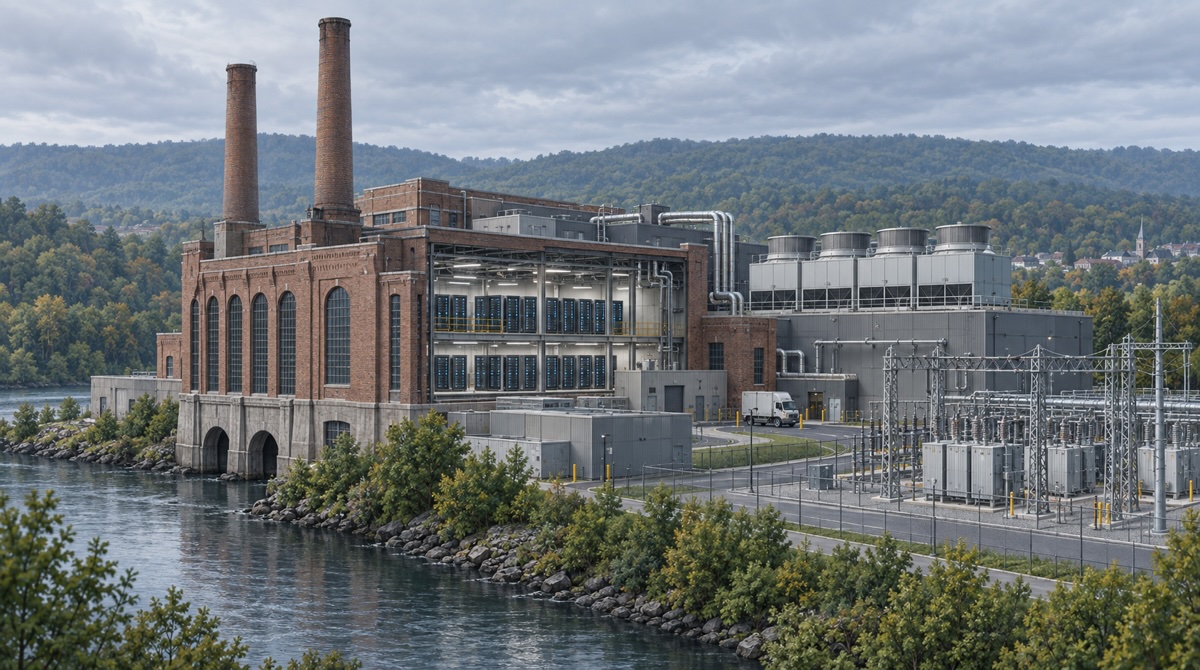
AI-generated image: synthetic visual, not an actual depiction of events, people, or locations.
Pennsylvania Governor Josh Shapiro has signed Executive Order 2026-05, establishing comprehensive regulatory guardrails on large-scale data center development across the Commonwealth.
The executive order shifts voluntary hyperscaler commitments into state-enforced compliance. It directly addresses mounting grid reliability risks and multibillion-dollar electricity capacity cost shifts driven by data center interconnection queues in the PJM Interconnection territory.
Macro Grid Pressures and Ratepayer Cost-Shifting
The administration's directive cites data from the PJM Independent Market Monitor, which revealed that data center demand was responsible for $29.4 billion in capacity charges to ratepayers, or 46% of total auction costs, across PJM's last four base residual capacity auctions. With PJM projecting 74 gigawatts (GW) of summer peak load growth through 2045, Pennsylvania is taking aggressive measures to prevent speculative electrical interconnection queues from inflating retail consumer power bills.

While reports have indicated more than 100 data center proposals across the state, the Department of Environmental Protection (DEP) has received formal permit applications for only 20 facilities. Additionally, only 14 operating or in-development projects hold active tax exemptions under the state's Computer Data Center Equipment Program.
The order explicitly notes that voluntary initiatives, such as the "Ratepayer Protection Pledge" signed by major artificial intelligence developers to build or buy new generation, remain legally non-binding, necessitating codified state intervention.
Core Regulatory Guardrails: The GRID Framework
Executive Order 2026-05 codifies the Governor’s Responsible Infrastructure Development (GRID) standards, focusing on four primary areas: energy affordability, community transparency, workforce development, and environmental protection.
Key structural provisions of the order include:
Two-Tier Permitting for Facilities Over 25 MW: Developers seeking DEP permits for data centers with peak demand exceeding 25 MW must enter into a formal, project-specific Consent Order and Agreement (COA) binding them to the GRID requirements. Applicants who refuse the COA will have their state reviews halted until all local municipal zoning and water withdrawal approvals are secured, and they will be barred from rolling permit issuances.
Removal from Fast-Track Permitting: Data center projects are permanently disqualified and stripped from Pennsylvania’s PA Permit Fast Track Program.
Conditional Tax Exemptions: The Department of Revenue must update the Computer Data Center Equipment Program to ensure that sales and use tax exemptions are strictly contingent upon compliance with the GRID framework.
Ban on Non-Disclosure Agreements: State agencies under executive jurisdiction are prohibited from executing NDAs with data center developers, ending closed-door utility and infrastructure negotiations.
Mandatory Resource Reporting: Beginning July 1, 2027, all operating data centers must submit annual reports detailing monthly energy consumption, natural gas use, hourly peak load in megawatt-hours, water source and withdrawal volumes, waste-heat capture efforts, and on-site generation metrics.
Power Market Interventions and Curtailment Directives
The executive order instructs the Governor’s Special Counsel for Energy Affordability to petition the Pennsylvania Public Utility Commission (PUC) for sweeping revisions to utility tariffs and interconnection rules:
First-to-Curtail Mandate: Electric utilities must revise their pre-emergency Interim Resource Adequacy Service (IRAS) and emergency load control protocols to curtail data centers prior to any other customer class, unless the data center has procured incremental capacity covering 100% of its electricity demand.
Prohibition of "Critical Load" Classification: Utilities are barred from classifying data centers as critical load to exempt them from emergency grid curtailments.
Cost Ring-Fencing: Data center operators must pay 100% of the interconnection costs incurred by utilities and bear direct financial responsibility for any PJM reliability backstop auction costs under pending Federal Energy Regulatory Commission (FERC) dockets. Utilities are explicitly prohibited from passing unpaid backstop auction charges to general ratepayers in the event of a data center developer's insolvency.
Backup Generation Emissions Overhaul: The DEP is directed to re-examine air quality regulations regarding diesel backup generators, accounting for cumulative emissions footprints and scenarios where generators are deployed as active grid resources.
Industry and Utility Implications
Pennsylvania’s aggressive regulatory pivot will reverberate across independent power producers, utilities, and hyperscalers operating within the PJM footprint:
Co-Located and Nuclear Hyperscale Deals: The mandate heavily impacts behind-the-meter and co-located configurations, including Amazon Web Services' (AWS) planned multi-hundred-megawatt deployment at Talen Energy’s Susquehanna nuclear station, as well as potential restart initiatives like Constellation Energy (NASDAQ: CEG)'s Crane Clean Energy Center (Three Mile Island Unit 1). Developers must now demonstrate complete additionality and ring-fenced local cost allocation to pass state scrutiny.
Transmission and Electric Utilities: Regulated utilities, including PPL Electric Utilities, PECO Energy, and FirstEnergy subsidiaries (Met-Ed, Penelec), will face stringent PUC oversight regarding large-load interconnection filings and must participate in PJM's large load registry without socializing system upgrade costs.
Brownfield and Reconductoring Prioritization: To offset transmission congestion, the order instructs DEP to establish expedited pathways for clean generation, battery storage on brownfield sites, and advanced transmission technologies, such as advanced reconductoring on existing rights-of-way.