Constellation Secures 1,000 MW of New Emissions-Free Power Generation
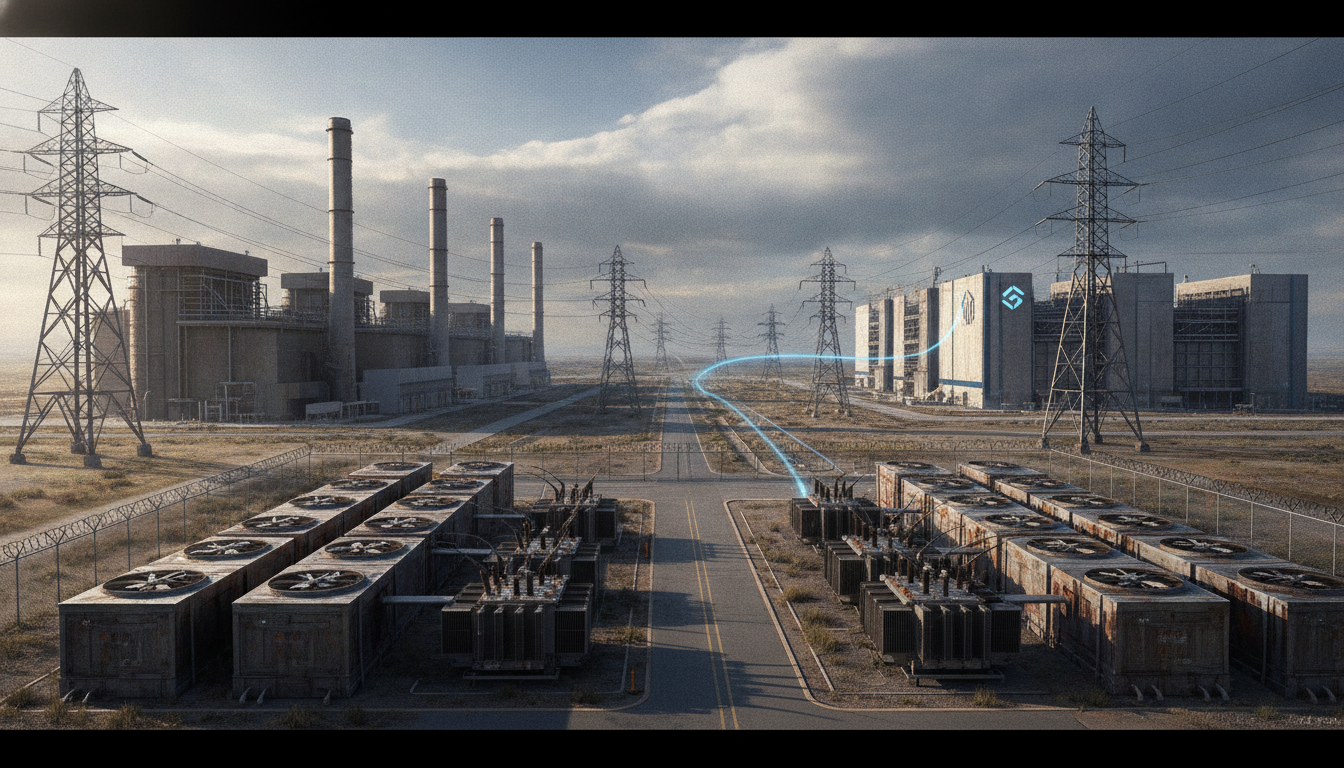
AI-generated image: synthetic visual, not an actual depiction of events, people, or locations.
Key Takeaways
- Constellation Energy reported third quarter 2026 financial results on November 9, 2026.
- The company announced agreements to add over 1,000 MW of new emissions-free generation to the grid.
- The new capacity is intended to meet growing economic demand while protecting existing clean power operations.
- The announcement follows a trend of securing firm, carbon-free capacity for industrial and high-tech consumers.
Baltimore-based Constellation Energy Corporation (Nasdaq: CEG) reported its financial results for the third quarter of 2026 on November 9, 2026. The company disclosed that during the period, it finalized agreements that will contribute more than 1,000 megawatts (MW) of new, emissions-free generation capacity to the electrical grid. These agreements are part of the company's stated effort to address increasing power demand from a growing economy while maintaining service for existing customers.
The company said the new capacity is intended to support the continued operation of existing clean power facilities. Constellation, which operates the largest fleet of nuclear plants in the United States, indicated that these long-term agreements are designed to provide carbon-free energy for future generations. The announcement follows a broader trend in the energy sector where large-scale power producers are seeking to secure firm, emissions-free capacity to meet the needs of industrial and high-technology consumers.
The financial report comes amid a period of increased scrutiny on energy infrastructure and its ability to support emerging technologies. Market analysts have noted that energy sector stocks have faced volatility as investors evaluate the capital expenditures and financing costs associated with high-performance computing and data center power requirements. Constellation's focus on emissions-free generation aligns with recent market activity from peers such as Vistra (NYSE: VST), which also recently reported quarterly results.
The company did not provide a specific breakdown of the individual projects or the exact locations of the 1,000 MW of new generation in the initial earnings release. Moving forward, market participants will likely monitor the company's progress in integrating this new capacity and any further disclosures regarding the specific counterparties involved in these generation agreements.