The Dual Role of Bitcoin Mining in Energy Transition and Market Dynamics
Key Takeaways
- Bitcoin mining is increasingly using renewable energy, aiding global energy transition.
- Regions with clean energy surpluses, like Brazil, are attracting cryptocurrency miners.
- Market dynamics are driving miners to optimize energy use, impacting electricity costs and infrastructure.
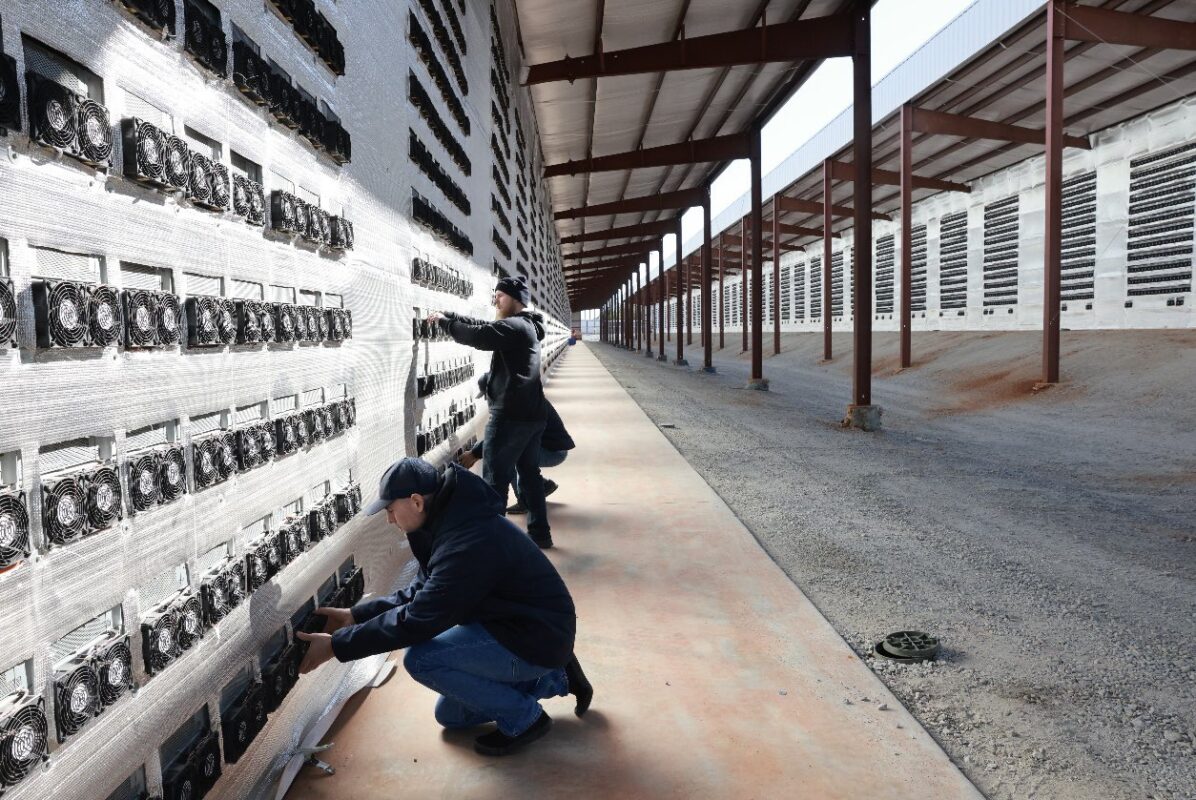
Bitcoin mining has long been scrutinized for its substantial energy consumption. However, recent developments indicate a shift towards a more symbiotic relationship with clean energy sources. In Europe, for instance, Bitcoin mining operations are increasingly utilizing renewable energy, aiding the continent's energy transition efforts. This trend is not limited to Europe; Brazil is witnessing a similar phenomenon where a surplus of clean energy is attracting cryptocurrency miners. This not only helps in balancing the energy grid but also provides a financial incentive for further investment in renewable energy infrastructure.
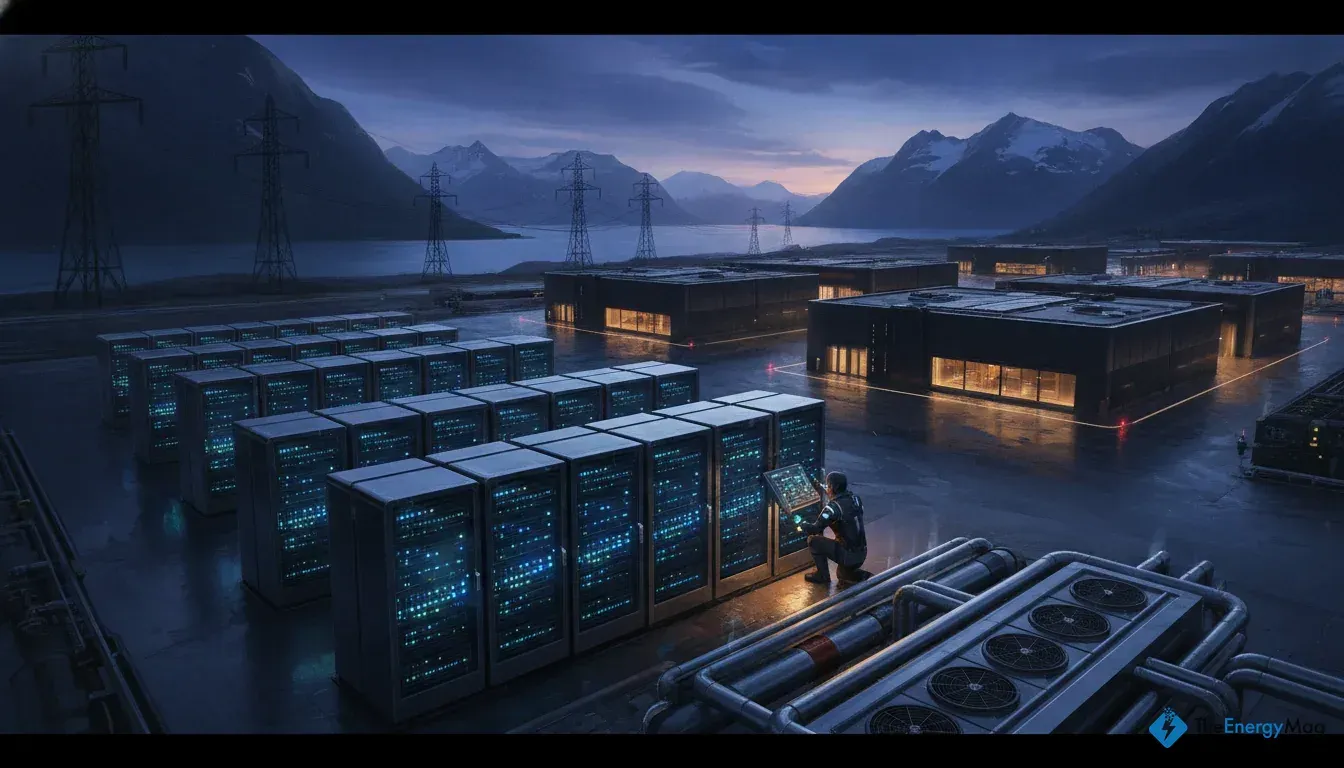
The integration of Bitcoin mining into the energy sector is also influencing market dynamics. As energy prices fluctuate, miners are compelled to optimize their operations, often leading to more efficient energy use. This is particularly evident in regions with abundant clean energy, where miners can capitalize on lower costs. Additionally, the rise of data centers and AI applications, as seen with companies like Hut 8 (NASDAQ: HUT) transitioning from Bitcoin mining to AI, is pushing electricity costs and infrastructure demands. This shift underscores the need for intelligent mining practices that can scale efficiently while minimizing environmental impact.

This article was generated with the support of our AI agent, which has been rigorously trained under the supervision of well-qualified journalists. While we strive for the highest quality in every article, if you find anything amiss, please contact us to let us know.